
Autonomous Swarm Drone Ecosystems and the Evolution of Intelligent Global Logistics
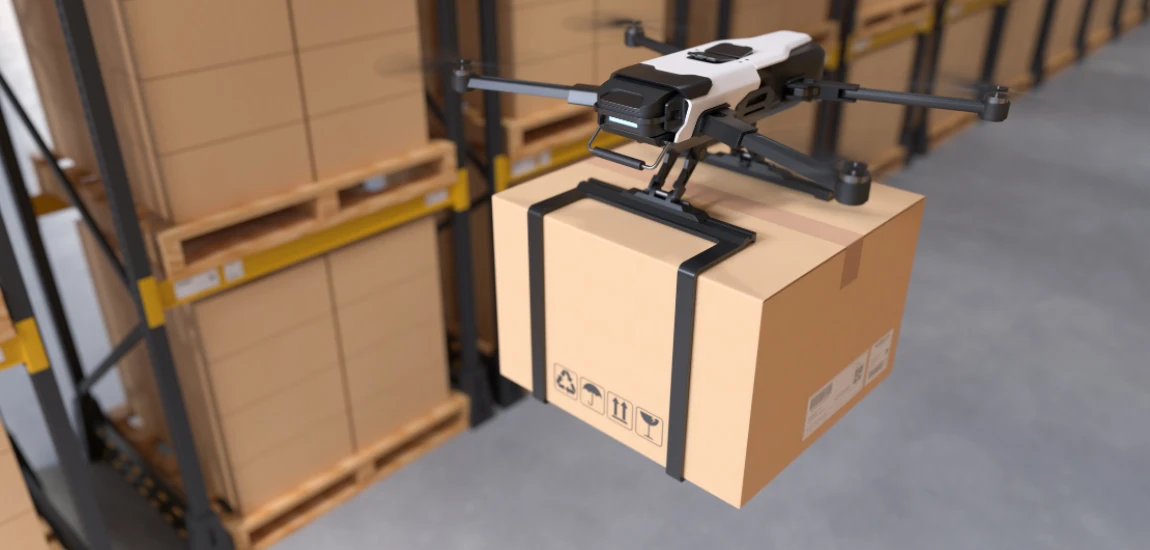
The global logistics industry is experiencing one of the most significant technological transformations in history. Rapid growth in e-commerce, increasing customer expectations for same-day deliveries, and the need for more resilient supply chains have encouraged businesses to explore smarter transportation solutions. Among the most promising innovations are Autonomous Swarm Drone Ecosystems, where multiple artificial intelligence-powered drones collaborate to perform complex logistics operations with minimal human intervention.
Unlike traditional delivery drones that operate independently, swarm drones communicate continuously with one another, sharing information about weather conditions, obstacles, delivery priorities, battery levels, and traffic patterns. Inspired by the collective intelligence observed in bee colonies, ant colonies, and bird flocks, these drone ecosystems make decentralized decisions that improve efficiency, reliability, and scalability.
Powered by artificial intelligence, edge computing, cloud platforms, advanced sensors, and next-generation communication networks, autonomous swarm drones can dynamically adapt to changing environments while optimizing delivery routes in real time. As industries continue embracing automation, these intelligent drone networks are expected to redefine transportation, warehouse management, disaster response, healthcare logistics, and international supply chains over the coming decades.
Understanding Autonomous Swarm Drone Ecosystems

Inspired by Nature's Collective Intelligence
Autonomous swarm drone ecosystems are designed around the concept of swarm intelligence, where numerous independent drones work together as a coordinated unit rather than relying on a single central controller. Nature has demonstrated the effectiveness of collective behavior for millions of years through bees building hives, ants finding the shortest food routes, and birds flying in synchronized formations.
Engineers have adapted these biological principles to create drone networks capable of making intelligent decisions through constant communication and collaboration. Instead of waiting for commands from a centralized control system, each drone evaluates its surroundings while exchanging information with nearby drones. This decentralized decision-making enables the swarm to continue functioning even if individual drones experience failures or communication disruptions.
Such adaptability makes swarm drone ecosystems particularly valuable for logistics operations that require flexibility, resilience, and rapid responses to changing conditions.
The Core Technologies Behind Swarm Drones
Modern swarm drone ecosystems combine multiple advanced technologies to achieve autonomous operation. Artificial intelligence enables drones to analyze sensor data, recognize objects, avoid obstacles, and continuously optimize flight paths. Machine learning algorithms improve operational efficiency by learning from previous missions and adapting to new environments.
Advanced communication technologies allow drones to exchange real-time information regarding package locations, airspace conditions, battery status, and environmental hazards. Simultaneously, GPS, LiDAR, radar, computer vision, and onboard cameras provide accurate navigation capabilities while ensuring safe operation in complex urban and rural environments.
Cloud computing and edge computing further enhance system performance by distributing computational workloads between centralized platforms and onboard processors, enabling faster decision-making without excessive communication delays.
Building Scalable Drone Networks
One of the greatest advantages of autonomous swarm ecosystems is scalability. Rather than deploying a few highly sophisticated drones, organizations can operate hundreds or even thousands of intelligent drones that coordinate seamlessly across large geographic regions.
As delivery demand increases, additional drones can join the network without requiring major infrastructure changes. Each new drone immediately contributes to the swarm's collective intelligence by sharing operational data and participating in collaborative decision-making.
This flexible architecture enables logistics providers to efficiently handle seasonal demand fluctuations, emergency deliveries, disaster response operations, and expanding global distribution networks while maintaining consistent service quality.
The Role of Artificial Intelligence in Intelligent Drone Logistics

AI-Powered Decision Making
Artificial intelligence serves as the central intelligence behind autonomous swarm drone ecosystems. Every drone continuously collects data from cameras, navigation sensors, weather monitoring systems, and communication networks before processing this information to make intelligent operational decisions.
Instead of following rigid pre-programmed routes, AI enables drones to dynamically adapt to unexpected situations such as changing weather, temporary flight restrictions, air traffic congestion, or emergency delivery requests. This adaptive behavior significantly improves delivery reliability while minimizing delays.
Machine learning models become increasingly accurate over time by analyzing previous delivery missions, allowing drone fleets to optimize scheduling, improve navigation accuracy, and reduce operational costs with every completed flight.
Real-Time Route Optimization
Efficient route planning is one of the most critical components of global logistics. Traditional transportation systems often rely on fixed delivery schedules that cannot quickly respond to changing conditions.
Swarm drone ecosystems continuously evaluate multiple variables including wind speed, package priority, battery capacity, no-fly zones, airspace congestion, and customer availability. Artificial intelligence processes this information instantly, selecting the safest and fastest delivery paths while coordinating movements across the entire swarm.
If one drone encounters unexpected obstacles, nearby drones automatically adjust their routes to maintain overall delivery efficiency without interrupting network operations. This collaborative optimization significantly reduces travel time and improves resource utilization.
Continuous Learning and Predictive Logistics
Unlike conventional automation systems, autonomous drone swarms continuously improve through experience. AI algorithms analyze operational data from thousands of previous missions to identify patterns that enhance future performance.
Predictive analytics allows logistics companies to anticipate delivery demand, optimize fleet deployment, forecast maintenance requirements, and allocate drone resources more efficiently across different regions.
By combining real-time analytics with historical operational data, swarm ecosystems become increasingly intelligent over time, enabling logistics providers to deliver faster services while reducing operational risks, maintenance costs, and energy consumption.
Applications Across Global Logistics

Revolutionizing Last-Mile Delivery
Last-mile delivery is one of the most expensive and time-consuming stages of the supply chain. Autonomous swarm drone ecosystems have the potential to transform this process by delivering packages directly to customers in a faster and more efficient manner. Instead of relying solely on delivery trucks that face traffic congestion and road limitations, multiple drones can operate simultaneously to complete hundreds of deliveries within a short period.
AI-powered swarm drones continuously communicate to divide delivery zones, avoid overlapping routes, and prioritize urgent shipments. This coordination reduces delivery times while improving fuel efficiency and lowering operational costs. Retailers can also provide customers with real-time tracking, estimated arrival times, and faster same-day or even one-hour delivery services.
In rural or geographically isolated regions where traditional transportation is difficult, swarm drones offer reliable access to essential goods. Communities located in mountainous areas, islands, or remote villages can receive medical supplies, food, and everyday products much faster than with conventional logistics methods.
Supporting Warehousing and Inventory Management
Autonomous drone swarms are not limited to outdoor deliveries. Inside warehouses, drones equipped with cameras, barcode scanners, RFID readers, and AI software can perform inventory inspections, monitor stock levels, and locate products with remarkable accuracy.
Instead of requiring employees to manually inspect large storage facilities, drone swarms can simultaneously scan thousands of shelves while updating warehouse management systems in real time. This significantly reduces inventory errors, improves order fulfillment accuracy, and speeds up warehouse operations.
AI algorithms also analyze inventory patterns to recommend stock replenishment schedules, optimize storage layouts, and identify potential supply chain bottlenecks before they become major operational issues. These intelligent capabilities help logistics companies improve productivity while reducing labor-intensive tasks.
Emergency Response and Humanitarian Logistics
One of the most valuable applications of autonomous swarm drone ecosystems is disaster response and humanitarian assistance. During earthquakes, floods, wildfires, or hurricanes, damaged roads often prevent traditional vehicles from reaching affected communities.
Drone swarms can rapidly deliver emergency medical equipment, food supplies, clean drinking water, communication devices, and rescue materials directly to disaster zones. Because the drones cooperate as a coordinated network, they can efficiently distribute resources across multiple locations while adapting to changing environmental conditions.
Governments and humanitarian organizations can also use AI-powered drone swarms to map disaster areas, locate survivors using thermal imaging, assess infrastructure damage, and support rescue teams with real-time aerial intelligence, ultimately saving lives during critical emergencies.
Benefits of Autonomous Swarm Drone Ecosystems

Faster Deliveries and Greater Efficiency
One of the primary advantages of swarm drone ecosystems is their ability to complete deliveries much faster than traditional transportation systems. Since multiple drones operate simultaneously and coordinate their routes intelligently, delivery workloads can be distributed efficiently across the entire fleet.
Artificial intelligence continuously evaluates weather conditions, battery levels, package priorities, and airspace restrictions to ensure each drone follows the most efficient route. This minimizes unnecessary travel while increasing the number of successful deliveries completed each day.
Businesses benefit from shorter delivery times, improved customer satisfaction, and reduced transportation costs, making autonomous drone logistics an attractive solution for the rapidly growing e-commerce industry.
Improved Sustainability and Reduced Environmental Impact
Sustainability has become a major priority for logistics providers worldwide. Conventional transportation relies heavily on fuel-powered vehicles that contribute significantly to greenhouse gas emissions and urban air pollution.
Many autonomous drones operate using rechargeable electric batteries, producing considerably lower emissions during daily operations. AI-powered route optimization further reduces energy consumption by minimizing unnecessary flights and improving fleet coordination.
As renewable energy sources become more widely integrated into charging infrastructure, drone ecosystems can contribute to cleaner and more environmentally responsible logistics networks, helping organizations achieve their sustainability goals while reducing operating expenses.
Enhanced Reliability and Operational Flexibility
Unlike traditional logistics systems that may experience disruptions due to vehicle breakdowns or traffic congestion, swarm drone ecosystems are highly resilient. If one drone becomes unavailable because of technical issues or low battery power, neighboring drones can automatically adjust their assignments to complete pending deliveries.
This decentralized operational model improves overall reliability while reducing service interruptions. AI continuously monitors fleet performance, predicts maintenance requirements, and reallocates resources whenever operational conditions change.
The result is a highly flexible logistics network capable of adapting to seasonal demand fluctuations, emergency situations, and rapidly changing customer requirements without sacrificing efficiency or service quality.


Shivya Nath authors "The Shooting Star," a blog that covers responsible and off-the-beaten-path travel. She writes about sustainable tourism and community-based experiences.
Shivya Nath

Prev Post

Next Post