
Autonomous Satellite Coordination Systems and Real-Time Orbital Traffic Control Architectures
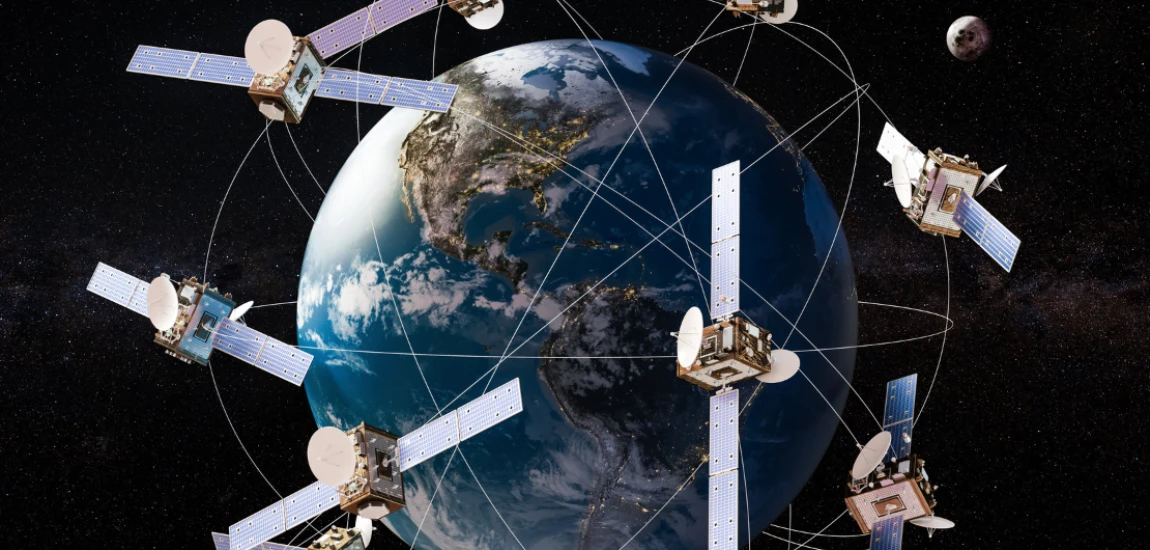
The rapid expansion of satellite networks in Earth’s orbit has created a new and complex challenge for space agencies and private aerospace companies: orbital congestion. With thousands of active satellites, space debris fragments, and future mega-constellations being launched, managing orbital traffic has become increasingly critical for ensuring safe and efficient space operations.
Traditional satellite tracking systems rely heavily on ground-based monitoring and manual coordination, which are no longer sufficient for managing modern orbital density. To address this issue, autonomous satellite coordination systems and real-time orbital traffic control architectures are emerging as advanced AI-driven solutions.
These systems integrate artificial intelligence, machine learning, predictive analytics, and real-time telemetry data to monitor satellite movements, prevent collisions, and optimize orbital positioning automatically. They enable satellites to communicate with each other, adjust trajectories autonomously, and respond to potential risks without human intervention.
As space becomes more commercialized and congested, autonomous orbital traffic management systems are becoming essential for ensuring long-term sustainability and safety in Earth’s orbit and beyond.
Understanding Autonomous Satellite Coordination Systems

Autonomous satellite coordination systems are intelligent space traffic management frameworks that use artificial intelligence and real-time data processing to coordinate satellite movements and maintain orbital safety.
Integration of Artificial Intelligence in Space Operations
Artificial intelligence is the core component of modern satellite coordination systems. AI algorithms analyze orbital trajectories, velocity patterns, and positional data to predict satellite movements with high precision.
Machine learning models continuously improve their accuracy by learning from historical orbital data and real-time telemetry information. These systems can identify potential collision risks and recommend optimal trajectory adjustments automatically.
AI-driven decision-making reduces dependency on ground control stations and enables faster response times in critical orbital situations.
Satellite-to-Satellite Communication Networks
Modern satellite systems are increasingly equipped with inter-satellite communication capabilities that allow direct data exchange between orbital assets.
These communication networks enable satellites to share positional data, operational status, and collision warnings in real time.
By forming interconnected orbital networks, satellites can coordinate movements autonomously and reduce the risk of space traffic conflicts.
Real-Time Orbital Data Processing Systems
Autonomous coordination systems rely on continuous data streams from radar stations, telescopes, and onboard satellite sensors.
Real-time data processing platforms analyze orbital dynamics, space weather conditions, and debris movement patterns instantly.
This enables accurate prediction of orbital congestion and supports proactive traffic management strategies.
Real-Time Orbital Traffic Control Architectures

Real-time orbital traffic control architectures are advanced systems designed to monitor, regulate, and optimize satellite traffic in Earth’s orbit using AI and predictive modeling technologies.
Predictive Collision Avoidance Systems
One of the most critical functions of orbital traffic control systems is collision avoidance.
AI models analyze satellite trajectories and predict potential collision events before they occur. These systems calculate probability risks and automatically generate avoidance maneuvers.
Predictive collision avoidance significantly reduces the risk of satellite damage and space debris creation.
Dynamic Orbital Path Optimization
Orbital traffic systems use AI algorithms to continuously optimize satellite positioning and orbital paths.
These systems ensure efficient spacing between satellites while maintaining operational coverage and mission objectives.
Dynamic optimization reduces orbital congestion and improves satellite network performance.
Space Debris Monitoring and Management
Space debris is one of the biggest threats to orbital safety. Autonomous systems continuously track debris fragments using radar and optical sensors.
AI-powered models predict debris movement patterns and assess collision risks with active satellites.
Debris management systems help prevent cascading collisions and protect critical space infrastructure.
Applications of Satellite Coordination Systems

Autonomous satellite coordination technologies are being applied across multiple sectors of space operations, communication, and scientific research.
Satellite Communication Networks
Global communication systems rely heavily on satellite constellations for internet connectivity, broadcasting, and navigation services.
AI-driven coordination ensures that communication satellites maintain optimal positioning for uninterrupted coverage.
Efficient satellite management improves bandwidth distribution and reduces signal interference.
Earth Observation and Climate Monitoring
Earth observation satellites collect valuable data on weather patterns, environmental changes, and natural disasters.
Autonomous coordination systems ensure continuous data collection by preventing orbital conflicts and optimizing satellite coverage.
These systems support climate research, disaster forecasting, and environmental monitoring efforts.
Military and Defense Satellite Operations
Defense agencies use satellite coordination systems to manage surveillance, reconnaissance, and communication satellites securely.
AI-driven orbital control enhances operational readiness and ensures secure satellite positioning in strategic missions.
These systems improve situational awareness and defense capabilities in space operations.
Benefits of Autonomous Orbital Traffic Systems

AI-powered satellite coordination systems provide significant advantages for space safety, efficiency, and sustainability.
Enhanced Orbital Safety and Collision Prevention
One of the most important benefits is improved safety in Earth’s orbit.
Autonomous systems detect collision risks early and execute avoidance maneuvers automatically.
This reduces the likelihood of satellite destruction and prevents the creation of additional space debris.
Improved Satellite Network Efficiency
Optimized orbital management ensures better performance of satellite constellations used for communication and data collection.
AI systems maintain ideal satellite spacing and positioning, improving signal strength and coverage.
Efficient coordination enhances the reliability of global satellite networks.
Reduced Operational Costs
Automating orbital traffic management reduces the need for constant human monitoring and manual intervention.
Predictive systems minimize expensive satellite damage and reduce maintenance requirements.
These efficiencies significantly lower long-term operational costs for space agencies and private companies.


Kate McCulley, the voice behind "Adventurous Kate," provides travel advice tailored for women. Her blog encourages safe and adventurous travel for female readers.
Kate McCulley

Prev Post

Next Post