
Smart Waste Recycling Intelligence Systems and Autonomous Sustainability Management Networks
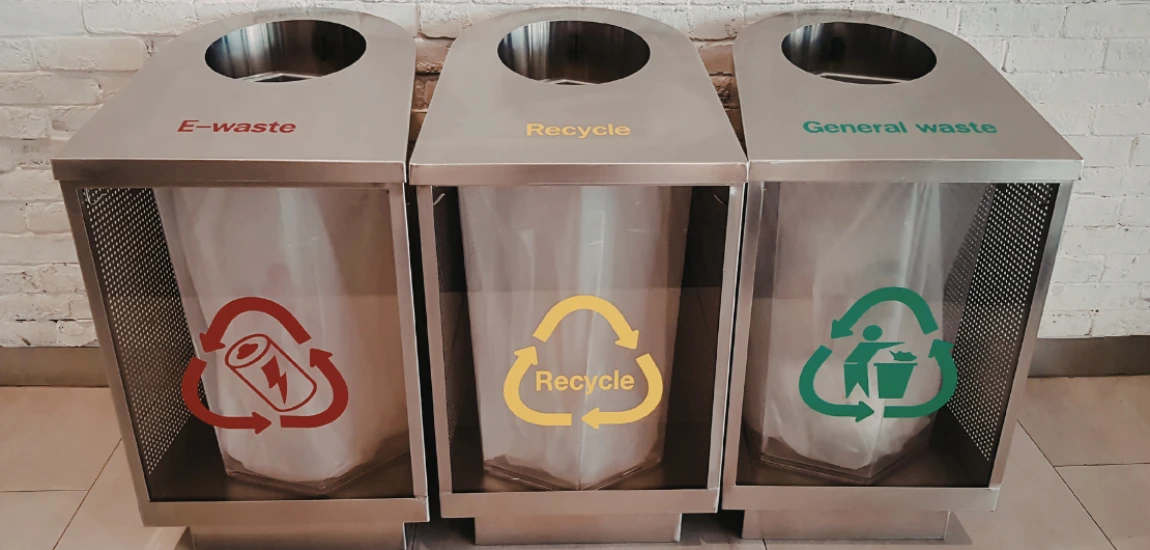
Waste management has become one of the most urgent environmental challenges of the modern world. Rapid urbanization, population growth, and industrial expansion have significantly increased global waste production, placing immense pressure on traditional waste collection and recycling systems. Conventional waste management methods often struggle with inefficiency, poor sorting accuracy, high operational costs, and environmental pollution.
To address these challenges, smart waste recycling intelligence systems and autonomous sustainability management networks are emerging as advanced technological solutions. These systems integrate artificial intelligence, robotics, Internet of Things (IoT) sensors, machine learning, and data analytics to automate waste sorting, optimize recycling processes, and improve environmental sustainability.
By combining intelligent automation with real-time monitoring and predictive analytics, these systems enable cities, industries, and organizations to manage waste more efficiently while reducing environmental impact. Autonomous sustainability networks further enhance these capabilities by creating interconnected ecosystems that manage waste generation, recycling, and resource recovery in real time.
As global environmental concerns continue to rise, AI-driven waste management technologies are becoming essential for building cleaner, more sustainable, and resource-efficient societies.
Understanding Smart Waste Recycling Intelligence Systems

Smart waste recycling intelligence systems are advanced digital platforms designed to automate waste identification, sorting, processing, and recycling using artificial intelligence and sensor-based technologies.
Integration of Artificial Intelligence and Waste Processing
Artificial intelligence plays a central role in modern waste recycling systems by enabling machines to recognize and categorize different types of waste materials.
AI-powered algorithms analyze visual, chemical, and structural properties of waste items to determine whether they are recyclable, biodegradable, or hazardous. Machine learning models continuously improve classification accuracy by learning from large datasets of waste materials.
This intelligent classification process significantly improves recycling efficiency and reduces contamination in recyclable waste streams.
IoT Sensors and Smart Waste Monitoring
IoT-enabled sensors are widely used in smart waste bins, recycling facilities, and waste transportation systems to monitor waste levels, composition, and environmental conditions.
These sensors collect real-time data such as fill levels, temperature, humidity, and gas emissions. The data is transmitted to centralized systems where AI algorithms analyze waste generation patterns and optimize collection schedules.
Smart monitoring systems reduce unnecessary waste collection trips and improve operational efficiency in urban waste management.
Robotics and Automated Sorting Systems
Robotic systems are increasingly used in recycling facilities to automate waste sorting and processing tasks.
AI-powered robotic arms equipped with computer vision technologies can identify and separate plastics, metals, glass, and organic materials with high precision.
Automation reduces human exposure to hazardous waste while improving sorting speed and accuracy in recycling centers.
Autonomous Sustainability Management Networks

Autonomous sustainability management networks are intelligent systems that coordinate waste management, recycling, and resource optimization processes across interconnected environments.
AI-Driven Resource Optimization
These networks use artificial intelligence to analyze waste generation patterns and optimize resource allocation across cities, industries, and recycling centers.
AI systems predict waste production trends based on population behavior, industrial activity, and seasonal variations.
This predictive capability helps municipalities plan recycling capacity and reduce waste overflow situations.
Circular Economy Integration Systems
Autonomous sustainability networks support circular economy models by ensuring that waste materials are continuously recycled and reused instead of being discarded.
AI systems identify opportunities for material recovery and reuse in manufacturing, construction, and packaging industries.
This reduces dependence on raw materials and promotes sustainable resource utilization.
Real-Time Sustainability Monitoring Platforms
These systems provide real-time dashboards that track environmental impact, recycling efficiency, and waste reduction performance.
Governments and organizations can use these insights to improve sustainability strategies and meet environmental targets.
Continuous monitoring ensures transparency and accountability in waste management operations.
Applications of Smart Waste Recycling Systems

AI-powered waste management technologies are transforming multiple sectors by improving efficiency, reducing environmental pollution, and enabling sustainable practices.
Smart Cities and Urban Waste Management
Smart cities use intelligent waste recycling systems to automate garbage collection, monitor waste bins, and optimize recycling operations.
AI-driven systems reduce urban pollution by ensuring timely waste removal and efficient sorting processes.
These technologies also improve city cleanliness and reduce operational costs for municipal authorities.
Industrial Waste Processing Systems
Industries generate large volumes of waste that require specialized handling and recycling processes.
Smart recycling systems help industrial facilities manage hazardous waste, recover valuable materials, and reduce environmental impact.
Automated monitoring ensures compliance with environmental regulations and improves operational safety.
Agricultural and Organic Waste Management
Agricultural waste such as crop residues, food waste, and organic byproducts can be efficiently managed using AI-driven composting and recycling systems.
Smart systems analyze organic waste composition and optimize composting processes for soil enrichment.
This supports sustainable agriculture and reduces environmental degradation.
Benefits of AI-Driven Waste Recycling Systems

Smart waste recycling intelligence systems provide significant environmental, economic, and operational benefits across multiple industries.
Improved Recycling Efficiency
AI-powered systems significantly improve waste sorting accuracy and recycling efficiency by reducing contamination and processing errors.
Automated classification ensures that recyclable materials are properly separated and reused effectively.
Higher recycling efficiency contributes to reduced landfill dependency.
Reduced Environmental Pollution
Intelligent waste management systems help reduce air, soil, and water pollution caused by improper waste disposal.
By ensuring proper treatment of hazardous materials, these systems minimize environmental damage.
Cleaner waste management processes support healthier ecosystems and communities.
Lower Operational Costs
Automation and predictive analytics reduce labor costs, transportation expenses, and operational inefficiencies in waste management systems.
Optimized collection routes and automated sorting reduce overall system expenses.
These cost savings make smart recycling systems economically viable for large-scale adoption.


Kate McCulley, the voice behind "Adventurous Kate," provides travel advice tailored for women. Her blog encourages safe and adventurous travel for female readers.
Kate McCulley

Prev Post

Next Post