
Autonomous Lunar Mining Systems and AI-Based Extraterrestrial Resource Extraction Frameworks
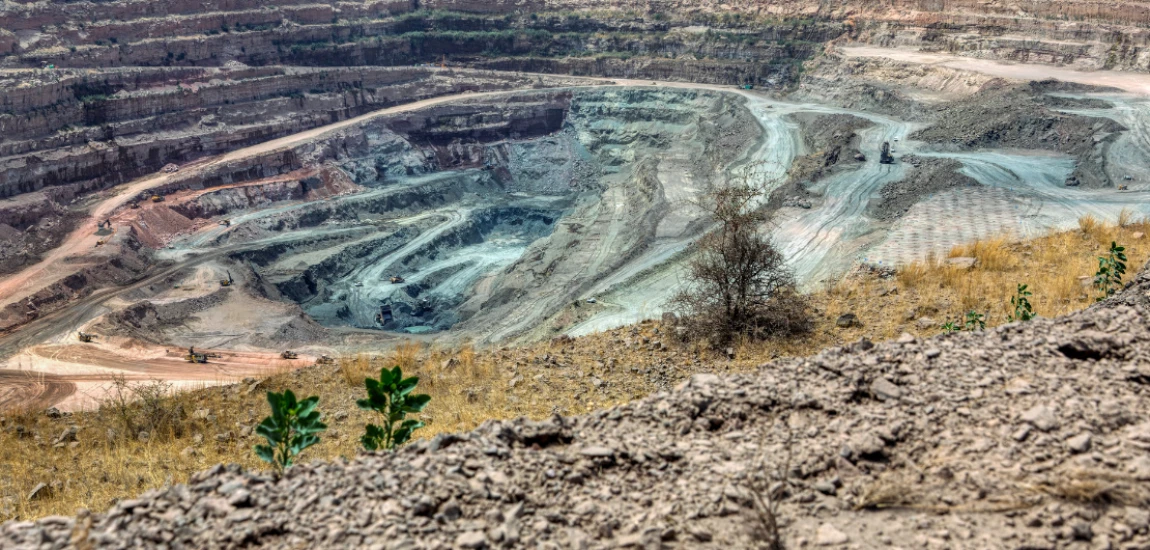
The growing interest in space exploration and interplanetary colonization has accelerated the development of autonomous lunar mining systems. Governments, private aerospace companies, and research institutions are investing heavily in advanced technologies capable of extracting valuable resources from the Moon and other extraterrestrial environments. These intelligent mining systems combine robotics, artificial intelligence, machine learning, and autonomous navigation to create highly efficient extraterrestrial resource extraction frameworks.
The Moon contains significant quantities of rare minerals, water ice, helium-3, and other resources that could support future space missions and sustainable off-world settlements. Traditional mining methods are unsuitable for harsh lunar conditions due to extreme temperatures, communication delays, radiation exposure, and challenging terrain. As a result, AI-driven autonomous systems are becoming essential for operating efficiently in extraterrestrial environments.
By integrating intelligent automation with space infrastructure, lunar mining technologies are expected to reduce operational risks, minimize human involvement in dangerous conditions, and establish the foundation for future interplanetary economies. These systems may ultimately play a critical role in supporting long-duration missions to Mars and beyond.
Understanding Autonomous Lunar Mining Systems

Autonomous lunar mining systems are advanced robotic frameworks designed to explore, identify, extract, and process resources on the Moon without continuous human intervention. These systems rely heavily on artificial intelligence and autonomous decision-making technologies to function in remote extraterrestrial environments.
Integration of Artificial Intelligence and Robotics
Artificial intelligence serves as the central intelligence engine behind autonomous lunar mining operations. AI algorithms analyze geological data, optimize excavation strategies, and monitor environmental conditions in real time. Robotics systems perform physical tasks such as drilling, excavation, transportation, and material processing.
Machine learning models enable mining robots to adapt to changing terrain conditions and improve operational efficiency over time. These systems can identify mineral-rich regions using advanced imaging technologies and predictive geological analysis.
The integration of AI with robotics significantly reduces the need for direct human control, which is particularly important because communication delays between Earth and the Moon can disrupt manual operations.
Autonomous Navigation and Terrain Analysis
The lunar surface presents many operational challenges, including craters, uneven terrain, dust storms, and low-gravity conditions. Autonomous navigation systems help mining robots move safely and efficiently across the lunar environment.
AI-powered terrain mapping technologies use satellite imagery, sensors, and computer vision systems to create detailed lunar surface models. These systems allow mining vehicles to avoid hazards and determine optimal excavation routes.
Advanced navigation frameworks also support swarm robotics, where multiple autonomous robots collaborate to complete mining tasks more efficiently. This cooperative intelligence increases productivity while minimizing equipment downtime.
Resource Identification and Extraction Processes
Lunar mining systems use sophisticated detection technologies to identify valuable extraterrestrial resources. Spectroscopy, radar imaging, and AI-based geological analysis help determine the location and quality of mineral deposits.
Once resources are identified, robotic systems begin extraction through automated drilling, excavation, and collection mechanisms. AI optimization frameworks continuously adjust mining parameters to improve efficiency and conserve energy.
These intelligent extraction systems are particularly important for obtaining lunar water ice, which can be converted into oxygen and hydrogen fuel for future space missions.
AI-Based Extraterrestrial Resource Extraction Frameworks

AI-based extraterrestrial resource extraction frameworks provide the digital intelligence and automation infrastructure necessary for sustainable lunar mining operations. These frameworks combine predictive analytics, autonomous control systems, and real-time optimization technologies.
Predictive Resource Mapping Technologies
Artificial intelligence enhances lunar exploration by analyzing massive datasets collected from satellites, sensors, and exploratory missions. Predictive resource mapping helps identify regions with high concentrations of valuable materials.
Machine learning algorithms evaluate geological patterns and historical mission data to estimate mineral availability and extraction feasibility. This reduces unnecessary excavation and improves mission planning accuracy.
Predictive mapping frameworks are essential for maximizing resource utilization while minimizing operational costs and equipment wear in extraterrestrial environments.
Intelligent Mining Process Optimization
AI-powered optimization systems continuously monitor mining operations to improve productivity and efficiency. These frameworks analyze factors such as energy consumption, drilling performance, environmental conditions, and equipment health.
Autonomous optimization algorithms can modify excavation techniques in real time to achieve better extraction results. For example, robotic drills may automatically adjust pressure and speed depending on lunar soil composition.
This intelligent adaptability significantly improves mining performance and reduces the risk of system failure in harsh lunar conditions.
Real-Time Monitoring and Autonomous Decision-Making
Real-time monitoring systems are essential for maintaining operational stability in remote space environments. AI-based monitoring frameworks track equipment performance, structural integrity, and environmental risks continuously.
Autonomous decision-making systems allow mining robots to respond instantly to unexpected situations such as terrain instability or mechanical malfunctions. This reduces reliance on delayed human instructions from Earth.
These frameworks increase operational reliability while enabling uninterrupted resource extraction activities during long-duration missions.
Importance of Lunar Resource Extraction for Space Exploration

Extraterrestrial resource extraction is becoming increasingly important for the future of sustainable space exploration and interplanetary expansion.
Supporting Long-Duration Space Missions
Transporting resources from Earth to space is extremely expensive and logistically challenging. Lunar mining systems can provide essential materials directly from the Moon, reducing dependency on Earth-based supply chains.
Water extracted from lunar ice deposits can support astronaut survival and fuel production. Oxygen generation systems may also use lunar materials to sustain future lunar bases and spacecraft operations.
These capabilities significantly improve the feasibility of long-duration missions to Mars and deep-space exploration programs.
Development of Space Infrastructure
Lunar mining operations may provide raw materials for constructing extraterrestrial infrastructure such as habitats, landing pads, energy facilities, and manufacturing centers.
Autonomous construction systems could use lunar regolith to create durable building materials through advanced 3D printing technologies. This would reduce the need to transport construction supplies from Earth.
The establishment of lunar infrastructure could serve as a foundation for future interplanetary transportation networks and commercial space industries.
Economic Opportunities in Space Industries
The commercialization of extraterrestrial resources may create entirely new economic sectors. Helium-3, rare earth elements, and precious metals found on the Moon could support advanced energy production and manufacturing industries.
Private aerospace companies are already exploring opportunities for space-based resource extraction and commercial mining operations. Autonomous AI systems make these ventures more practical and cost-effective.
The growth of lunar mining industries may eventually contribute to a global space economy worth trillions of dollars.
Challenges Facing Autonomous Lunar Mining Systems

Despite rapid technological progress, autonomous lunar mining systems still face numerous technical, environmental, and operational challenges.
Extreme Environmental Conditions
The Moon experiences severe temperature fluctuations, radiation exposure, and abrasive lunar dust that can damage sensitive equipment.
Mining robots must be designed using highly durable materials capable of surviving harsh extraterrestrial conditions for extended periods. AI systems also need advanced environmental adaptation capabilities to maintain operational stability.
Radiation-resistant electronics and thermal management systems are critical for ensuring long-term mining performance.
Communication Delays and System Reliability
Communication between Earth and the Moon experiences noticeable delays, making real-time manual control difficult. Autonomous systems must therefore operate independently for long periods without human intervention.
Reliability becomes extremely important because equipment failures in space are difficult and expensive to repair. AI-driven predictive maintenance systems help identify potential mechanical problems before failures occur.
These intelligent monitoring frameworks improve equipment lifespan and mission reliability.
Legal and Ethical Considerations
Space resource extraction raises complex legal and ethical questions regarding ownership, environmental responsibility, and international cooperation.
Current international treaties provide limited guidance on commercial lunar mining operations. Governments and global organizations may need to establish new regulations governing extraterrestrial resource utilization.
Ethical concerns also include preserving scientifically valuable lunar regions and preventing uncontrolled exploitation of extraterrestrial environments.


Ben Schlappig runs "One Mile at a Time," focusing on aviation and frequent flying. He offers insights on maximizing travel points, airline reviews, and industry news.
Ben Schlappig

Prev Post
Next Post