
Autonomous Drone Intelligence Systems and Real-Time Aerial Surveillance Networks
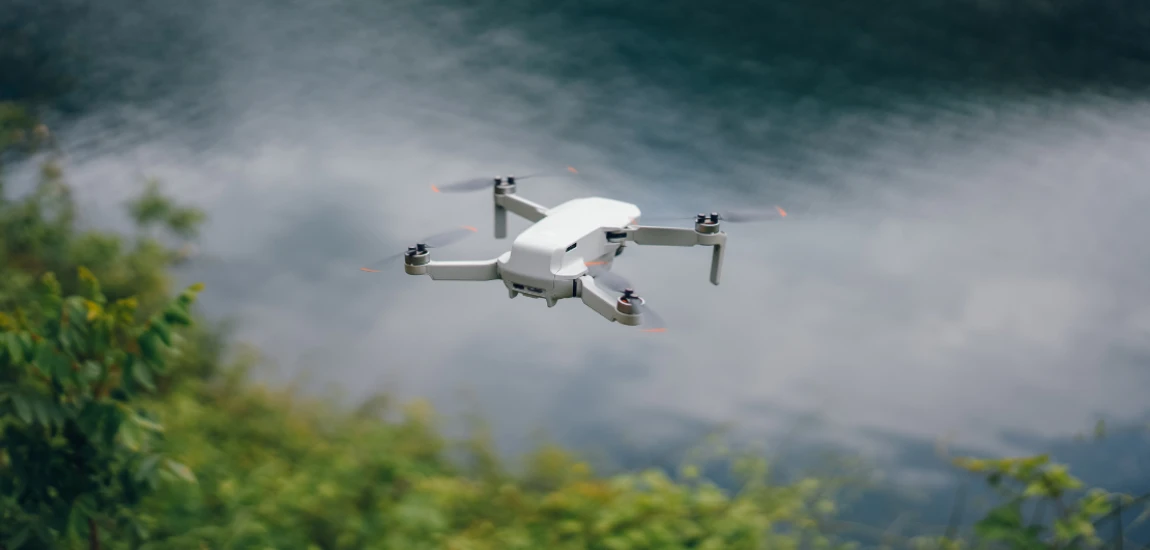
The rapid advancement of artificial intelligence and robotics has significantly transformed aerial technology in recent years. One of the most innovative developments in this field is the rise of autonomous drone intelligence systems and real-time aerial surveillance networks. These advanced technologies are changing how governments, businesses, and industries monitor environments, collect data, and respond to critical situations.
Autonomous drones are no longer limited to simple remote-controlled flying devices. Modern drones use AI-powered navigation systems, machine learning algorithms, computer vision, and intelligent communication networks to operate independently with minimal human intervention. Combined with real-time aerial surveillance frameworks, these systems can analyze environments instantly, detect threats, monitor large-scale operations, and support decision-making processes with remarkable speed and accuracy.
From military surveillance and border security to agriculture, logistics, disaster management, and smart city monitoring, autonomous drone intelligence systems are becoming essential tools for modern operations. Their ability to provide real-time aerial insights while reducing operational costs and human risk makes them highly valuable across multiple industries.
In this blog, we will explore the technologies, applications, benefits, challenges, and future trends related to autonomous drone intelligence systems and real-time aerial surveillance networks.
Understanding Autonomous Drone Intelligence Systems

Autonomous drone intelligence systems combine artificial intelligence, robotics, and advanced sensor technologies to enable drones to perform tasks independently. These systems are designed to operate without constant human control while making intelligent decisions in dynamic environments.
AI-Powered Autonomous Navigation
Modern drones use AI-powered navigation systems to travel safely and efficiently through complex environments. These intelligent systems analyze data from cameras, GPS modules, radar systems, and environmental sensors to determine the best flight paths.
Machine learning algorithms help drones avoid obstacles, adapt to changing weather conditions, and respond to unexpected environmental situations. Autonomous navigation significantly improves operational safety and reduces the need for manual piloting.
AI-driven drones can also optimize routes automatically to conserve battery power and improve mission efficiency. This capability is especially useful in large-scale surveillance operations and industrial inspections where long-distance coverage is required.
Computer Vision and Environmental Awareness
Computer vision technology allows autonomous drones to interpret and understand visual information from their surroundings. Drones equipped with high-resolution cameras and AI image-processing systems can recognize objects, detect movement, and analyze environmental conditions in real time.
These capabilities are essential for surveillance, security monitoring, and search-and-rescue missions. AI-powered computer vision enables drones to identify suspicious activities, monitor crowd behavior, and track moving targets accurately.
Environmental awareness also allows drones to operate in challenging conditions such as forests, urban environments, and disaster zones. Real-time scene analysis improves operational precision and enhances decision-making capabilities.
Intelligent Communication and Coordination
Autonomous drone systems rely on advanced communication networks to exchange information with control centers, cloud platforms, and other drones.
Real-time data sharing enables collaborative drone operations where multiple drones work together to complete surveillance or monitoring tasks efficiently. Intelligent coordination systems help distribute workloads and optimize coverage areas automatically.
These communication technologies also improve response times during emergencies and enhance operational reliability in critical missions.
Real-Time Aerial Surveillance Networks Explained

Real-time aerial surveillance networks use interconnected drones, AI analytics, and communication infrastructure to monitor environments continuously and deliver actionable insights instantly.
Continuous Monitoring and Data Collection
Traditional surveillance methods often rely on fixed cameras or manual inspections, which can be limited in coverage and flexibility. Drone-based aerial surveillance networks overcome these limitations by providing dynamic, real-time monitoring from the air.
Autonomous drones can cover vast geographic areas quickly and capture detailed visual data from multiple angles. This capability is particularly valuable for border security, traffic monitoring, industrial inspections, and environmental observation.
Real-time surveillance networks continuously collect information and transmit it to centralized systems for analysis. This improves situational awareness and enables faster responses to developing situations.
AI-Driven Threat Detection
Artificial intelligence plays a critical role in identifying potential threats and unusual activities within surveillance networks.
Machine learning algorithms analyze video feeds, thermal imagery, and sensor data to detect suspicious patterns automatically. AI systems can recognize unauthorized intrusions, unusual movements, or safety hazards in real time.
This automated threat detection reduces dependence on manual monitoring and significantly improves surveillance efficiency. Security teams receive instant alerts, enabling rapid response to critical incidents.
Cloud Integration and Remote Accessibility
Modern aerial surveillance networks often integrate with cloud computing platforms to process and store massive amounts of operational data.
Cloud integration allows organizations to access surveillance information remotely from any location. Decision-makers can monitor live drone feeds, analyze historical data, and coordinate operations through centralized dashboards.
Remote accessibility also improves collaboration between multiple departments and enhances operational flexibility across large-scale surveillance systems.
Key Technologies Behind Autonomous Drone Networks

Several advanced technologies contribute to the development of intelligent drone systems and real-time aerial surveillance frameworks.
Machine Learning and Predictive Analytics
Machine learning algorithms enable drones to learn from operational data and improve performance over time.
Predictive analytics helps drones anticipate environmental changes, optimize flight routes, and identify operational risks before they occur. AI models continuously analyze historical and real-time data to improve surveillance accuracy and efficiency.
Predictive intelligence is especially useful in disaster management, military operations, and infrastructure inspections where proactive decision-making is critical.
Internet of Things and Sensor Integration
The Internet of Things connects drones with smart sensors, control systems, and communication networks.
Sensors such as LiDAR, infrared cameras, GPS modules, and thermal imaging devices provide drones with detailed environmental information. AI systems analyze this data to improve navigation, monitoring, and object detection capabilities.
IoT-enabled drones can also interact with smart city infrastructure, industrial systems, and emergency response networks for coordinated operations.
Edge Computing and Real-Time Processing
Real-time aerial surveillance requires rapid data processing with minimal delays. Edge computing solves this challenge by processing data directly on the drone or near the operational environment.
This reduces latency and enables faster decision-making during critical missions. Edge intelligence allows drones to identify threats, avoid obstacles, and respond to changing conditions instantly.
Combining edge computing with cloud platforms creates highly scalable and efficient surveillance ecosystems.
Applications of Autonomous Drone Intelligence Systems

Autonomous drone intelligence systems are transforming multiple industries by improving efficiency, safety, and operational visibility.
Security and Border Surveillance
Governments and defense organizations use autonomous drones for border monitoring, military surveillance, and public safety operations.
AI-powered drones can patrol large areas continuously and detect unauthorized activities in real time. Thermal imaging and night-vision capabilities improve surveillance effectiveness in low-visibility conditions.
Drone intelligence systems also reduce risks to human personnel by performing dangerous monitoring tasks autonomously.
Disaster Management and Emergency Response
Natural disasters often create hazardous environments that are difficult for rescue teams to access quickly.
Autonomous drones provide aerial assessments of disaster zones, locate survivors, and monitor environmental conditions in real time. AI-powered analysis helps emergency teams prioritize rescue operations and allocate resources effectively.
Drones can also deliver medical supplies, communication equipment, and emergency aid to isolated areas during crises.
Agriculture and Environmental Monitoring
Agricultural industries use intelligent drones for crop monitoring, irrigation analysis, and pest detection.
AI systems analyze aerial imagery to identify crop health issues, optimize fertilizer usage, and improve overall farm productivity. This reduces operational costs and enhances sustainable farming practices.
Environmental agencies also use drones for wildlife monitoring, forest management, and pollution tracking across large geographic regions.


Kate McCulley, the voice behind "Adventurous Kate," provides travel advice tailored for women. Her blog encourages safe and adventurous travel for female readers.
Kate McCulley

Prev Post

Next Post