
AI-Powered Renewable Energy Intelligence Systems and Smart Grid Optimization Frameworks
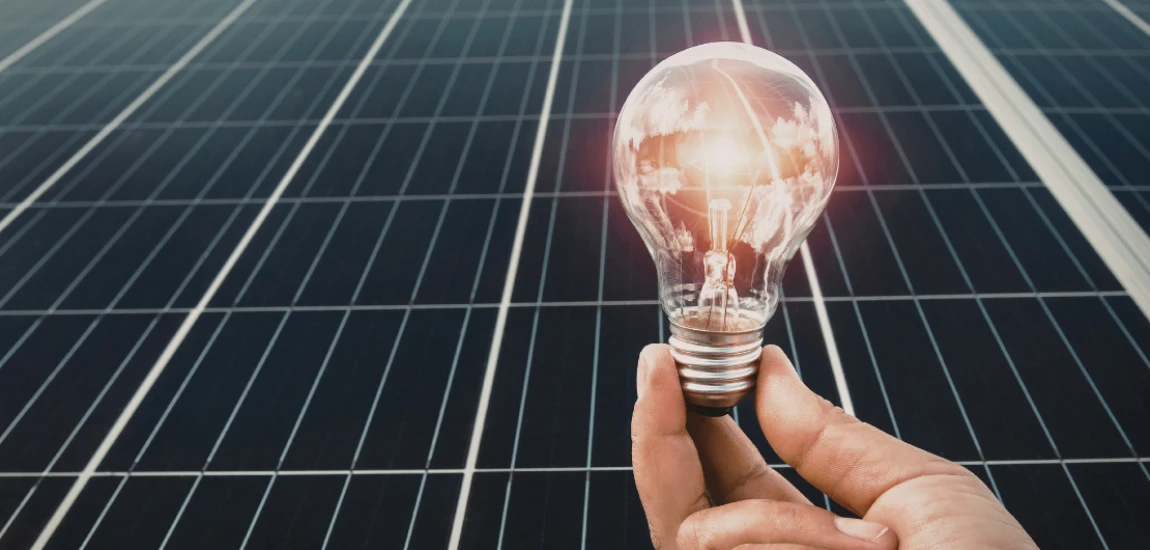
The global demand for clean and sustainable energy is growing rapidly as industries, governments, and consumers seek alternatives to fossil fuels. Renewable energy sources such as solar, wind, hydroelectric, and geothermal power are becoming critical components of modern energy infrastructure. However, managing renewable energy efficiently presents several challenges due to fluctuating energy production, weather dependency, and increasing electricity demand. To address these issues, organizations are adopting AI-powered renewable energy intelligence systems and smart grid optimization frameworks.
Artificial intelligence is transforming the energy sector by enabling real-time monitoring, predictive analytics, automated decision-making, and intelligent energy distribution. Smart grid optimization frameworks use AI algorithms, machine learning models, and advanced data analytics to improve grid reliability, reduce operational costs, and maximize renewable energy utilization.
These intelligent systems are helping utility providers balance supply and demand, prevent power outages, integrate distributed energy resources, and improve overall energy efficiency. As climate concerns continue to rise, AI-driven renewable energy technologies are expected to play a major role in creating a sustainable and resilient global energy ecosystem.
In this blog, we will explore the technologies, benefits, applications, challenges, and future potential of AI-powered renewable energy intelligence systems and smart grid optimization frameworks.
Understanding AI-Powered Renewable Energy Intelligence Systems

AI-powered renewable energy intelligence systems combine artificial intelligence technologies with renewable energy infrastructure to improve energy generation, storage, and distribution. These systems analyze large volumes of data in real time and help organizations make smarter operational decisions.
Role of Artificial Intelligence in Renewable Energy
Artificial intelligence enables energy providers to monitor renewable energy production continuously and optimize performance automatically. AI systems collect data from sensors, weather forecasts, smart meters, and energy management platforms to generate accurate insights.
Machine learning algorithms can identify patterns in energy consumption and predict fluctuations in power generation. For example, AI models can forecast solar panel efficiency based on sunlight intensity or estimate wind turbine output according to changing weather conditions.
This predictive capability allows utility companies to allocate energy resources efficiently and maintain stable power distribution. AI also improves maintenance operations by detecting equipment issues before failures occur, reducing downtime and operational disruptions.
Intelligent Data Processing and Automation
Renewable energy systems generate massive amounts of operational data every second. Traditional systems often struggle to process this information quickly and accurately. AI-powered intelligence systems solve this problem through automated data analysis and intelligent decision-making.
Automation enables renewable energy plants to adjust power generation dynamically according to demand and environmental conditions. AI-driven automation also supports autonomous grid balancing, energy storage management, and load forecasting.
By reducing manual intervention, intelligent energy systems improve operational efficiency while minimizing human error. This creates a more reliable and cost-effective renewable energy ecosystem.
Importance of Renewable Energy Intelligence Systems
Renewable energy sources are naturally variable, making energy management complex. AI-powered intelligence systems provide the flexibility and adaptability needed to handle fluctuating power generation effectively.
These systems help organizations reduce energy waste, improve grid reliability, and support sustainability initiatives. Governments and utility companies are increasingly investing in AI-driven renewable energy technologies to meet carbon reduction goals and improve energy security.
As energy demand continues to rise globally, intelligent renewable energy systems will become essential for building resilient and environmentally friendly power infrastructures.
Smart Grid Optimization Frameworks and Their Importance

Smart grid optimization frameworks use advanced digital technologies to modernize electricity networks and improve energy distribution efficiency. AI plays a central role in enabling smart grids to operate intelligently and autonomously.
What Is a Smart Grid?
A smart grid is an advanced electricity network that uses digital communication systems, sensors, and AI technologies to monitor and manage energy flow in real time.
Unlike traditional power grids, smart grids can automatically detect faults, reroute electricity, and respond dynamically to changes in energy demand. This improves reliability and minimizes power outages.
Smart grids also support bidirectional communication between utility providers and consumers. This allows users to monitor energy consumption, optimize usage, and participate in demand-response programs.
AI-Driven Grid Optimization
Artificial intelligence improves smart grid performance by analyzing real-time data and predicting future energy demand. AI algorithms help balance electricity supply and consumption efficiently.
Grid optimization frameworks use predictive analytics to identify peak demand periods and allocate resources accordingly. This reduces stress on the grid and prevents overload situations.
AI also enhances voltage control, frequency regulation, and energy storage management. Intelligent systems can automatically redirect electricity during equipment failures, improving overall grid resilience.
Integration of Renewable Energy Sources
One of the biggest challenges in renewable energy adoption is integrating variable power sources into the existing grid infrastructure. Smart grid optimization frameworks solve this issue by managing distributed energy resources intelligently.
AI-powered grids can coordinate solar panels, wind farms, battery storage systems, and electric vehicles efficiently. This enables smooth energy distribution and improves renewable energy utilization.
The ability to integrate multiple energy sources effectively makes smart grids a key component of future sustainable energy systems.
Key Technologies Behind AI-Powered Energy Systems

Several advanced technologies support the development and operation of AI-powered renewable energy intelligence systems and smart grid frameworks.
Machine Learning and Predictive Analytics
Machine learning algorithms are essential for forecasting energy demand, renewable energy production, and equipment performance.
Predictive analytics helps utility providers anticipate energy consumption patterns and optimize electricity distribution accordingly. AI models continuously learn from historical and real-time data, improving forecasting accuracy over time.
This capability enables proactive energy management and reduces operational inefficiencies. Accurate predictions also help organizations lower energy costs and improve sustainability outcomes.
Internet of Things and Smart Sensors
The Internet of Things plays a major role in intelligent energy systems by connecting devices, sensors, and infrastructure components.
Smart sensors collect real-time data related to energy production, grid conditions, weather patterns, and equipment status. AI systems analyze this information to optimize energy operations continuously.
IoT-enabled smart grids improve visibility across the entire energy network, allowing faster detection of faults and more efficient resource management.
Cloud Computing and Edge Intelligence
Cloud computing provides the computational power needed to process massive amounts of energy data efficiently. Energy companies use cloud platforms to store, analyze, and manage operational information in real time.
Edge intelligence complements cloud systems by processing critical data closer to the source. This reduces latency and enables faster decision-making in time-sensitive applications.
The combination of cloud computing and edge AI enhances scalability, flexibility, and reliability in renewable energy management systems.
Applications of AI in Renewable Energy and Smart Grids

AI-powered renewable energy intelligence systems are transforming multiple sectors by improving energy efficiency and operational performance.
Solar and Wind Energy Optimization
AI systems help optimize solar and wind power generation by predicting weather conditions and adjusting operational settings automatically.
Solar farms use AI algorithms to track sunlight patterns and maximize panel efficiency. Wind energy systems analyze wind speed and direction to optimize turbine performance.
These intelligent optimization techniques increase renewable energy output and improve return on investment for energy providers.
Energy Storage and Battery Management
Energy storage systems are critical for managing fluctuations in renewable power generation. AI improves battery performance by monitoring charging cycles, temperature levels, and energy demand patterns.
Intelligent battery management systems optimize energy storage and distribution, ensuring reliable power availability during peak demand periods.
AI-driven storage solutions also extend battery lifespan and reduce maintenance costs, making renewable energy systems more sustainable.
Smart Cities and Electric Vehicle Integration
Smart cities rely on intelligent energy infrastructure to support transportation, buildings, and public services efficiently.
AI-powered smart grids help manage electric vehicle charging stations, optimize traffic energy consumption, and reduce carbon emissions.
These technologies support urban sustainability initiatives and improve energy efficiency across modern smart city ecosystems.


Shivya Nath authors "The Shooting Star," a blog that covers responsible and off-the-beaten-path travel. She writes about sustainable tourism and community-based experiences.
Shivya Nath
Prev Post
Next Post