
Autonomous Drone Intelligence Systems: Advancing Aerial Surveillance Control Networks
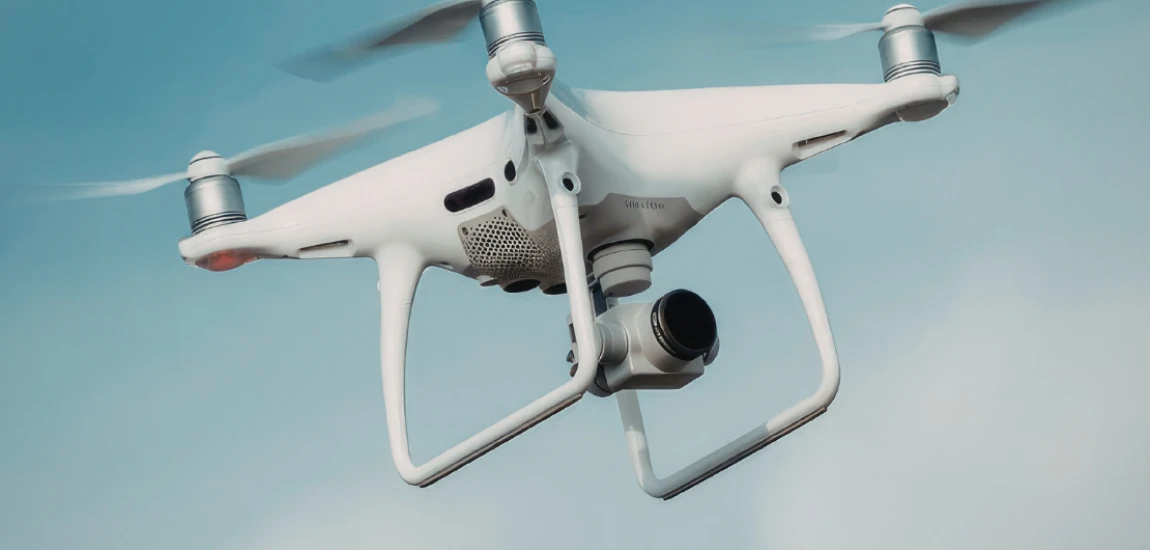
Autonomous drone intelligence systems are rapidly transforming the landscape of aerial surveillance by combining artificial intelligence, robotics, and real-time data analytics into powerful airborne platforms. Unlike traditional drones that require manual control, these advanced systems operate autonomously, making decisions based on sensor inputs, environmental conditions, and pre-programmed objectives. Aerial surveillance control networks connect multiple drones into coordinated systems, enabling large-scale monitoring and data collection across vast areas. From military and defense to agriculture, disaster management, and urban planning, these technologies are redefining how organizations monitor environments and respond to dynamic situations. As demand for real-time insights and efficient surveillance grows, autonomous drone systems are becoming essential tools for improving safety, reducing costs, and enhancing operational efficiency in various industries.
Understanding Autonomous Drone Intelligence Systems

What Are Autonomous Drone Systems?
Autonomous drone intelligence systems are advanced unmanned aerial vehicles (UAVs) equipped with AI algorithms that enable them to operate independently without constant human intervention. These drones can perform tasks such as navigation, object detection, and data collection using onboard sensors and processing units.
Unlike manually controlled drones, autonomous systems rely on machine learning models and computer vision to interpret their surroundings. This allows them to make decisions in real time, such as avoiding obstacles or adjusting flight paths.
Evolution of Drone Technology
Drone technology has evolved significantly over the years, transitioning from simple remote-controlled devices to highly intelligent autonomous systems. Early drones were primarily used for military purposes, but advancements in AI and sensor technology have expanded their applications.
Today, drones are used in various industries, including agriculture, logistics, and surveillance. The integration of AI has further enhanced their capabilities, enabling more complex and efficient operations.
Importance in Modern Surveillance
Autonomous drone intelligence systems play a critical role in modern surveillance by providing real-time data and insights. They enable continuous monitoring of large areas, which is difficult to achieve with traditional methods.
These systems improve situational awareness, allowing organizations to respond quickly to potential threats or changes in the environment.
Core Technologies Behind Aerial Surveillance Networks

Sensors and Imaging Systems
Sensors are a fundamental component of autonomous drone systems. These include cameras, LiDAR, infrared sensors, and GPS modules that collect data about the environment.
Imaging systems provide high-resolution visuals, enabling drones to capture detailed information for analysis. This is particularly useful for surveillance and monitoring applications.
AI and Machine Learning Algorithms
AI and machine learning algorithms enable drones to process data and make decisions autonomously. These algorithms analyze sensor data to identify objects, detect patterns, and predict outcomes.
This capability allows drones to perform complex tasks such as tracking moving objects and identifying anomalies in real time.
Communication and Control Networks
Aerial surveillance control networks connect multiple drones and enable them to communicate with each other and with central control systems. This coordination allows for efficient data sharing and task distribution.
These networks ensure seamless operation and improve the overall effectiveness of surveillance systems.
Benefits of Autonomous Drone Intelligence Systems

Enhanced Surveillance and Monitoring
Autonomous drones provide continuous and comprehensive surveillance, covering large areas with minimal human intervention. This enhances monitoring capabilities and improves data accuracy.
They can operate in challenging environments, such as remote or hazardous areas, where human access is limited.
Cost Efficiency and Resource Optimization
By automating surveillance tasks, drone systems reduce the need for manual labor and traditional monitoring methods. This leads to significant cost savings and improved resource utilization.
Organizations can allocate resources more effectively, focusing on critical areas.
Real-Time Data and Decision-Making
Autonomous drone intelligence systems provide real-time data, enabling quick and informed decision-making. This is crucial in situations where timely responses are essential.
The ability to analyze data on the fly enhances operational efficiency and effectiveness.
Applications of Aerial Surveillance Control Networks

Defense and Security Operations
In defense and security, autonomous drones are used for border surveillance, reconnaissance, and threat detection. They provide real-time intelligence and enhance situational awareness.
These systems improve response times and reduce risks for personnel.
Disaster Management and Emergency Response
Drones play a vital role in disaster management by providing aerial views of affected areas. They help assess damage, locate survivors, and coordinate rescue operations.
Their ability to access hard-to-reach areas makes them invaluable in emergency situations.
Agriculture and Environmental Monitoring
In agriculture, drones are used to monitor crop health, assess soil conditions, and optimize resource usage. They provide valuable insights that help improve productivity.
Environmental monitoring applications include tracking wildlife, assessing pollution levels, and studying ecosystems.


Kate McCulley, the voice behind "Adventurous Kate," provides travel advice tailored for women. Her blog encourages safe and adventurous travel for female readers.
Kate McCulley
Prev Post

Next Post