
AI-Powered Supply Chain Intelligence Systems and Logistics Optimization Architectures
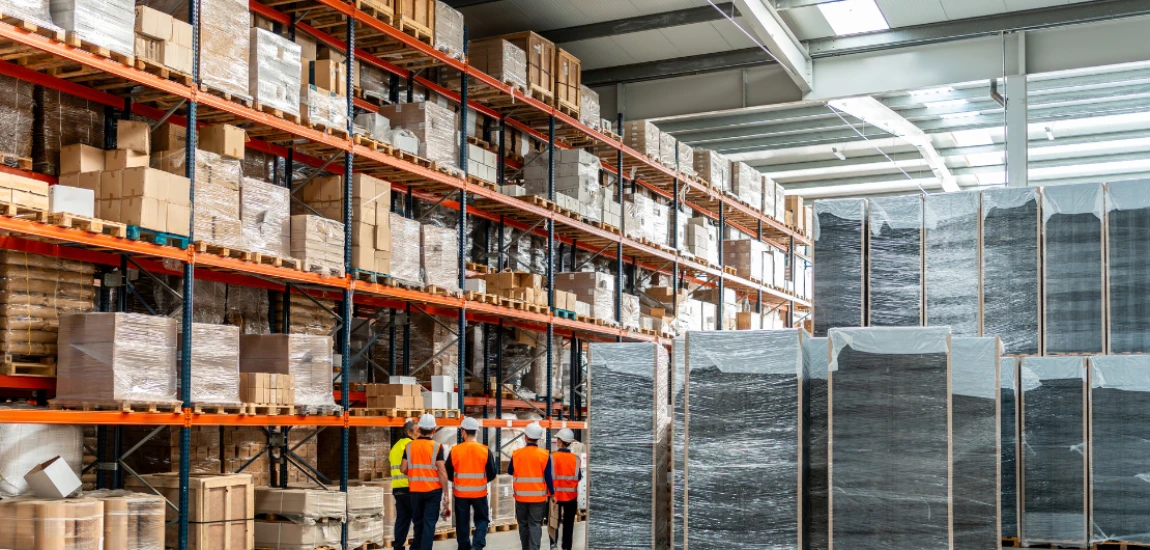
Global supply chains are becoming increasingly complex due to rising consumer demand, international trade fluctuations, geopolitical disruptions, and rapidly evolving market conditions. Traditional supply chain management systems often struggle to keep up with these dynamic challenges, leading to inefficiencies, delays, and increased operational costs. To address these issues, organizations are turning to AI-powered supply chain intelligence systems and logistics optimization architectures. These advanced systems leverage artificial intelligence, machine learning, predictive analytics, and real-time data processing to streamline operations, improve decision-making, and enhance overall supply chain visibility. From demand forecasting and inventory optimization to route planning and warehouse automation, AI is transforming how goods move across the global economy. This blog explores the technologies, applications, benefits, challenges, and future trends shaping this intelligent logistics revolution.
Understanding AI-Powered Supply Chain Intelligence Systems

What Are Supply Chain Intelligence Systems?
AI-powered supply chain intelligence systems are advanced digital platforms that use artificial intelligence and data analytics to optimize supply chain operations from end to end. These systems collect, analyze, and interpret large volumes of data from suppliers, manufacturers, warehouses, transportation networks, and retail channels.
Unlike traditional systems that rely on static rules and historical reports, AI-driven platforms continuously learn from real-time data to provide actionable insights. They help organizations predict demand, manage inventory, optimize logistics routes, and reduce operational inefficiencies.
These systems are designed to improve transparency and visibility across the entire supply chain, enabling businesses to respond quickly to market changes and disruptions.
Role of Artificial Intelligence in Supply Chains
Artificial intelligence plays a crucial role in transforming supply chain operations by enabling predictive and prescriptive analytics. Machine learning algorithms analyze historical and real-time data to forecast demand trends, identify potential risks, and recommend optimal strategies.
AI also automates repetitive tasks such as order processing, shipment tracking, and inventory management. This reduces human error and increases operational efficiency.
In addition, AI-powered systems enhance decision-making by providing insights that help businesses optimize production schedules, reduce costs, and improve customer satisfaction.
Key Components of Supply Chain Intelligence Systems
Modern supply chain intelligence systems consist of several integrated components, including data analytics engines, machine learning models, IoT sensors, cloud computing infrastructure, and real-time dashboards.
Data analytics engines process vast amounts of supply chain data, while machine learning models generate predictive insights. IoT sensors track goods in transit, monitor warehouse conditions, and provide real-time updates.
Cloud computing enables scalable data storage and processing, while dashboards provide visual insights for decision-makers. Together, these components create a highly efficient and intelligent supply chain ecosystem.
Logistics Optimization Architectures Explained

What Are Logistics Optimization Architectures?
Logistics optimization architectures are AI-driven frameworks designed to improve the efficiency of transportation, warehousing, and distribution processes within the supply chain. These architectures use advanced algorithms to determine the most efficient ways to move goods from origin to destination.
They consider multiple factors such as cost, delivery time, fuel consumption, traffic conditions, and vehicle capacity to optimize logistics operations.
By integrating AI and real-time data, these systems ensure that logistics networks operate at maximum efficiency while minimizing waste and delays.
Route Optimization and Transportation Efficiency
One of the key functions of logistics optimization systems is route planning. AI algorithms analyze traffic patterns, weather conditions, delivery schedules, and fuel costs to determine the most efficient delivery routes.
This reduces transportation costs and improves delivery speed. In large-scale logistics networks, even small improvements in routing efficiency can result in significant cost savings and reduced environmental impact.
Dynamic routing systems also allow real-time adjustments based on unexpected disruptions such as road closures or weather events.
Warehouse and Distribution Optimization
Logistics optimization architectures also improve warehouse management by automating inventory tracking, storage allocation, and order fulfillment processes.
AI systems determine the most efficient placement of goods within warehouses to minimize retrieval time and improve workflow efficiency.
Robotic automation systems further enhance warehouse operations by handling picking, packing, and sorting tasks with high accuracy and speed.
Core Technologies Behind Supply Chain AI Systems

Machine Learning and Predictive Analytics
Machine learning is the backbone of AI-powered supply chain systems. It enables platforms to learn from historical data and continuously improve forecasting accuracy.
Predictive analytics helps businesses anticipate demand fluctuations, identify supply risks, and optimize inventory levels.
These capabilities reduce overstocking, minimize shortages, and improve overall supply chain efficiency.
Internet of Things (IoT) and Real-Time Tracking
IoT devices play a critical role in providing real-time visibility across supply chains. Sensors installed on shipments, vehicles, and warehouses collect data on location, temperature, humidity, and condition.
This data is transmitted to centralized systems for monitoring and analysis. Real-time tracking ensures transparency and helps prevent losses or delays during transportation.
IoT integration also improves quality control, especially for perishable and sensitive goods.
Cloud Computing and Big Data Analytics
Cloud computing enables supply chain systems to process and store massive amounts of data efficiently. It allows organizations to scale their operations without investing heavily in physical infrastructure.
Big data analytics tools process structured and unstructured data from multiple sources to generate actionable insights.
This combination supports faster decision-making and improves supply chain responsiveness.
Applications Across Global Industries

Retail and E-Commerce Supply Chains
In retail and e-commerce, AI-powered supply chain systems help manage high-volume orders, optimize inventory, and improve delivery speed.
These systems analyze customer behavior and purchasing patterns to predict demand accurately.
This ensures that products are always available while minimizing storage costs.
Manufacturing and Production Planning
Manufacturing industries use AI-driven supply chain systems to streamline production schedules, manage raw materials, and reduce downtime.
Predictive maintenance helps identify equipment failures before they occur, reducing production disruptions.
This improves efficiency and lowers operational costs.
Transportation and Logistics Companies
Logistics companies rely heavily on AI-powered optimization systems to manage fleets, plan routes, and track shipments.
These systems reduce fuel consumption, improve delivery accuracy, and enhance customer satisfaction.
They also enable real-time communication between drivers, dispatchers, and customers.


Gary Arndt operates "Everything Everywhere," a blog focusing on worldwide travel. An award-winning photographer, Gary shares stunning visuals alongside his travel tales.
Gary Arndt

Prev Post

Next Post