
Intelligent Virtual Reality Systems and Immersive Human–Machine Interaction Platforms
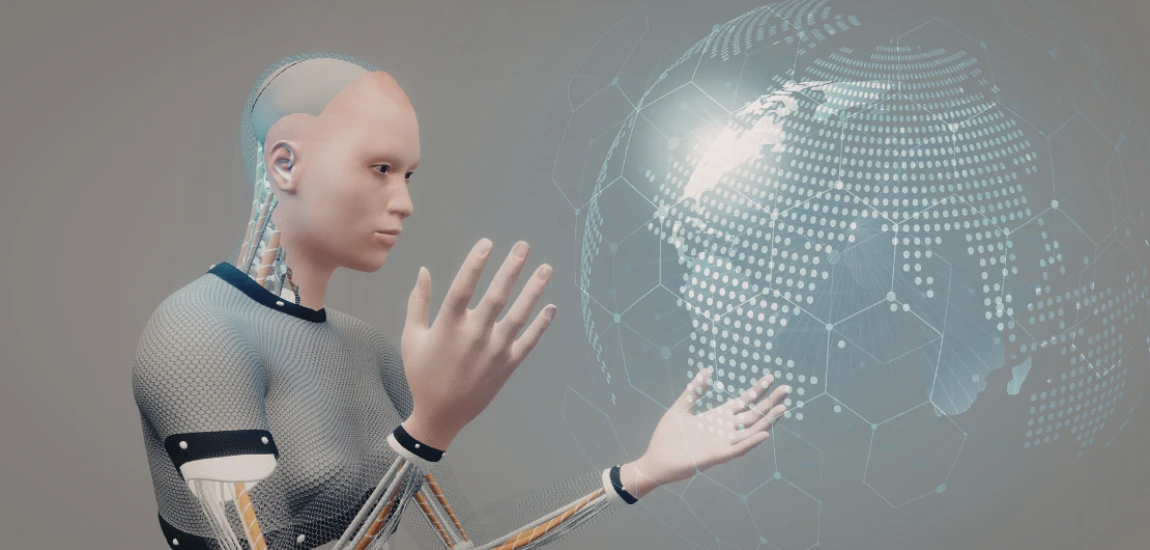
Virtual reality technology has evolved far beyond entertainment and gaming into a powerful digital ecosystem capable of transforming how humans interact with machines and digital environments. Modern intelligent virtual reality systems and immersive human–machine interaction platforms combine artificial intelligence, advanced graphics, motion tracking, and sensory technologies to create highly interactive and realistic experiences. These systems enable users to engage with digital worlds naturally through gestures, voice commands, eye tracking, and adaptive interfaces. As industries increasingly adopt immersive technologies, intelligent VR platforms are revolutionizing healthcare, education, manufacturing, military training, retail, and remote collaboration. By integrating AI-driven personalization and real-time responsiveness, these systems create smarter, more adaptive, and more engaging virtual experiences that blur the boundary between physical and digital interaction.
Understanding Intelligent Virtual Reality Systems

What Are Intelligent Virtual Reality Systems?
Intelligent virtual reality systems are advanced digital environments that combine virtual reality technology with artificial intelligence to create interactive, adaptive, and immersive user experiences. Unlike traditional VR systems that simply simulate environments, intelligent VR systems can analyze user behavior, adapt content dynamically, and provide personalized interactions in real time.
These systems rely on head-mounted displays, motion sensors, haptic devices, and AI algorithms to simulate realistic environments and interactions. Users can explore virtual spaces, manipulate digital objects, and communicate with AI-powered virtual entities naturally.
AI integration allows VR systems to respond intelligently to user actions, making virtual experiences more realistic and engaging. For example, training simulations can adapt difficulty levels based on a user’s performance, while virtual assistants within VR environments can provide contextual guidance and support.
Role of Artificial Intelligence in VR Environments
Artificial intelligence plays a central role in making virtual reality environments more intelligent and adaptive. AI algorithms analyze user movements, preferences, emotional responses, and interaction patterns to personalize the virtual experience.
Machine learning models can generate realistic environments, predict user behavior, and optimize system performance dynamically. AI also supports natural language processing, enabling voice-controlled interactions and communication with virtual characters.
In immersive training applications, AI can simulate realistic human behavior, creating interactive scenarios for education, military exercises, or medical practice. This level of intelligence significantly improves realism and user engagement.
Key Components of Intelligent VR Platforms
Modern intelligent VR systems consist of several integrated technologies, including VR headsets, motion tracking sensors, haptic feedback devices, AI processors, and real-time rendering engines. VR headsets provide immersive visual experiences, while motion tracking systems monitor body movements and gestures.
Haptic devices simulate touch sensations, allowing users to feel virtual objects and interactions. AI processors analyze data and adjust virtual environments based on user behavior. Real-time rendering engines ensure smooth and realistic graphics performance.
Together, these technologies create immersive digital ecosystems capable of supporting advanced human–machine interactions across multiple industries.
Immersive Human–Machine Interaction Platforms Explained

What Are Human–Machine Interaction Platforms?
Immersive human–machine interaction platforms are systems that enable natural and intuitive communication between humans and digital machines through immersive technologies. These platforms combine VR, AI, gesture recognition, voice interfaces, and sensory feedback to create highly interactive digital experiences.
Traditional interfaces such as keyboards and touchscreens are replaced by natural interaction methods like hand gestures, body movement, eye tracking, and speech commands. This allows users to interact with digital systems in ways that closely resemble real-world communication and behavior.
These platforms are increasingly used in training, simulation, healthcare, gaming, and industrial automation because they improve user engagement and operational efficiency.
Real-Time Interaction and Adaptive Interfaces
One of the most important features of immersive interaction platforms is real-time responsiveness. AI-powered systems analyze user behavior instantly and adapt interfaces based on context and interaction patterns.
For example, educational VR platforms can modify lesson difficulty based on student performance, while industrial training simulations can adjust scenarios according to user decisions. Adaptive interfaces create more personalized and efficient experiences for users.
Real-time interaction also enhances accessibility by enabling systems to accommodate different physical abilities, learning styles, and communication preferences.
Sensory Feedback and User Immersion
Immersion is achieved through multi-sensory feedback systems that engage sight, sound, touch, and sometimes even smell. Haptic devices simulate physical sensations, while spatial audio systems create realistic sound environments.
Eye-tracking technologies improve interaction precision and allow systems to respond to user focus and attention. These sensory enhancements make virtual environments feel more realistic and emotionally engaging.
The combination of sensory feedback and AI-driven adaptation significantly improves human–machine interaction quality and realism.
Core Technologies Behind Intelligent VR Systems

Artificial Intelligence and Machine Learning
Artificial intelligence is the foundation of intelligent VR systems. AI algorithms process user data, analyze interaction patterns, and optimize virtual experiences dynamically. Machine learning models improve over time by learning from user behavior and environmental interactions.
Deep learning technologies support facial recognition, gesture interpretation, and voice analysis within VR environments. AI-driven personalization enables systems to create customized experiences for each user.
These technologies make VR environments more interactive, realistic, and capable of autonomous adaptation.
Computer Vision and Motion Tracking
Computer vision systems allow VR platforms to interpret visual information and track user movements accurately. Cameras and depth sensors monitor body posture, hand gestures, and facial expressions in real time.
Motion tracking technologies enable users to move naturally within virtual environments without relying on traditional controllers. This creates more intuitive and immersive experiences.
Advanced tracking systems also improve safety and interaction accuracy in training simulations and industrial applications.
Edge Computing and Real-Time Rendering
Edge computing enables VR systems to process data locally, reducing latency and improving responsiveness. Real-time rendering engines generate high-quality graphics instantly, ensuring smooth and immersive visual experiences.
Low latency is essential in VR applications because delays can reduce immersion and cause motion discomfort. Edge computing also supports multiplayer VR environments and collaborative virtual workspaces.
These technologies ensure that immersive experiences remain responsive and visually realistic.
Applications Across Industries

Healthcare and Medical Training
Intelligent VR systems are transforming healthcare by enabling immersive medical training, surgical simulations, and rehabilitation therapies. Medical students can practice complex procedures in realistic virtual environments without risk to patients.
VR rehabilitation systems help patients recover motor skills through interactive therapy exercises. AI-driven simulations also support mental health treatments such as anxiety and PTSD therapy.
Healthcare VR technologies improve learning outcomes, reduce training costs, and enhance patient care quality.
Education and Interactive Learning
Educational institutions are increasingly using intelligent VR platforms to create immersive learning experiences. Students can explore historical events, scientific concepts, and virtual laboratories interactively.
AI-powered educational systems personalize lessons based on learning pace and engagement levels. This improves knowledge retention and student motivation.
Virtual classrooms also enable remote collaboration and global educational accessibility.
Industrial Training and Remote Collaboration
In industrial environments, VR platforms support employee training, equipment simulation, and remote maintenance operations. Workers can practice hazardous procedures safely within virtual environments before performing real-world tasks.
Remote collaboration tools allow teams to meet and work together in shared virtual spaces regardless of physical location. This improves communication, productivity, and operational efficiency.
Industries such as manufacturing, aerospace, and construction increasingly rely on immersive VR systems for workforce development and project visualization.


Gary Arndt operates "Everything Everywhere," a blog focusing on worldwide travel. An award-winning photographer, Gary shares stunning visuals alongside his travel tales.
Gary Arndt

Prev Post

Next Post