
AI-Powered Smart Transportation Systems and Predictive Urban Mobility Optimization Networks
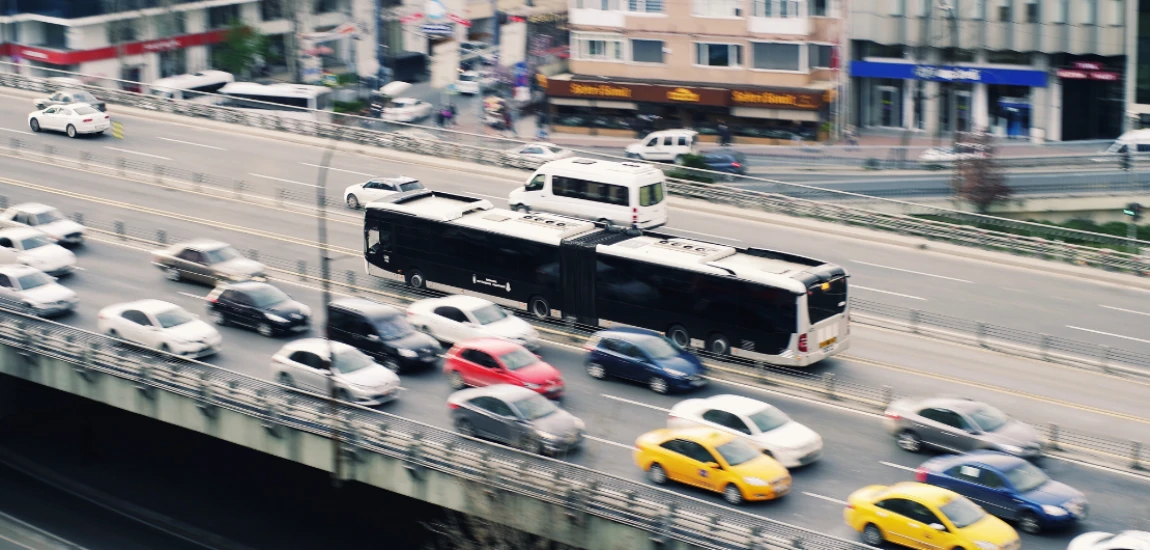
Rapid urbanization and growing population density are placing enormous pressure on transportation systems worldwide. Cities are struggling with traffic congestion, pollution, inefficient public transit, and rising infrastructure demands. To address these challenges, governments and technology companies are investing heavily in AI-powered smart transportation systems and predictive urban mobility optimization networks. These advanced systems use artificial intelligence, machine learning, big data analytics, IoT sensors, and cloud computing to create intelligent transportation ecosystems capable of improving traffic flow, reducing travel times, enhancing public safety, and optimizing urban mobility. Unlike traditional transportation infrastructures, AI-driven mobility systems continuously analyze real-time traffic conditions, predict congestion patterns, automate traffic management operations, and support autonomous vehicle communication. Predictive urban mobility optimization networks further strengthen transportation efficiency by integrating connected vehicles, smart traffic signals, intelligent public transit systems, and dynamic route optimization technologies. As smart cities continue to evolve, AI-powered transportation networks are becoming essential for creating sustainable, efficient, and environmentally friendly urban mobility solutions.
Understanding AI-Powered Smart Transportation Systems

Evolution of Intelligent Transportation Technologies
Transportation systems have evolved dramatically over the last few decades. Traditional traffic management relied primarily on static infrastructure and manual monitoring methods that often struggled to adapt to changing urban conditions. The emergence of artificial intelligence and digital connectivity has transformed transportation into a highly intelligent and adaptive ecosystem.
AI-powered smart transportation systems now collect and process massive volumes of real-time traffic data from cameras, sensors, GPS devices, and connected vehicles. Machine learning algorithms analyze this information to identify traffic patterns, predict congestion, and optimize traffic flow dynamically.
Modern intelligent transportation systems also support vehicle-to-vehicle and vehicle-to-infrastructure communication, enabling faster decision-making and improved road safety. These advancements are helping cities transition toward fully connected smart mobility ecosystems capable of handling future urban transportation demands.
Core Technologies Behind Smart Mobility
Several advanced technologies power AI-driven transportation networks. Artificial intelligence serves as the primary analytical engine responsible for predictive modeling, automated decision-making, and traffic optimization.
IoT-enabled sensors monitor road conditions, vehicle movement, environmental changes, and pedestrian activity in real time. Cloud computing platforms process large-scale transportation data efficiently, while edge computing enables faster local responses for time-sensitive traffic operations.
Big data analytics further improve mobility planning by analyzing long-term transportation trends and identifying infrastructure improvement opportunities. Geographic information systems and digital mapping technologies also enhance route optimization and navigation accuracy.
Autonomous driving technologies, computer vision systems, and AI-based predictive maintenance solutions are becoming increasingly integrated into smart transportation infrastructures, improving both operational efficiency and traveler safety.
Benefits for Urban Environments
AI-powered transportation systems provide numerous advantages for urban environments. Intelligent traffic management reduces congestion, shortens commute times, and lowers fuel consumption. Smart public transportation systems improve scheduling accuracy and enhance passenger experiences.
These technologies also contribute significantly to environmental sustainability by reducing greenhouse gas emissions and optimizing energy usage. Cities adopting AI-driven transportation frameworks experience improved operational efficiency, enhanced public safety, and stronger economic productivity.
The ability to predict transportation demands and respond proactively to traffic conditions helps urban planners design smarter and more resilient mobility infrastructures for growing populations.
Predictive Urban Mobility Optimization Networks

Real-Time Traffic Prediction Systems
Predictive urban mobility optimization networks use AI-driven analytics to forecast traffic congestion, travel demand, and transportation disruptions before they occur. These systems continuously collect data from connected infrastructure, vehicles, mobile applications, and transportation hubs.
Machine learning algorithms identify recurring traffic patterns, seasonal variations, weather-related disruptions, and high-risk congestion zones. Real-time predictive models help traffic control centers adjust signal timing, reroute vehicles, and manage transportation flow more effectively.
Predictive traffic systems also support emergency response operations by identifying the fastest routes for ambulances, fire trucks, and law enforcement vehicles during critical situations.
Such intelligent forecasting capabilities significantly reduce traffic delays and improve overall urban mobility efficiency.
Dynamic Route Optimization
AI-powered route optimization technologies continuously analyze traffic conditions to recommend the most efficient travel routes. Unlike traditional navigation systems, predictive mobility networks consider multiple variables including road congestion, construction zones, weather conditions, accident reports, and public transit availability.
Dynamic route optimization benefits both individual commuters and commercial logistics operations. Delivery companies can minimize transportation costs and improve delivery efficiency through AI-based fleet management systems.
Ride-sharing platforms also rely heavily on predictive mobility algorithms to match passengers efficiently, reduce waiting times, and optimize driver availability. These intelligent routing systems help reduce urban congestion and improve transportation sustainability.
Smart Traffic Signal Coordination
Traffic signal coordination is one of the most important components of predictive urban mobility networks. AI-driven traffic lights adjust signal timing dynamically based on real-time traffic flow and pedestrian activity.
Smart intersections equipped with computer vision and sensor technologies can detect traffic density and prioritize traffic movement accordingly. This reduces unnecessary delays and improves intersection efficiency.
AI-powered traffic management systems also coordinate traffic signals across entire urban regions to maintain smooth transportation flow during peak travel periods. Such synchronization improves fuel efficiency, lowers vehicle emissions, and enhances road safety.
Artificial Intelligence in Public Transportation Systems

Intelligent Public Transit Management
Public transportation systems are becoming increasingly intelligent through the integration of artificial intelligence and predictive analytics. Smart transit systems analyze passenger demand patterns, route performance, and operational conditions in real time.
AI-powered scheduling systems optimize bus, train, and metro frequencies to reduce overcrowding and improve service reliability. Transportation authorities can adjust routes dynamically based on changing commuter demands and traffic conditions.
Real-time passenger information systems further enhance traveler experiences by providing accurate arrival predictions, delay notifications, and route recommendations through mobile applications and smart displays.
These innovations help encourage public transportation adoption while reducing reliance on private vehicles in urban areas.
Predictive Maintenance for Transit Infrastructure
Predictive maintenance technologies play a crucial role in maintaining reliable transportation infrastructure. AI-driven monitoring systems continuously analyze the condition of buses, trains, rail tracks, bridges, and traffic control equipment.
Machine learning algorithms identify early signs of wear, mechanical failures, and infrastructure deterioration before critical breakdowns occur. This proactive maintenance approach reduces operational downtime and improves passenger safety.
Transportation agencies can also optimize maintenance schedules and allocate repair resources more efficiently using predictive analytics. Such capabilities improve infrastructure reliability while reducing long-term maintenance costs.
Passenger Safety and Security Enhancements
Artificial intelligence significantly improves passenger safety within public transportation systems. Computer vision technologies monitor stations, terminals, and vehicles to detect suspicious behavior, overcrowding, or safety hazards.
AI-powered surveillance systems assist security personnel by identifying potential threats and enabling faster emergency responses. Intelligent monitoring also improves operational awareness during large public events and peak travel periods.
Facial recognition technologies, automated emergency communication systems, and smart access control solutions further strengthen transportation security frameworks in modern smart cities.
Autonomous Vehicles and Connected Mobility Ecosystems

Self-Driving Vehicle Technologies
Autonomous vehicles represent one of the most transformative innovations in AI-powered transportation systems. Self-driving cars use artificial intelligence, computer vision, radar sensors, LiDAR systems, and machine learning algorithms to navigate roads independently.
AI-driven autonomous systems continuously analyze road conditions, traffic patterns, and surrounding environments to make real-time driving decisions. These vehicles can reduce human driving errors, improve fuel efficiency, and enhance road safety.
Autonomous transportation technologies are also expected to improve mobility accessibility for elderly individuals and people with disabilities. As self-driving systems become more reliable, they may significantly reduce traffic accidents and transportation costs.
Vehicle-to-Everything Communication
Connected mobility ecosystems rely heavily on vehicle-to-everything communication technologies. These systems enable vehicles to communicate with traffic infrastructure, other vehicles, pedestrians, and centralized transportation platforms.
Real-time communication improves traffic coordination and accident prevention by sharing information about road hazards, sudden braking events, and traffic congestion instantly. AI-powered communication frameworks also support platooning technologies where multiple vehicles travel together efficiently.
Vehicle-to-everything communication enhances autonomous driving performance and contributes to safer, more intelligent transportation environments.
Smart Parking and Urban Accessibility
AI-powered smart parking systems improve urban accessibility by helping drivers locate available parking spaces quickly. Sensors and predictive analytics monitor parking occupancy in real time and guide drivers to nearby spaces through mobile applications.
Smart parking technologies reduce unnecessary driving, lower fuel consumption, and minimize urban congestion caused by parking searches. Automated payment systems and reservation-based parking solutions further improve convenience for drivers.
These systems contribute significantly to efficient urban mobility management and support sustainable transportation initiatives in densely populated cities.


Shivya Nath authors "The Shooting Star," a blog that covers responsible and off-the-beaten-path travel. She writes about sustainable tourism and community-based experiences.
Shivya Nath
Prev Post

Next Post