
Quantum Edge Intelligence Systems and Ultra-Low Latency Distributed Computing Architectures
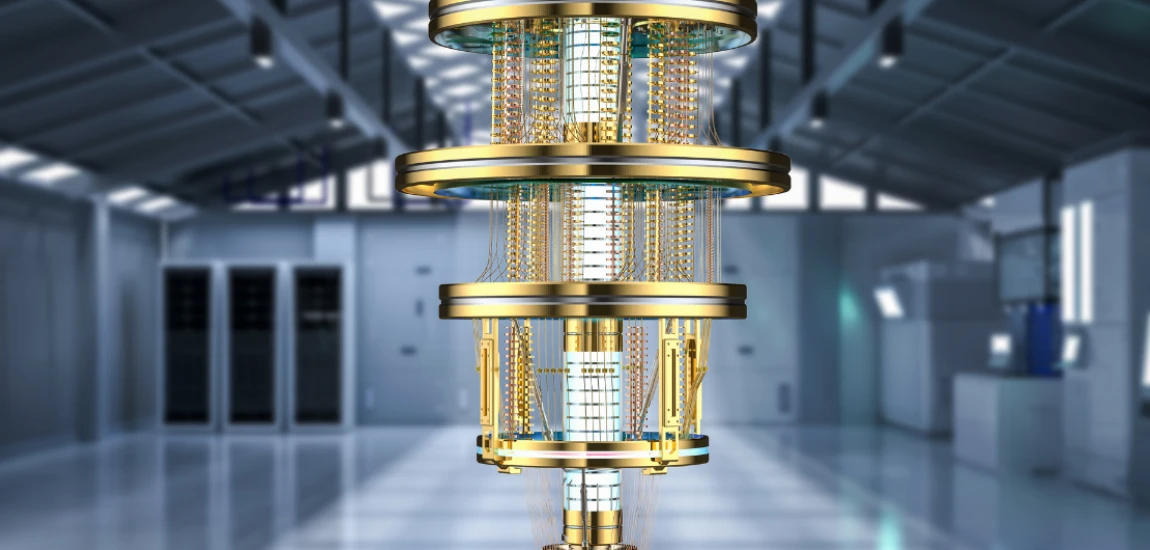
Quantum edge intelligence systems are redefining the future of computing by combining the power of quantum technologies with edge computing to deliver ultra-low latency and real-time decision-making. As industries increasingly rely on rapid data processing—from autonomous vehicles to smart cities—the need for faster, decentralized systems has never been greater. Traditional cloud computing models struggle with latency and bandwidth limitations, which is where distributed architectures enhanced by quantum intelligence come into play. This blog explores how these systems work, their benefits, practical applications, challenges, and future potential in a hyper-connected digital ecosystem.
Understanding Quantum Edge Intelligence Systems

The Concept of Quantum Computing at the Edge
Quantum edge intelligence systems merge quantum computing principles with edge computing frameworks. Quantum computing leverages qubits, superposition, and entanglement to process complex computations exponentially faster than classical systems. When this power is brought closer to data sources—such as IoT devices or local edge servers—it minimizes the need for data to travel long distances to centralized cloud servers.
This localized processing allows organizations to analyze and act on data in real time. For example, in industrial automation, sensors can instantly detect anomalies and trigger responses without relying on distant data centers. This drastically reduces latency and enhances operational efficiency.
Integration with Edge Intelligence
Edge intelligence refers to deploying AI models directly on edge devices. When combined with quantum capabilities, it unlocks new levels of computational performance. Quantum-enhanced AI algorithms can process massive datasets faster, enabling quicker insights and predictions.
This integration ensures that critical applications—like healthcare monitoring systems or autonomous driving technologies—can operate seamlessly even in environments with limited connectivity. The synergy between quantum computing and edge intelligence forms the backbone of next-generation distributed computing architectures.
Key Components of the System
Quantum edge intelligence systems rely on several components, including quantum processors, edge nodes, AI models, and communication networks. Quantum processors handle complex computations, while edge nodes facilitate data collection and processing.
Additionally, advanced networking technologies such as 5G and future 6G infrastructures play a vital role in ensuring seamless communication between distributed nodes. These components work together to create a highly efficient, low-latency ecosystem capable of supporting demanding applications.
The Role of Ultra-Low Latency in Distributed Computing

Why Latency Matters in Modern Applications
Latency refers to the delay between data input and system response. In applications like autonomous vehicles, financial trading, and remote surgery, even milliseconds of delay can lead to significant consequences.
Ultra-low latency is essential for ensuring real-time responsiveness. Quantum edge intelligence systems address this challenge by processing data closer to its source, eliminating the need for long-distance data transmission.
Distributed Computing Architecture Explained
Distributed computing involves spreading computational tasks across multiple nodes instead of relying on a single centralized system. This architecture improves scalability, reliability, and performance.
When combined with quantum edge intelligence, distributed systems can handle complex workloads more efficiently. Each node processes data independently while contributing to the overall system performance, reducing bottlenecks and enhancing speed.
Achieving Near-Instant Data Processing
Quantum algorithms enable faster data processing compared to classical approaches. When deployed at the edge, these algorithms can analyze data almost instantly, enabling real-time decision-making.
For instance, in smart traffic systems, edge nodes can analyze traffic patterns and adjust signals dynamically to reduce congestion. This level of responsiveness is only possible through ultra-low latency distributed architectures powered by quantum intelligence.
Core Technologies Driving Quantum Edge Systems

Quantum Hardware and Processors
Quantum hardware is the foundation of these systems. Advanced quantum processors use qubits to perform calculations that are infeasible for classical computers. These processors are becoming increasingly compact, making it possible to deploy them at the edge.
While still in the early stages of development, quantum hardware is rapidly evolving. Innovations in error correction and stability are making these systems more reliable and practical for real-world applications.
Artificial Intelligence and Machine Learning Integration
AI and machine learning play a critical role in quantum edge intelligence systems. AI models are deployed at edge nodes to analyze data and make decisions in real time.
Quantum machine learning algorithms further enhance this capability by accelerating training and inference processes. This combination enables systems to learn from data more efficiently and adapt to changing conditions.
Advanced Networking and Connectivity
High-speed networks such as 5G are essential for enabling seamless communication between distributed nodes. These networks provide the bandwidth and reliability needed for real-time data transmission.
Future advancements in networking technologies will further enhance the capabilities of quantum edge systems. Low-latency communication ensures that data flows efficiently across the network, supporting critical applications without delays.
Applications Across Industries

Smart Cities and Urban Infrastructure
Quantum edge intelligence systems are transforming smart cities by enabling real-time monitoring and management of urban infrastructure. From traffic control to energy management, these systems improve efficiency and sustainability.
Edge nodes equipped with quantum intelligence can process data from sensors across the city, providing instant insights and enabling proactive decision-making.
Healthcare and Medical Technologies
In healthcare, ultra-low latency systems are critical for applications like remote surgery and patient monitoring. Quantum edge intelligence enables real-time analysis of medical data, improving diagnosis and treatment outcomes.
Wearable devices and medical sensors can process data locally, ensuring timely alerts and reducing reliance on centralized systems.
Autonomous Systems and Transportation
Autonomous vehicles rely on real-time data processing to navigate safely. Quantum edge intelligence systems provide the computational power needed to analyze sensor data instantly.
This ensures that vehicles can make split-second decisions, enhancing safety and performance. Similar applications can be seen in drones and robotics, where real-time responsiveness is crucial.


Kate McCulley, the voice behind "Adventurous Kate," provides travel advice tailored for women. Her blog encourages safe and adventurous travel for female readers.
Kate McCulley

Prev Post

Next Post