
Autonomous Underwater Transportation Systems and Smart Ocean Mobility Architectures
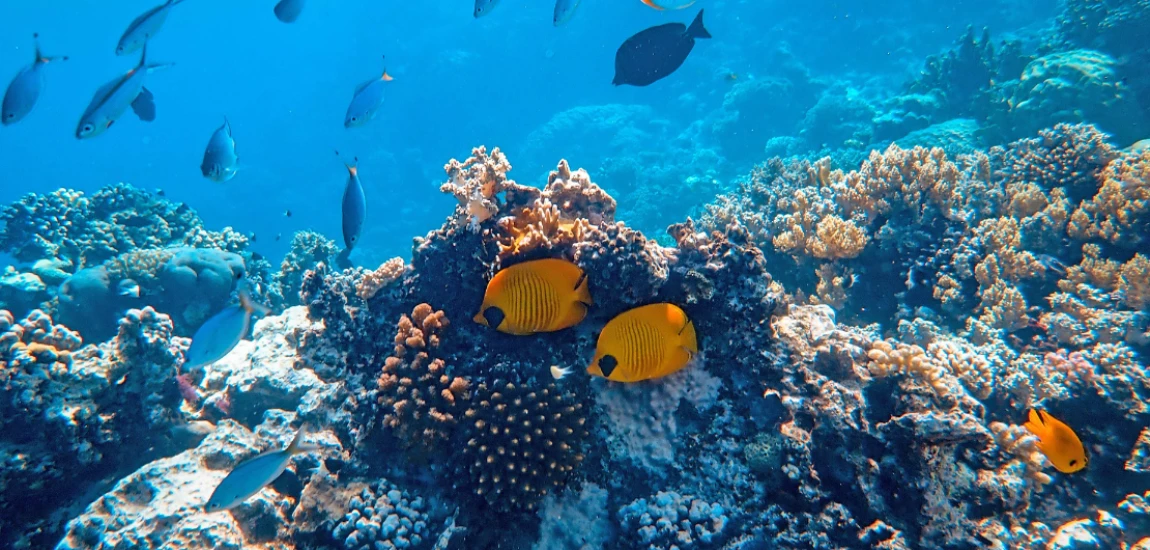
The world’s oceans cover more than seventy percent of the Earth’s surface and play a critical role in global trade, environmental balance, scientific exploration, and resource management. Despite rapid advancements in land and air transportation technologies, underwater mobility systems remain relatively underdeveloped compared to other transportation sectors. However, emerging innovations in artificial intelligence, robotics, autonomous navigation, and smart marine infrastructure are now transforming the future of ocean transportation.
Autonomous underwater transportation systems represent a new era of intelligent marine mobility where AI-powered submarines, robotic cargo vessels, underwater drones, and smart transit networks operate with minimal human intervention. These advanced systems are designed to improve efficiency, reduce environmental impact, and support safer underwater operations across commercial, scientific, military, and industrial applications.
Smart ocean mobility architectures go beyond individual autonomous vehicles. They involve interconnected marine ecosystems powered by AI-driven communication networks, underwater sensors, predictive analytics, and automated infrastructure management platforms. These intelligent architectures aim to optimize underwater logistics, maritime navigation, ocean monitoring, and deep-sea exploration on a global scale.
As climate change, urbanization, and global trade continue influencing transportation demands, underwater mobility technologies may become increasingly important for sustainable logistics, marine conservation, offshore industries, and future smart coastal cities.
Understanding Autonomous Underwater Transportation Systems

The Core Technology Behind Autonomous Marine Mobility
Autonomous underwater transportation systems combine artificial intelligence, advanced robotics, sensor fusion, machine learning, and underwater communication technologies to create self-operating marine vehicles capable of navigating complex ocean environments independently.
Unlike traditional submarines or remotely operated underwater vehicles, autonomous systems can analyze environmental conditions, avoid obstacles, optimize navigation routes, and complete missions without continuous human control. AI algorithms process real-time data collected from sonar systems, underwater cameras, pressure sensors, and oceanographic monitoring equipment.
Machine learning enables these systems to adapt dynamically to changing ocean currents, weather conditions, and underwater terrain. Over time, autonomous underwater vehicles become increasingly efficient through continuous environmental learning and predictive analysis.
These intelligent mobility systems are designed for various applications including cargo transportation, underwater tourism, military surveillance, scientific exploration, and offshore infrastructure maintenance.
Smart Navigation and Autonomous Decision-Making
One of the most important features of autonomous underwater transportation is intelligent navigation. Ocean environments are highly unpredictable, with varying water pressure, visibility limitations, shifting currents, and natural obstacles.
AI-powered navigation systems use real-time environmental mapping and predictive analytics to determine the safest and most efficient routes underwater. Autonomous vehicles can identify underwater hazards, optimize fuel consumption, and avoid collisions with marine life or infrastructure.
Advanced neural networks also support autonomous decision-making during emergencies. If communication with control centers is interrupted, underwater systems can continue operating independently while maintaining mission objectives and safety protocols.
These capabilities significantly improve operational reliability in deep-sea and long-distance underwater transportation missions.
Evolution Beyond Traditional Marine Transportation
Traditional marine transportation systems rely heavily on human operators and surface-level infrastructure. Autonomous underwater mobility introduces a more efficient and technologically advanced approach to ocean transportation.
Underwater cargo networks could reduce shipping congestion in busy maritime routes while minimizing exposure to severe weather conditions. Intelligent marine mobility systems may also support faster intercontinental transport through submerged high-speed transit corridors.
This technological evolution could redefine global logistics and create entirely new transportation ecosystems beneath the ocean surface.
Smart Ocean Mobility Architectures

Building Intelligent Marine Infrastructure Ecosystems
Smart ocean mobility architectures are designed to integrate autonomous vehicles, underwater communication networks, marine energy systems, and environmental monitoring platforms into interconnected intelligent ecosystems.
These architectures rely on AI-powered infrastructure management systems capable of coordinating transportation routes, monitoring ocean conditions, and optimizing resource allocation across large marine regions.
Smart marine infrastructures may include underwater docking stations, autonomous charging platforms, oceanic sensor grids, and AI-controlled navigation corridors that support continuous underwater transportation operations.
Interconnected mobility ecosystems improve operational efficiency while reducing maintenance costs and environmental risks.
AI-Driven Ocean Traffic Management
As underwater transportation expands, managing marine traffic efficiently becomes increasingly important. AI-driven traffic management systems can monitor the movement of autonomous submarines, underwater cargo vessels, and robotic exploration units in real time.
Machine learning algorithms analyze traffic patterns, environmental conditions, and infrastructure availability to optimize underwater route planning and reduce congestion.
These intelligent systems can also prevent collisions, improve fuel efficiency, and coordinate emergency responses during unexpected situations. Real-time traffic optimization enhances safety while maximizing transportation performance.
Integrated Environmental Monitoring Systems
Smart ocean mobility architectures are closely connected to environmental monitoring technologies. Underwater transportation systems can collect valuable data regarding ocean temperatures, pollution levels, marine biodiversity, and climate patterns.
AI-powered monitoring platforms continuously analyze environmental conditions and adjust transportation operations to minimize ecological disruption. Autonomous systems may avoid sensitive marine habitats or reroute operations during dangerous weather conditions.
This integration supports both sustainable transportation development and marine conservation initiatives simultaneously.
The Role of Artificial Intelligence in Underwater Transportation

Machine Learning and Adaptive Marine Navigation
Artificial intelligence enables underwater transportation systems to adapt dynamically to changing ocean conditions. Machine learning algorithms analyze historical navigation data, current patterns, and environmental variables to improve operational efficiency continuously.
Adaptive navigation systems can predict underwater obstacles, optimize speed, and reduce energy consumption based on real-time oceanographic information. These intelligent systems improve mission success rates while minimizing operational risks.
AI also supports autonomous maintenance scheduling by identifying equipment wear and predicting mechanical failures before breakdowns occur.
Autonomous Fleet Coordination Systems
Future underwater transportation networks may involve coordinated fleets of autonomous marine vehicles operating collectively across global ocean routes.
AI-powered fleet management systems can distribute tasks intelligently, optimize cargo transportation schedules, and coordinate large-scale underwater logistics operations autonomously.
Distributed AI coordination improves scalability while reducing dependency on centralized human control. Fleet-based systems may eventually support fully autonomous global shipping and deep-sea industrial operations.
Real-Time Communication and Data Processing
Communication remains one of the biggest challenges in underwater transportation due to limitations in radio signal transmission beneath water. AI-enhanced acoustic communication systems and underwater optical networking technologies are helping address these challenges.
Intelligent communication platforms can prioritize critical data transmission, optimize signal routing, and maintain stable connectivity between underwater vehicles and control centers.
Edge AI processing also allows autonomous systems to analyze data locally instead of relying entirely on remote cloud infrastructure, improving responsiveness in deep-sea environments.
Applications of Autonomous Underwater Mobility Systems

Commercial Shipping and Cargo Transportation
Global shipping industries may benefit significantly from autonomous underwater cargo systems capable of reducing transportation delays and improving logistics efficiency.
Submerged transportation routes can avoid surface congestion, piracy risks, and severe weather disruptions that commonly affect traditional maritime shipping.
AI-powered underwater cargo vessels may transport goods faster and more sustainably while reducing fuel consumption and operational costs.
Future underwater freight corridors could become essential components of global trade infrastructure.
Deep-Sea Exploration and Scientific Research
Autonomous underwater vehicles are increasingly important for deep-sea exploration and scientific discovery. These systems can operate in extreme environments inaccessible to human divers or traditional equipment.
AI-driven exploration systems can map ocean floors, study marine ecosystems, and analyze underwater geological structures with exceptional precision.
Scientific institutions may use intelligent underwater fleets for climate monitoring, biodiversity research, and oceanographic data collection on a global scale.
Offshore Energy and Infrastructure Maintenance
Offshore oil platforms, underwater pipelines, renewable energy farms, and communication cables require continuous monitoring and maintenance.
Autonomous underwater robots equipped with AI inspection systems can detect structural damage, corrosion, and equipment failures before they become critical problems.
These intelligent maintenance systems improve operational safety while reducing the need for expensive human diving operations in hazardous environments.


Derek Baron, also known as "Wandering Earl," offers an authentic look at long-term travel. His blog contains travel stories, tips, and the realities of a nomadic lifestyle.
Derek Baron

Prev Post

Next Post