
AI-Powered Agriculture Intelligence Systems: Smart Crop Monitoring Architectures Explained
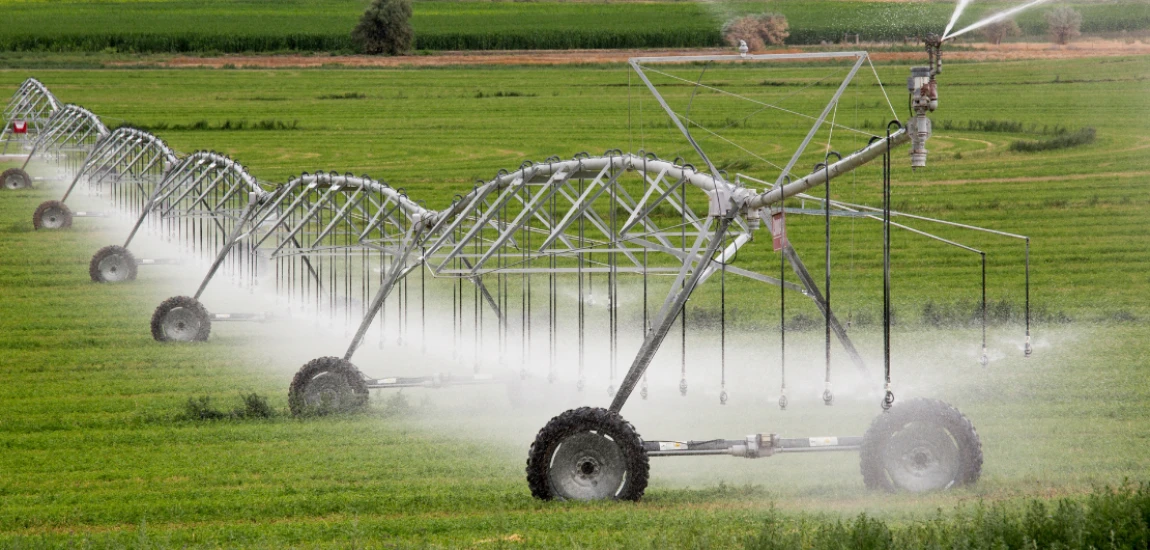
Agriculture is undergoing a technological revolution, and AI-Powered Agriculture Intelligence Systems are at the center of this transformation. With increasing global food demand, climate variability, and resource constraints, traditional farming methods are no longer sufficient to ensure productivity and sustainability. Smart Crop Monitoring Architectures powered by artificial intelligence, machine learning, IoT sensors, and satellite data enable farmers to make data-driven decisions in real time. These systems analyze soil conditions, weather patterns, crop health, and pest activity to optimize farming practices. By integrating intelligent automation and predictive analytics, AI is helping farmers increase crop yields, reduce resource wastage, and improve overall efficiency. As digital agriculture continues to evolve, these systems are becoming essential tools for modern farming and food security.
Introduction to AI-Powered Agriculture Intelligence Systems

Understanding Smart Agriculture Technologies
AI-Powered Agriculture Intelligence Systems refer to advanced technological frameworks that use artificial intelligence and data analytics to optimize agricultural processes. These systems go beyond traditional farming by incorporating digital tools such as sensors, drones, and predictive algorithms.
Smart agriculture technologies enable farmers to monitor crops, soil, and environmental conditions in real time. This allows for precise decision-making, improving efficiency and reducing waste.
These systems also support automation, reducing the need for manual labor and increasing productivity across large-scale farming operations.
Evolution of Agricultural Practices
Agriculture has evolved from manual labor-intensive practices to mechanized farming and now to digital agriculture. Early advancements introduced machinery such as tractors and irrigation systems, which improved productivity.
The integration of data analytics and AI represents the next phase of evolution. Modern systems can analyze vast datasets, predict outcomes, and provide actionable insights.
This shift towards intelligent farming is driven by the need for sustainability and efficiency in the face of global challenges.
Importance in Global Food Security
AI-powered agriculture systems play a crucial role in ensuring food security. With the global population increasing, there is a growing demand for food production.
These systems help maximize crop yields while minimizing resource usage. They also enable farmers to adapt to changing environmental conditions, ensuring consistent production.
Core Architecture of Smart Crop Monitoring Systems

Sensor Networks and Data Collection
Smart crop monitoring systems rely on a network of sensors that collect data on soil moisture, temperature, humidity, and nutrient levels. These sensors provide real-time insights into field conditions.
Data is continuously transmitted to central systems for analysis, enabling farmers to monitor crops remotely.
This real-time data collection ensures timely interventions and improved crop management.
AI and Predictive Analytics Models
Artificial intelligence and predictive analytics are at the heart of smart agriculture systems. Machine learning models analyze historical and real-time data to predict crop growth, yield, and potential risks.
These models can identify patterns and trends that are not visible to the human eye, enabling proactive decision-making.
Predictive analytics also helps in optimizing planting schedules and resource allocation.
Cloud Computing and Data Integration
Cloud computing enables the storage and processing of large volumes of agricultural data. It allows farmers to access insights from anywhere, improving flexibility and decision-making.
Integration with other systems such as weather forecasting and market data provides a comprehensive view of agricultural operations.
This creates a connected ecosystem for efficient farm management.
Key Benefits of AI-Powered Agriculture Intelligence Systems

Increased Crop Yield and Productivity
One of the most significant benefits of AI-powered systems is increased crop yield. By analyzing data and optimizing farming practices, these systems help maximize productivity.
Farmers can identify the best conditions for growth and adjust their strategies accordingly.
Resource Optimization and Cost Efficiency
AI systems help optimize the use of resources such as water, fertilizers, and pesticides. This reduces waste and lowers operational costs.
Efficient resource management also contributes to environmental sustainability.
Real-Time Monitoring and Decision-Making
Real-time monitoring enables farmers to make quick and informed decisions. This is particularly important in managing risks such as pests, diseases, and weather changes.
Timely interventions improve crop health and reduce losses.
Challenges and Limitations in Smart Agriculture

High Initial Investment
Implementing AI-powered agriculture systems requires significant investment in technology and infrastructure. This can be a barrier for small-scale farmers.
Affordable solutions and government support are needed to promote adoption.
Data Accuracy and Reliability
The effectiveness of these systems depends on the accuracy of data collected. Inaccurate data can lead to incorrect decisions and reduced efficiency.
Ensuring reliable data collection is essential for success.
Technical Knowledge and Training
Farmers need to understand how to use advanced technologies effectively. Lack of technical knowledge can limit the benefits of AI systems.
Training programs and user-friendly interfaces can help overcome this challenge.


Kate McCulley, the voice behind "Adventurous Kate," provides travel advice tailored for women. Her blog encourages safe and adventurous travel for female readers.
Kate McCulley

Prev Post

Next Post