
AI-Powered Smart Energy Intelligence Systems and Sustainable Grid Optimization Platforms
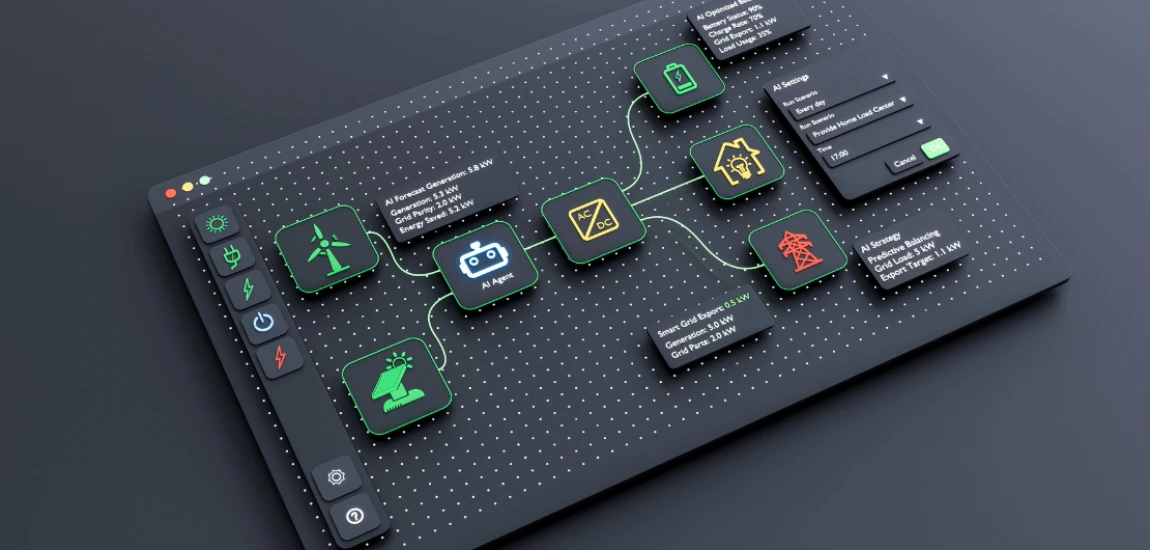
The global energy sector is experiencing a major transformation driven by artificial intelligence, renewable energy adoption, and digital infrastructure modernization. Traditional power grids, once designed for one-way energy flow, are now under pressure due to increasing demand, decentralized energy production, and climate change challenges. To address these complexities, AI-powered smart energy intelligence systems and sustainable grid optimization platforms have emerged as revolutionary solutions. These systems use advanced AI algorithms, real-time analytics, and IoT-enabled devices to optimize energy generation, distribution, and consumption. They help utilities, governments, and industries build smarter, cleaner, and more resilient energy ecosystems. This blog explores how these systems work, their core technologies, applications, challenges, and future potential in reshaping global energy infrastructure.
Understanding AI-Powered Smart Energy Intelligence Systems

What Are Smart Energy Intelligence Systems
AI-powered smart energy intelligence systems are advanced digital platforms that use artificial intelligence and machine learning to monitor, analyze, and optimize energy systems. These platforms collect real-time data from smart meters, sensors, and grid infrastructure to provide actionable insights into energy usage patterns. By analyzing this data, they help utilities and consumers make more efficient energy decisions.
Unlike traditional energy management systems, these intelligent platforms are adaptive and self-learning. They continuously improve their performance by analyzing historical and real-time data, enabling predictive forecasting and automated optimization of energy resources.
Evolution of Energy Intelligence Systems
Energy management systems have evolved significantly over the past few decades. Initially, energy grids were manually controlled with limited visibility into consumption patterns. With the introduction of digital monitoring systems, efficiency improved, but decision-making remained largely reactive.
The integration of artificial intelligence, IoT, and cloud computing has transformed energy systems into intelligent networks. Today, AI-powered systems can predict demand fluctuations, detect inefficiencies, and automatically adjust energy distribution in real time.
Importance in Modern Energy Infrastructure
Modern energy infrastructure requires flexibility, scalability, and sustainability. AI-powered smart energy intelligence systems help achieve these goals by enabling real-time monitoring, predictive analytics, and automated decision-making. They play a crucial role in reducing energy waste, lowering costs, and supporting renewable energy integration.
Sustainable Grid Optimization Platforms

What Are Grid Optimization Platforms
Sustainable grid optimization platforms are AI-driven systems designed to manage and optimize electricity grids efficiently. These platforms analyze real-time data from energy networks to ensure balanced distribution and minimize energy loss. They are essential for maintaining grid stability in complex, decentralized energy systems.
These platforms integrate renewable energy sources such as solar and wind into the grid, ensuring smooth energy flow despite fluctuations in generation.
Role of Real-Time Energy Data
Real-time data is the backbone of grid optimization. Smart sensors and IoT devices continuously collect data on energy production, consumption, and transmission. AI algorithms process this data instantly to detect inefficiencies and optimize grid performance.
This enables utilities to respond dynamically to changes in demand and supply, preventing outages and improving reliability.
Benefits of Grid Optimization Systems
Grid optimization platforms provide numerous benefits, including improved energy efficiency, reduced operational costs, and enhanced system reliability. They also support decarbonization efforts by enabling better integration of renewable energy sources and reducing dependency on fossil fuels.
Core Technologies Behind Smart Energy Systems

Artificial Intelligence and Predictive Analytics
Artificial intelligence is the foundation of smart energy systems. Machine learning models analyze vast amounts of energy data to identify patterns, predict demand, and optimize distribution. Predictive analytics helps utilities anticipate energy needs and prevent overloads.
These models continuously learn and adapt, improving accuracy over time and enabling more efficient energy management.
Internet of Things (IoT) and Smart Sensors
IoT devices and smart sensors play a critical role in data collection. They monitor energy consumption, grid performance, and environmental conditions in real time. This data is transmitted to centralized systems for analysis and optimization.
IoT integration enables seamless communication between energy devices and control systems, ensuring efficient grid operation.
Cloud Computing and Big Data Processing
Cloud computing provides the infrastructure needed to store and process massive volumes of energy data. Big data analytics tools extract meaningful insights from this information, enabling better decision-making and system optimization.
Applications in the Energy Ecosystem

Renewable Energy Integration
AI-powered systems are essential for integrating renewable energy sources into the grid. They help manage the variability of solar and wind energy by predicting generation patterns and balancing supply and demand effectively.
Smart Cities and Urban Energy Management
In smart cities, AI-driven energy systems optimize electricity usage across buildings, transportation, and infrastructure. This leads to reduced energy consumption and improved sustainability in urban environments.
Industrial Energy Optimization
Industries use smart energy systems to monitor and optimize energy usage in real time. This reduces operational costs, improves efficiency, and supports sustainability goals.


Gary Arndt operates "Everything Everywhere," a blog focusing on worldwide travel. An award-winning photographer, Gary shares stunning visuals alongside his travel tales.
Gary Arndt

Prev Post

Next Post