
Brain–Computer Interface Intelligence Systems: Neural Signal Processing Frameworks Explained
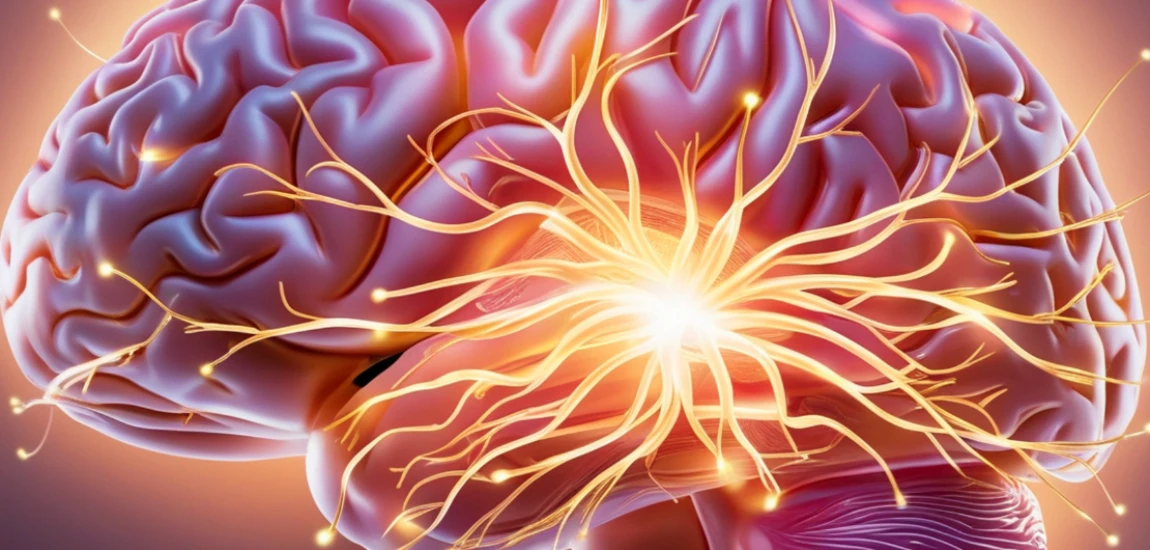
Brain–Computer Interface Intelligence Systems (BCIs) are at the forefront of technological innovation, bridging the gap between the human brain and digital systems. These advanced frameworks use neural signal processing to interpret brain activity and translate it into actionable commands for computers and machines. From enabling paralyzed individuals to control prosthetic limbs to enhancing human cognition and communication, BCIs are revolutionizing multiple industries. Powered by artificial intelligence, machine learning, and advanced neuroscience, these systems analyze complex neural data in real time, unlocking new possibilities for human–machine interaction. As research and development continue to evolve, neural signal processing frameworks are becoming more accurate, efficient, and accessible, paving the way for a future where the mind can seamlessly interact with technology.
Introduction to Brain–Computer Interface Intelligence Systems

Understanding Brain–Computer Interfaces
Brain–Computer Interface Intelligence Systems are technologies that establish a direct communication pathway between the human brain and external devices. These systems capture neural signals, process them, and convert them into commands that machines can understand.
Unlike traditional input methods such as keyboards or touchscreens, BCIs rely on brain activity, enabling hands-free and even speech-free interaction. This makes them particularly valuable for individuals with physical disabilities.
BCIs can be invasive, semi-invasive, or non-invasive, depending on how neural signals are captured. Non-invasive methods like EEG are widely used due to their safety and accessibility.
Evolution of Neural Interface Technologies
The development of BCIs has progressed significantly over the past few decades. Early systems were limited in accuracy and required extensive calibration.
Advancements in neuroscience, sensor technology, and AI have improved signal acquisition and interpretation. Modern systems can process complex neural patterns with greater precision and speed.
The integration of machine learning has enabled BCIs to adapt to individual users, improving performance over time.
Importance in Modern Technology
Brain–Computer Interface Intelligence Systems are transforming fields such as healthcare, gaming, and communication. They provide new ways for humans to interact with technology, enhancing accessibility and efficiency.
As these systems become more advanced, they are expected to play a key role in future human–machine integration.
Core Architecture of Neural Signal Processing Frameworks

Signal Acquisition Techniques
Neural signal processing begins with the acquisition of brain signals using sensors such as EEG, MEG, or implanted electrodes. These sensors capture electrical activity generated by neurons.
The quality of signal acquisition is critical for accurate interpretation. Noise reduction and signal amplification techniques are used to improve data quality.
Different acquisition methods offer varying levels of accuracy, invasiveness, and cost.
Signal Processing and Feature Extraction
Once signals are captured, they undergo processing to remove noise and extract meaningful features. Techniques such as filtering, normalization, and transformation are used to prepare the data.
Feature extraction identifies patterns in neural signals that correspond to specific actions or intentions. This step is essential for accurate interpretation.
Advanced algorithms ensure that relevant information is retained while irrelevant data is discarded.
Machine Learning and Decision Models
Machine learning models analyze processed neural data to predict user intent. These models are trained on labeled datasets and continuously updated to improve accuracy.
Deep learning techniques enable systems to recognize complex patterns and adapt to individual users.
Decision models translate predictions into actionable commands for external devices.
Key Benefits of Brain–Computer Interface Intelligence Systems

Enhanced Accessibility and Rehabilitation
One of the most significant benefits of BCIs is improved accessibility for individuals with disabilities. These systems enable users to control devices, communicate, and perform tasks using only their thoughts.
In rehabilitation, BCIs are used to help patients recover motor functions by retraining neural pathways.
This has a profound impact on quality of life.
Improved Human–Machine Interaction
BCIs provide a more natural and intuitive way to interact with technology. By eliminating the need for physical input devices, they streamline communication between humans and machines.
This enhances efficiency and opens new possibilities for innovation.
Advancements in Cognitive Enhancement
BCIs are also being explored for cognitive enhancement, such as improving memory, focus, and learning capabilities.
These applications have the potential to revolutionize education and professional training.
Challenges and Limitations in BCI Implementation

Signal Noise and Accuracy Issues
Neural signals are often weak and susceptible to noise, making accurate interpretation challenging. External factors such as movement and environmental interference can affect signal quality.
Improving signal clarity is a major focus of ongoing research.
Ethical and Privacy Concerns
BCIs involve direct access to brain data, raising significant ethical and privacy concerns. Ensuring that this data is protected and used responsibly is critical.
Clear regulations are needed to address these issues.
High Costs and Technical Complexity
Developing and deploying BCI systems requires advanced technology and expertise, making them expensive and complex.
Reducing costs and improving accessibility are key challenges for widespread adoption.


Ben Schlappig runs "One Mile at a Time," focusing on aviation and frequent flying. He offers insights on maximizing travel points, airline reviews, and industry news.
Ben Schlappig
Prev Post

Next Post