
AI-Orchestrated Smart Energy Grids and Autonomous Power Optimization Systems: Powering the Future of Intelligent Energy
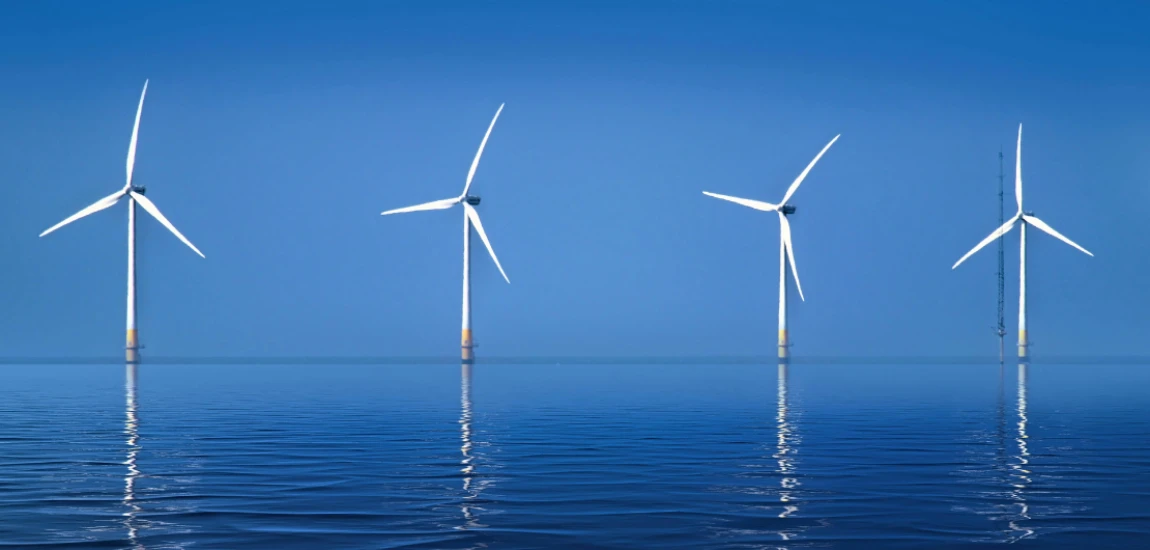
The global energy landscape is undergoing a profound transformation driven by artificial intelligence, automation, and digital infrastructure. Traditional power grids were designed for one-way electricity flow—from centralized power plants to consumers. However, modern energy demands, renewable energy integration, and increasing consumption complexity require a far more intelligent and adaptive system.
AI-orchestrated smart energy grids represent the next evolution of power infrastructure. These systems use artificial intelligence to monitor, analyze, and optimize electricity distribution in real time. Instead of relying on static grid management, AI enables dynamic decision-making that balances supply and demand efficiently across entire networks.
Autonomous power optimization systems complement smart grids by automatically adjusting energy production, storage, and distribution based on real-time conditions. They integrate renewable energy sources, battery storage systems, and consumer usage patterns to ensure maximum efficiency and minimal waste.
Together, these technologies are redefining how energy is produced, distributed, and consumed. They are essential for achieving sustainability goals, reducing carbon emissions, and ensuring reliable electricity access in an increasingly digital world.
This blog explores the structure, technologies, benefits, applications, challenges, and future trends of AI-driven smart energy systems.
Understanding AI-Orchestrated Smart Energy Grids

Core Definition and System Architecture
AI-orchestrated smart energy grids are advanced electrical networks that use artificial intelligence to manage and optimize electricity flow across generation, transmission, and distribution systems. Unlike traditional grids, which operate on fixed schedules and manual control, smart grids continuously analyze real-time data to make intelligent adjustments.
These systems integrate sensors, smart meters, IoT devices, and AI algorithms to create a fully connected energy ecosystem. The grid constantly monitors energy demand, supply fluctuations, and infrastructure performance to maintain stability.
The orchestration aspect refers to the coordination of multiple energy sources—such as solar, wind, hydro, and conventional power plants—into a unified system that operates efficiently and autonomously.
Real-Time Monitoring and Adaptive Control Systems
One of the most important features of smart grids is real-time monitoring. Sensors across the grid collect data on voltage levels, energy consumption, transmission losses, and equipment health.
AI systems analyze this data instantly and adjust energy flow to prevent overloads, outages, or inefficiencies. For example, during peak demand hours, the system can reroute power from storage facilities or alternative sources to maintain balance.
This adaptive control ensures continuous stability and reduces the risk of blackouts.
Role in Modern Energy Infrastructure
Smart grids are becoming essential for modern energy systems due to increasing demand and the integration of renewable energy sources. They enable decentralized energy production, where households and businesses can generate and contribute power back to the grid.
This creates a more flexible, resilient, and sustainable energy ecosystem.
Autonomous Power Optimization Systems Explained

Definition and Functional Overview
Autonomous power optimization systems are AI-driven platforms that automatically manage energy production, storage, and distribution. These systems make real-time decisions without human intervention to optimize energy efficiency and reduce waste.
They analyze consumption patterns, weather conditions, and grid performance to determine the most efficient way to allocate power.
How Optimization Algorithms Work
These systems use advanced machine learning algorithms and predictive analytics to forecast energy demand and supply. Based on these predictions, they adjust power generation and distribution strategies.
For example, if a surge in electricity demand is expected, the system can pre-activate backup generators or draw from stored energy reserves.
Integration with Renewable Energy Sources
Autonomous systems play a crucial role in integrating renewable energy sources such as solar and wind power. Since these sources are intermittent, AI helps balance fluctuations by predicting energy output and adjusting grid operations accordingly.
This ensures consistent energy supply even when renewable generation varies.
Core Technologies Behind Smart Energy Systems

Artificial Intelligence and Predictive Analytics
AI is the foundation of smart energy systems. Machine learning models analyze historical and real-time data to predict energy demand and optimize distribution strategies.
Predictive analytics helps anticipate peak usage times and prevent grid instability.
Internet of Things (IoT) and Smart Sensors
IoT devices play a key role in collecting real-time data from across the energy grid. Smart meters, transformers, and substations continuously transmit information about energy usage and system health.
This data enables precise monitoring and control of the entire grid.
Cloud Computing and Edge Processing Systems
Cloud computing provides the infrastructure needed to process large-scale energy data. Edge computing ensures real-time decision-making by processing data closer to its source.
Together, they enable fast, scalable, and efficient energy management.
Benefits of AI-Orchestrated Smart Energy Grids

Improved Energy Efficiency and Reduced Waste
Smart grids optimize energy distribution, reducing transmission losses and unnecessary consumption. This leads to significantly improved efficiency across the entire system.
Enhanced Grid Stability and Reliability
AI systems detect potential faults and imbalances before they occur, ensuring stable energy supply and reducing the risk of outages.
Environmental Sustainability and Carbon Reduction
By integrating renewable energy and optimizing consumption, smart grids help reduce carbon emissions and support global sustainability goals.


Known as "Nomadic Matt," Matthew Kepnes offers practical travel advice with a focus on budget backpacking. His blog aims to help people travel cheaper and longer.
Matthew Kepnes

Prev Post

Next Post