
AI-Enhanced Space Navigation Systems and Autonomous Interplanetary Mission Frameworks
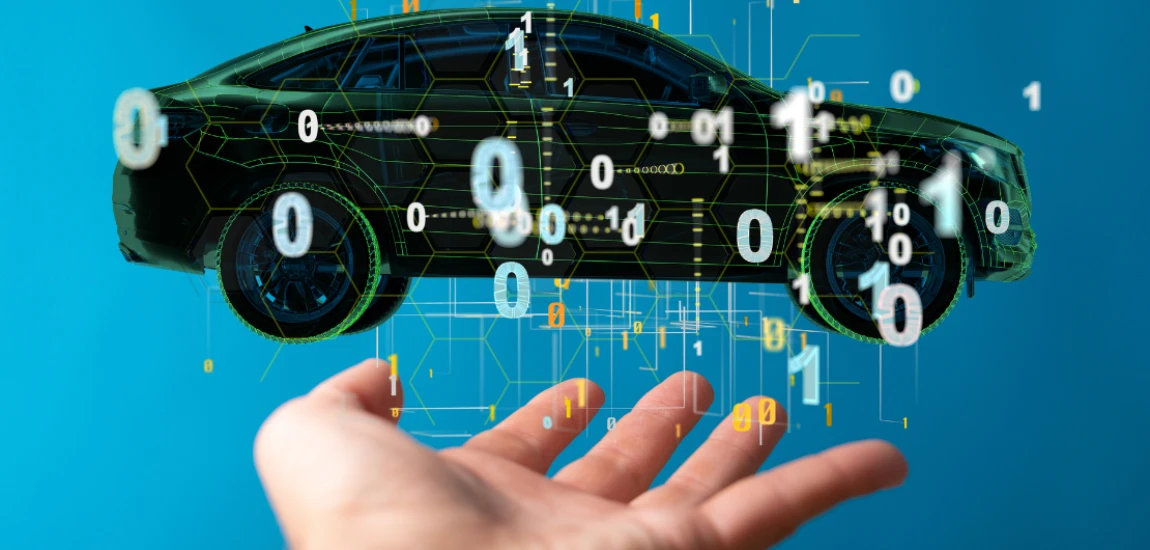
Space exploration has entered a new technological era where artificial intelligence is becoming a central component of mission planning, spacecraft navigation, and autonomous decision-making. Traditional space missions relied heavily on human operators for navigation control and system management, but modern interplanetary missions require faster, smarter, and more adaptive technologies. AI-enhanced space navigation systems and autonomous interplanetary mission frameworks are transforming how spacecraft travel through deep space, analyze planetary environments, and execute complex scientific operations with minimal human intervention. These advanced AI-driven systems use machine learning, computer vision, robotics, predictive analytics, and real-time data processing to optimize mission performance and reduce operational risks. From autonomous Mars rovers to intelligent satellite guidance systems, AI technologies are enabling safer, more efficient, and more cost-effective space exploration missions. As humanity prepares for long-duration missions to Mars, lunar colonies, and deep-space exploration, AI-powered navigation frameworks will play a critical role in supporting the future of autonomous space travel and interplanetary discovery.
Understanding AI-Enhanced Space Navigation Systems

Evolution of Space Navigation Technologies
Space navigation technologies have evolved dramatically since the early days of space exploration. Initial missions relied on manual calculations, ground-based communication systems, and limited onboard computing power to guide spacecraft through orbit and deep space trajectories. Modern AI-enhanced navigation systems now use advanced algorithms, sensor fusion technologies, and machine learning models to improve spacecraft autonomy and navigation precision.
Artificial intelligence allows spacecraft to process vast amounts of environmental and operational data in real time. These intelligent systems can analyze star patterns, gravitational fields, orbital dynamics, and propulsion conditions to adjust trajectories automatically. Unlike traditional systems that required continuous human oversight, AI-powered navigation platforms can make independent decisions during mission-critical situations.
The development of autonomous navigation systems has become increasingly important as space agencies and private aerospace organizations plan missions to distant planets and asteroids. Communication delays in deep-space missions make real-time human control impractical, which is why intelligent onboard navigation systems are essential for future interplanetary exploration.
Core Components of AI Navigation Architectures
AI-enhanced space navigation systems consist of several interconnected technologies that work together to support autonomous spacecraft operations. Machine learning algorithms analyze mission data and improve navigation accuracy through continuous adaptation and predictive modeling.
Computer vision systems help spacecraft identify planetary surfaces, obstacles, and landing zones using cameras and imaging sensors. Autonomous guidance systems combine sensor data with orbital calculations to determine optimal flight paths and maneuvering strategies.
Advanced propulsion management systems also play a key role in intelligent navigation architectures. These systems monitor fuel consumption, engine performance, and environmental conditions to optimize spacecraft efficiency during long-duration missions.
Together, these technologies create highly adaptive navigation frameworks capable of supporting autonomous interplanetary exploration with minimal dependence on Earth-based control systems.
Importance in Modern Space Exploration
AI-powered navigation systems are essential for modern space missions because they improve operational efficiency, mission safety, and scientific productivity. Autonomous spacecraft can react instantly to environmental changes and unexpected hazards without waiting for instructions from Earth.
These intelligent systems reduce communication burdens on mission control centers while improving the precision of orbital maneuvers and planetary landings. They also enable spacecraft to operate effectively in remote environments where communication delays may last several minutes or even hours.
As missions become more complex and ambitious, AI-enhanced navigation technologies are expected to become foundational components of future lunar, Martian, and deep-space exploration programs.
Autonomous Interplanetary Mission Frameworks

Definition of Autonomous Mission Systems
Autonomous interplanetary mission frameworks are AI-driven operational architectures that allow spacecraft, satellites, and robotic explorers to perform tasks independently without continuous human supervision. These systems combine artificial intelligence, robotics, navigation algorithms, and adaptive control systems to manage mission operations in deep-space environments.
Autonomous frameworks are designed to support spacecraft during communication delays, unexpected system failures, and hazardous environmental conditions. Intelligent mission systems can make rapid decisions related to navigation corrections, obstacle avoidance, equipment maintenance, and scientific exploration activities.
The growing complexity of deep-space missions has increased the demand for advanced autonomy because human operators cannot efficiently manage every aspect of interplanetary travel from Earth-based control centers.
Role of Real-Time Decision-Making
Real-time decision-making capabilities are critical for autonomous space missions. AI-powered spacecraft must analyze environmental data, identify anomalies, and respond immediately to changing mission conditions.
Machine learning models help spacecraft predict potential risks such as equipment malfunctions, radiation exposure, or collision threats. These systems can automatically execute corrective maneuvers or activate backup systems to protect mission integrity.
Autonomous decision-making also improves scientific exploration by enabling robotic systems to identify areas of interest, collect samples, and prioritize research activities independently. This significantly enhances mission productivity and reduces the need for constant human instructions.
Adaptive Mission Planning Technologies
Adaptive mission planning systems use predictive analytics and AI-based simulations to optimize mission performance dynamically. These technologies continuously evaluate mission objectives, spacecraft resources, and environmental conditions to update operational strategies.
For example, autonomous Mars rovers can alter exploration routes based on terrain analysis and energy availability. Intelligent mission planning systems can also optimize communication schedules, power management, and resource allocation to maximize mission efficiency.
Adaptive frameworks provide greater flexibility and resilience, making future deep-space exploration missions more sustainable and cost-effective.
Key Technologies Driving AI Space Navigation

Machine Learning and Predictive Analytics
Machine learning technologies are fundamental to modern space navigation systems because they enable spacecraft to learn from data and improve operational accuracy continuously. AI models analyze telemetry data, orbital conditions, and environmental patterns to predict future scenarios and optimize navigation decisions.
Predictive analytics systems can forecast equipment failures, fuel consumption trends, and trajectory deviations before they become critical problems. This proactive approach improves spacecraft reliability and mission safety.
Deep learning algorithms also support autonomous docking systems, planetary landings, and hazard detection capabilities, making interplanetary missions more efficient and less dependent on Earth-based intervention.
Computer Vision and Sensor Fusion
Computer vision technologies allow spacecraft and robotic explorers to interpret visual information from cameras and imaging sensors. AI-powered vision systems can identify terrain features, detect obstacles, and assist with autonomous landing procedures.
Sensor fusion combines data from multiple onboard sensors such as radar, lidar, star trackers, and thermal imaging systems. This integrated approach improves situational awareness and navigation accuracy in complex space environments.
Autonomous planetary rovers rely heavily on computer vision and sensor fusion technologies to navigate unknown terrain safely and conduct scientific exploration activities independently.
Robotics and Intelligent Automation
Robotics technologies are becoming increasingly important in autonomous interplanetary mission frameworks. AI-powered robotic systems can perform repairs, maintenance, scientific experiments, and cargo handling tasks without direct human control.
Intelligent automation also supports spacecraft assembly, satellite servicing, and extraterrestrial habitat construction. Future lunar and Martian colonies may depend heavily on autonomous robotic systems for infrastructure development and resource extraction operations.
The combination of robotics and AI-driven automation will significantly expand humanity’s ability to explore and operate in deep-space environments.
Applications of AI-Enhanced Navigation Systems

Deep-Space Exploration Missions
AI-enhanced navigation systems are critical for deep-space exploration missions targeting distant planets, moons, and asteroids. Autonomous spacecraft can travel vast distances while continuously adjusting trajectories and managing onboard systems independently.
These intelligent systems improve mission reliability by reducing the need for continuous communication with Earth-based control centers. They also allow spacecraft to react quickly to unexpected environmental conditions or system anomalies.
Future missions exploring outer planets and interstellar regions will rely heavily on AI-driven navigation architectures to support long-duration autonomous operations.
Planetary Rovers and Surface Exploration
Planetary rovers use AI technologies to navigate challenging terrain, avoid obstacles, and conduct scientific investigations autonomously. Machine learning algorithms analyze environmental conditions and determine the safest and most efficient exploration routes.
Autonomous rovers can also identify scientifically valuable locations, collect geological samples, and transmit research data back to Earth. These capabilities significantly enhance the efficiency and productivity of planetary exploration missions.
As robotic exploration technologies continue to improve, AI-powered rovers will become increasingly capable of performing complex scientific operations without human intervention.
Satellite Navigation and Orbital Management
AI-enhanced navigation systems are also transforming satellite operations and orbital management technologies. Intelligent satellites can optimize orbital positioning, monitor space debris, and coordinate communication networks autonomously.
AI systems improve satellite lifespan and operational efficiency by predicting equipment failures and optimizing energy usage. Autonomous orbital management technologies are especially important as Earth’s orbital environment becomes increasingly crowded with satellites and debris.
These intelligent frameworks support global communication systems, Earth observation missions, and space-based scientific research.


Kate McCulley, the voice behind "Adventurous Kate," provides travel advice tailored for women. Her blog encourages safe and adventurous travel for female readers.
Kate McCulley

Prev Post

Next Post