
Autonomous Drone Intelligence Systems and Swarm-Based Aerial Coordination Networks
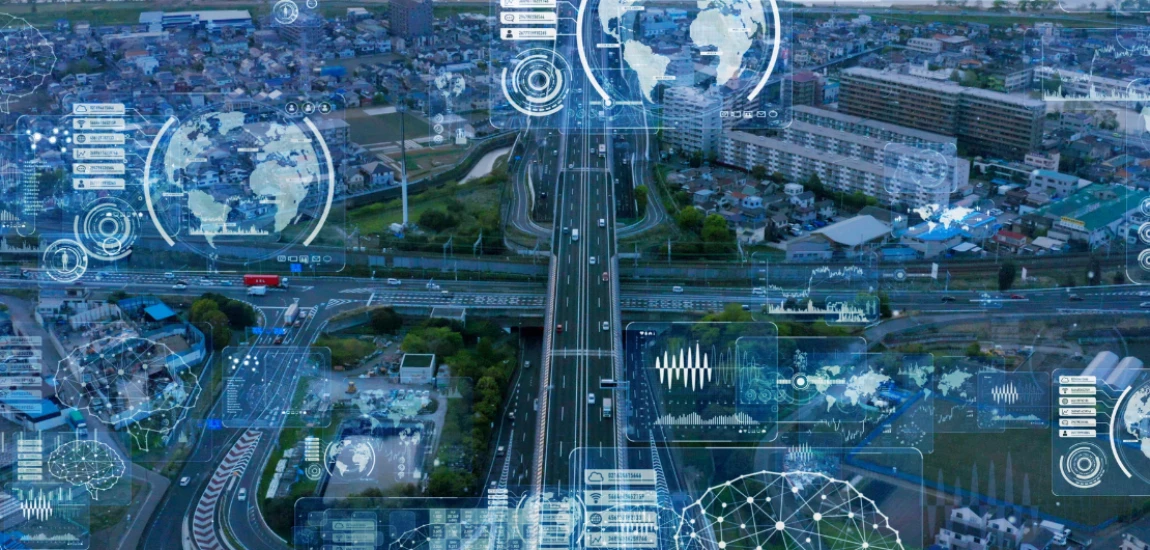
The rapid advancement of artificial intelligence, robotics, and wireless communication technologies has revolutionized the field of unmanned aerial systems (UAS). Among the most groundbreaking innovations are autonomous drone intelligence systems and swarm-based aerial coordination networks. These systems enable drones to operate independently or collaboratively without constant human control, performing complex tasks such as surveillance, mapping, delivery, disaster response, and environmental monitoring. Unlike traditional single-drone operations, swarm intelligence allows multiple drones to communicate, coordinate, and adapt in real time, mimicking the behavior of natural swarms like birds or insects. This distributed intelligence enhances efficiency, scalability, and resilience. As industries continue to embrace automation, drone swarms are becoming a critical component of next-generation aerial systems.
Understanding Autonomous Drone Intelligence Systems

What Are Autonomous Drone Systems?
Autonomous drone intelligence systems are advanced aerial platforms equipped with artificial intelligence, sensors, and navigation technologies that allow them to operate without direct human control. These drones can perceive their environment, make decisions, and execute tasks independently.
They rely on onboard computing systems that process data in real time, enabling them to respond to dynamic conditions such as obstacles, weather changes, and mission updates.
This autonomy makes them highly efficient for applications requiring precision and speed.
Role of Artificial Intelligence in Drone Autonomy
Artificial intelligence is the backbone of autonomous drone systems. AI algorithms enable drones to analyze visual data, recognize objects, and plan optimal flight paths.
Machine learning models help drones improve their performance over time by learning from previous missions and environmental interactions.
AI also enables predictive capabilities, allowing drones to anticipate obstacles and adjust their behavior accordingly.
Key Components of Autonomous Drones
Autonomous drones consist of several key components, including sensors, GPS modules, AI processors, and communication systems.
Sensors such as cameras, LiDAR, and infrared devices help drones perceive their surroundings. GPS ensures accurate positioning, while AI processors handle decision-making.
Communication systems enable data exchange with other drones or control centers.
Swarm-Based Aerial Coordination Networks Explained

What Is Drone Swarm Intelligence?
Drone swarm intelligence refers to the coordinated behavior of multiple drones working together to achieve a common objective. Inspired by natural swarms like bees or birds, these systems rely on decentralized control.
Each drone in the swarm operates independently but communicates with others to maintain coordination.
This collective intelligence allows the swarm to perform complex tasks more efficiently than a single drone.
Communication and Coordination Mechanisms
Swarm drones use advanced communication protocols to share data and synchronize actions. These networks rely on wireless communication technologies such as mesh networks.
Each drone acts as a node, relaying information to others in the swarm.
This decentralized communication ensures resilience, as the system can continue functioning even if individual drones fail.
Advantages of Swarm-Based Systems
Swarm-based systems offer several advantages, including scalability, redundancy, and efficiency.
They can cover large areas quickly by distributing tasks among multiple drones.
Their decentralized nature also makes them more robust and fault-tolerant compared to single-drone systems.
Core Technologies Behind Drone Intelligence

Artificial Intelligence and Machine Learning
AI and machine learning are essential for enabling autonomous decision-making in drones. These technologies allow drones to analyze data, recognize patterns, and adapt to changing environments.
Deep learning models are often used for image recognition and object detection.
Reinforcement learning helps drones improve navigation strategies through trial and error.
Computer Vision and Sensor Fusion
Computer vision enables drones to interpret visual data from cameras and sensors. It allows them to identify objects, map environments, and avoid obstacles.
Sensor fusion combines data from multiple sensors to create a comprehensive understanding of the environment.
This improves accuracy and enhances situational awareness.
Edge Computing and Real-Time Processing
Edge computing allows drones to process data locally rather than relying on cloud servers. This reduces latency and enables real-time decision-making.
Onboard processors handle complex computations, ensuring immediate responses to environmental changes.
This is critical for applications such as search and rescue or military operations.
Applications Across Industries

Defense and Security Operations
Autonomous drone swarms are widely used in defense and security for surveillance, reconnaissance, and threat detection.
They can monitor large areas, track targets, and provide real-time intelligence.
Their ability to operate in coordinated formations enhances mission effectiveness.
Agriculture and Environmental Monitoring
In agriculture, drone swarms are used for crop monitoring, irrigation management, and pest detection.
They provide real-time data on soil conditions and plant health, enabling precision farming.
Environmental monitoring applications include tracking wildlife, forest health, and pollution levels.
Logistics and Delivery Systems
Drone swarms are transforming logistics by enabling fast and efficient delivery services.
They can transport goods across urban and remote areas, reducing delivery times and costs.
Swarm coordination allows multiple drones to manage large-scale delivery operations simultaneously.


Gary Arndt operates "Everything Everywhere," a blog focusing on worldwide travel. An award-winning photographer, Gary shares stunning visuals alongside his travel tales.
Gary Arndt

Prev Post

Next Post