
AI-Driven Nano-Robotic Surgery Systems and Cellular-Level Medical Repair Architectures
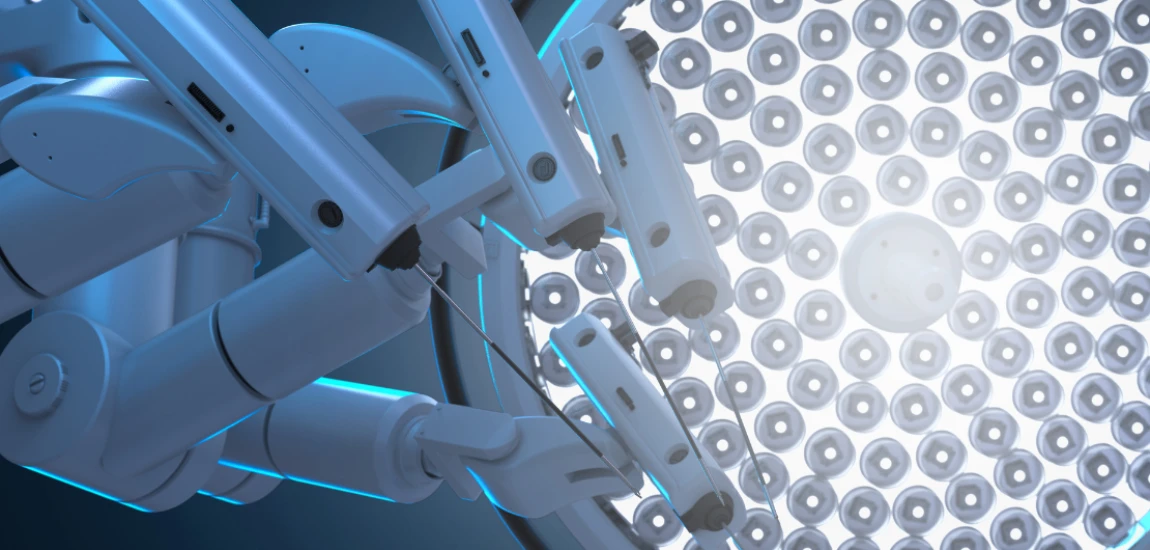
The healthcare industry is rapidly evolving through the integration of artificial intelligence, robotics, biotechnology, and nanotechnology. One of the most revolutionary innovations emerging from this transformation is the development of AI-Driven Nano-Robotic Surgery Systems and Cellular-Level Medical Repair Architectures. These futuristic medical technologies aim to perform highly precise surgical procedures and tissue repairs at microscopic and even molecular scales.
Traditional surgical methods often involve invasive procedures, lengthy recovery periods, and risks associated with human error. However, nano-robotic medical systems powered by artificial intelligence could redefine how diseases are diagnosed, treated, and prevented. Tiny intelligent robots capable of navigating the human bloodstream may eventually repair damaged tissues, eliminate cancer cells, restore organs, and deliver targeted treatments without major surgery.
AI-enhanced nano-medical systems also have the potential to transform preventive healthcare by continuously monitoring the body for infections, genetic abnormalities, and early-stage diseases. As researchers continue advancing nanotechnology and AI-driven medical automation, cellular-level healthcare may become one of the most important breakthroughs in modern medicine.
Understanding AI-Driven Nano-Robotic Surgery Systems

AI-driven nano-robotic surgery systems are microscopic medical technologies designed to perform targeted surgical procedures and biological repairs within the human body. These systems combine nanotechnology, robotics, machine learning, and precision medicine into highly advanced healthcare platforms.
Nanotechnology in Modern Medicine
Nanotechnology focuses on manipulating materials and devices at molecular and atomic scales. In medicine, nano-scale technologies can interact directly with cells, tissues, blood vessels, and biological structures with extraordinary precision.
Nano-robots may eventually travel through the bloodstream to identify damaged cells, remove blockages, destroy harmful pathogens, and repair microscopic injuries. Their small size allows them to access areas of the body that traditional surgical tools cannot easily reach.
Researchers are also developing nano-particles capable of delivering medication directly to infected or cancerous cells while minimizing damage to healthy tissue. This targeted approach could significantly reduce side effects associated with conventional treatments.
Artificial Intelligence and Surgical Automation
Artificial intelligence plays a central role in controlling nano-robotic surgical systems. AI algorithms can analyze real-time biological data, interpret medical imaging, and guide microscopic robots during complex medical procedures.
Machine learning systems may continuously improve surgical accuracy by learning from previous operations and patient outcomes. AI-powered nano-robots could eventually perform autonomous medical repairs with minimal human supervision.
Real-time decision-making capabilities would also allow these systems to respond instantly to biological changes during procedures, improving safety and treatment effectiveness.
Precision Cellular Repair Mechanisms
One of the most promising aspects of nano-robotic surgery systems is their ability to operate at cellular and molecular levels. Instead of removing large sections of tissue during surgery, nano-robots may repair damaged cells individually.
This precision could revolutionize treatments for neurological disorders, cardiovascular disease, organ damage, and genetic abnormalities. Cellular-level repair systems may also accelerate healing while reducing recovery time significantly.
Future medical infrastructures may depend heavily on microscopic robotic systems capable of maintaining cellular health continuously.
Cellular-Level Medical Repair Architectures

Cellular-level medical repair architectures refer to integrated healthcare systems designed to diagnose, monitor, and repair biological damage at microscopic scales.
Microscopic Tissue Regeneration
Nano-robotic systems may eventually stimulate tissue regeneration by interacting directly with damaged cells. These technologies could activate stem cells, repair blood vessels, and restore nerve tissue with exceptional precision.
AI-powered regenerative systems may monitor tissue healing in real time and adjust treatment strategies automatically. Such capabilities could improve recovery outcomes for patients with traumatic injuries, spinal cord damage, and degenerative diseases.
Advanced tissue regeneration architectures may also eliminate the need for invasive reconstructive surgeries in many cases.
Smart Drug Delivery Systems
Traditional medications often affect the entire body rather than targeting specific disease locations. Nano-robotic drug delivery systems aim to solve this problem through precision treatment methods.
Intelligent nano-carriers can transport therapeutic compounds directly to diseased cells while avoiding healthy tissues. AI algorithms may optimize dosage levels according to patient-specific biological responses.
This targeted approach could improve treatment effectiveness for conditions such as cancer, autoimmune diseases, and neurological disorders while reducing harmful side effects.
Cellular Monitoring and Diagnostics
Continuous cellular monitoring is another major advantage of nano-medical systems. Nano-sensors may eventually circulate within the bloodstream and monitor biological conditions continuously.
These sensors could detect infections, inflammation, cancer development, or genetic abnormalities before symptoms appear. AI diagnostic platforms would analyze this information instantly and recommend preventive treatments.
Early disease detection could dramatically improve survival rates while reducing healthcare costs worldwide.
Artificial Intelligence in Nano-Medical Systems

Artificial intelligence is essential for managing the complexity of nano-robotic surgery and cellular repair systems.
Real-Time Medical Decision Making
Nano-robotic systems operate within highly dynamic biological environments. AI-powered decision engines can analyze blood flow, tissue responses, oxygen levels, and cellular activity during procedures.
Real-time data analysis allows nano-robots to adapt their movements and treatment strategies continuously. This adaptability improves precision while reducing the risk of complications.
AI-driven predictive modeling may also help surgeons anticipate biological responses before they occur, enhancing treatment safety.
Machine Learning for Personalized Medicine
Every patient has unique biological characteristics, making personalized treatment increasingly important. Machine learning systems can analyze genetic profiles, immune responses, and medical histories to customize nano-medical therapies.
AI algorithms may determine the most effective treatment pathways for individual patients while minimizing adverse reactions. Personalized nano-medicine could improve outcomes for chronic illnesses and complex diseases.
As AI databases continue expanding, treatment recommendations may become increasingly accurate and efficient.
Neural Network Surgical Guidance
Advanced neural network systems may guide nano-robots during highly delicate procedures involving the brain, heart, and nervous system.
AI-enhanced imaging systems could create detailed three-dimensional maps of internal anatomy in real time. Nano-robots would then navigate through these environments with microscopic precision.
These technologies may eventually enable non-invasive treatments for conditions previously considered inoperable.
Applications of Nano-Robotic Surgery Systems

AI-driven nano-robotic surgery systems could transform nearly every area of modern healthcare.
Cancer Detection and Elimination
Cancer treatment is one of the most promising applications for nano-medical technologies. Nano-robots may identify cancer cells at extremely early stages before tumors fully develop.
Targeted nano-surgical systems could destroy malignant cells individually while preserving surrounding healthy tissue. AI algorithms would continuously monitor treatment progress and adapt strategies dynamically.
This approach could improve cancer survival rates while reducing chemotherapy-related side effects.
Cardiovascular Disease Treatment
Nano-robots may also revolutionize cardiovascular healthcare by removing arterial blockages, repairing blood vessels, and improving circulation without invasive surgery.
Microscopic robotic systems could repair damaged heart tissue after heart attacks and monitor cardiovascular health continuously. AI-driven diagnostics may help predict heart disease risks years before symptoms appear.
Such advancements could significantly reduce global mortality rates related to cardiovascular conditions.
Neurological and Brain Repair
The human nervous system is extremely delicate, making neurological surgery highly challenging. Nano-robotic technologies may eventually repair damaged neurons, restore spinal cord connections, and treat neurodegenerative diseases.
AI-controlled nano-systems could deliver medications directly to affected brain regions while minimizing damage to surrounding tissue. These technologies may improve treatments for Alzheimer’s disease, Parkinson’s disease, epilepsy, and traumatic brain injuries.
Future neural repair systems may also support cognitive rehabilitation and memory restoration therapies.


Kate McCulley, the voice behind "Adventurous Kate," provides travel advice tailored for women. Her blog encourages safe and adventurous travel for female readers.
Kate McCulley
Prev Post

Next Post