
Autonomous Ocean Floor Civilization Mapping Systems and Deep Marine Infrastructure Intelligence Architectures
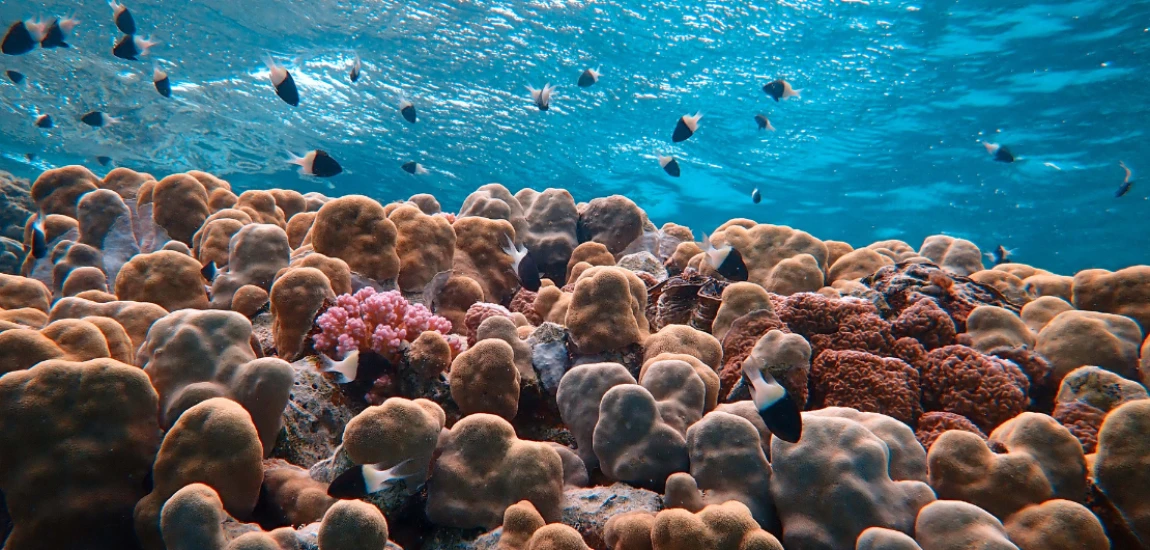
The world’s oceans remain one of the least explored regions on Earth despite covering more than seventy percent of the planet’s surface. Vast underwater ecosystems, geological formations, and deep-sea resources continue to remain largely unmapped due to extreme environmental conditions and technological limitations. However, recent advancements in artificial intelligence, underwater robotics, sensor technologies, and marine analytics are transforming deep-sea exploration through autonomous ocean floor civilization mapping systems and deep marine infrastructure intelligence architectures.
These advanced systems combine AI-powered autonomous vehicles, machine learning algorithms, sonar imaging, cloud computing, and underwater communication networks to create intelligent marine exploration ecosystems. Autonomous mapping systems can analyze ocean terrain, monitor underwater infrastructure, identify ancient submerged structures, and optimize marine operations with minimal human intervention.
Deep marine intelligence architectures also support resource management, climate monitoring, subsea construction, marine biodiversity analysis, and underwater infrastructure security. From scientific research and offshore energy systems to naval operations and underwater archaeology, intelligent ocean mapping technologies are reshaping how humanity interacts with the deep marine world.
As demand for ocean resources, marine sustainability, and underwater infrastructure grows, autonomous marine intelligence systems may become essential for the future of global environmental monitoring and oceanic development.
Understanding Autonomous Ocean Floor Civilization Mapping Systems

Autonomous ocean floor civilization mapping systems are advanced marine exploration frameworks designed to analyze and map underwater environments using intelligent robotics and AI-powered sensing technologies.
Artificial Intelligence in Underwater Exploration
Artificial intelligence acts as the core decision-making engine for autonomous marine exploration systems. AI algorithms analyze sonar data, underwater imagery, environmental conditions, and geological patterns in real time.
Machine learning systems continuously improve mapping accuracy by identifying terrain structures, underwater anomalies, and marine ecosystems more effectively over time.
AI-powered analytics also help underwater robots navigate challenging ocean environments independently while adapting to changing currents, visibility conditions, and pressure variations.
This intelligent automation significantly improves exploration efficiency and reduces operational risks associated with deep-sea missions.
AI-driven underwater mapping systems are becoming increasingly important for scientific research, environmental protection, and marine infrastructure development.
Autonomous Underwater Vehicles and Robotics
Autonomous underwater vehicles, commonly known as AUVs, play a major role in deep ocean mapping operations.
These robotic systems can operate independently for extended periods while collecting high-resolution environmental data from extreme ocean depths.
Advanced AUVs use sonar imaging, LiDAR systems, optical cameras, and environmental sensors to generate highly detailed digital models of underwater terrain.
Robotic swarms may also collaborate to map large ocean regions simultaneously, improving operational speed and data accuracy.
Autonomous marine robotics reduce dependence on manned underwater missions while expanding exploration capabilities into previously inaccessible ocean regions.
Importance of Ocean Floor Mapping
Accurate ocean floor mapping is critical for understanding marine ecosystems, geological activity, and underwater resource distribution.
Detailed seabed maps support underwater construction projects, offshore energy operations, climate research, and maritime navigation systems.
Ocean mapping technologies may also help researchers identify submerged archaeological sites, ancient settlements, and unexplored underwater formations.
As global industries increasingly rely on marine infrastructure and ocean resources, intelligent mapping systems are becoming strategically important for economic and environmental planning.
Improved ocean floor intelligence will likely shape future marine exploration and sustainable ocean development initiatives.
Core Technologies Behind Deep Marine Infrastructure Intelligence Architectures

Deep marine infrastructure intelligence architectures rely on multiple advanced technologies working together to support autonomous underwater analysis and operational optimization.
Sonar Imaging and Seafloor Visualization
Sonar technology is one of the most important tools used in underwater mapping systems.
Multibeam sonar and side-scan sonar systems emit sound waves that reflect off underwater surfaces to create detailed images of ocean terrain.
AI-powered visualization software processes sonar data to generate three-dimensional seabed models and identify underwater structures accurately.
These technologies are essential for mapping deep trenches, underwater mountains, pipelines, cables, and geological formations.
Advanced sonar systems also improve navigation safety and support marine infrastructure planning projects.
Underwater Sensor Networks and IoT Integration
Marine sensor networks collect continuous environmental data from underwater ecosystems and subsea infrastructure systems.
Smart sensors monitor pressure, temperature, salinity, seismic activity, water quality, and biological conditions in real time.
Internet of Things integration enables underwater devices to communicate with centralized AI platforms for large-scale data analysis and predictive monitoring.
These intelligent sensor ecosystems help organizations monitor underwater assets, detect environmental changes, and optimize marine operations more efficiently.
Real-time marine data collection is critical for maintaining operational reliability and environmental sustainability.
Cloud Computing and Marine Data Analytics
Ocean exploration missions generate enormous volumes of environmental and geological data requiring advanced computational infrastructure.
Cloud computing platforms provide scalable processing power for storing, analyzing, and visualizing underwater mapping information.
AI-powered marine analytics systems identify patterns, predict environmental trends, and optimize exploration strategies automatically.
Distributed cloud architectures also improve collaboration between research institutions, marine industries, and government agencies.
Efficient marine data management is essential for supporting future large-scale ocean intelligence ecosystems.
Applications of Autonomous Marine Intelligence Systems

Autonomous ocean floor mapping technologies are transforming multiple industries through intelligent underwater monitoring and data-driven marine operations.
Offshore Energy Infrastructure Management
Offshore energy industries rely heavily on underwater infrastructure including pipelines, drilling platforms, and subsea power systems.
AI-powered marine intelligence architectures help monitor these assets continuously to detect structural damage, corrosion, and operational risks.
Autonomous underwater robots can inspect pipelines, repair equipment, and analyze environmental conditions without requiring human divers.
Predictive maintenance systems improve infrastructure reliability while reducing operational downtime and maintenance costs.
These technologies are becoming increasingly important for supporting sustainable offshore energy production.
Marine Archaeology and Civilization Discovery
Autonomous mapping systems are also revolutionizing underwater archaeology and historical exploration.
AI-driven sonar analysis can identify submerged structures, shipwrecks, and ancient settlements hidden beneath ocean sediments.
Robotic exploration platforms enable researchers to investigate deep-sea archaeological sites that would otherwise remain inaccessible.
Advanced imaging systems provide detailed visual reconstructions of underwater discoveries, improving historical research and preservation efforts.
Marine intelligence technologies may eventually uncover valuable insights into lost civilizations and historical climate changes.
Climate Monitoring and Marine Conservation
Oceans play a critical role in regulating global climate systems and supporting biodiversity.
AI-powered marine monitoring networks help scientists track ocean temperatures, carbon absorption, coral reef health, and marine ecosystem changes.
Autonomous underwater systems can collect environmental data continuously from remote ocean regions with minimal operational costs.
These insights support climate research, marine conservation planning, and sustainable ocean resource management initiatives.
Intelligent marine analytics will likely become increasingly important for addressing global environmental challenges.
Challenges Facing Deep Ocean Intelligence Systems

Despite their enormous potential, autonomous marine intelligence architectures face several technical, operational, and environmental challenges.
Extreme Underwater Conditions
Deep ocean environments expose underwater systems to high pressure, low temperatures, darkness, and unpredictable currents.
These harsh conditions can affect sensor accuracy, communication reliability, and robotic performance.
Developing durable underwater electronics and pressure-resistant infrastructure remains one of the biggest challenges in marine exploration technology.
AI-driven adaptive navigation systems help robotic platforms respond to changing environmental conditions more effectively.
Environmental resilience is critical for ensuring long-term underwater operational success.
Underwater Communication Limitations
Communication underwater is significantly more difficult than terrestrial or satellite communication due to signal absorption and transmission limitations.
Most underwater systems rely on acoustic communication, which provides lower bandwidth and slower data transfer speeds compared to wireless networks.
Researchers are developing advanced underwater communication technologies including optical communication systems and AI-optimized signal processing methods.
Improving subsea communication reliability is essential for supporting large-scale marine intelligence architectures.
Future underwater internet systems may dramatically enhance autonomous ocean operations.
Environmental and Ethical Concerns
Marine exploration activities may potentially disrupt sensitive underwater ecosystems if not managed responsibly.
Organizations deploying autonomous marine systems must prioritize sustainable operational practices and environmental protection standards.
AI-powered environmental monitoring systems can help minimize ecological disruption by identifying protected habitats and biodiversity-sensitive regions.
Ethical concerns also include resource exploitation risks and the militarization of underwater intelligence technologies.
Responsible governance will remain important for balancing innovation with marine conservation goals.


Derek Baron, also known as "Wandering Earl," offers an authentic look at long-term travel. His blog contains travel stories, tips, and the realities of a nomadic lifestyle.
Derek Baron

Prev Post

Next Post