
Cognitive Cybernetic Healthcare Systems and Predictive Human Organ Regeneration Frameworks
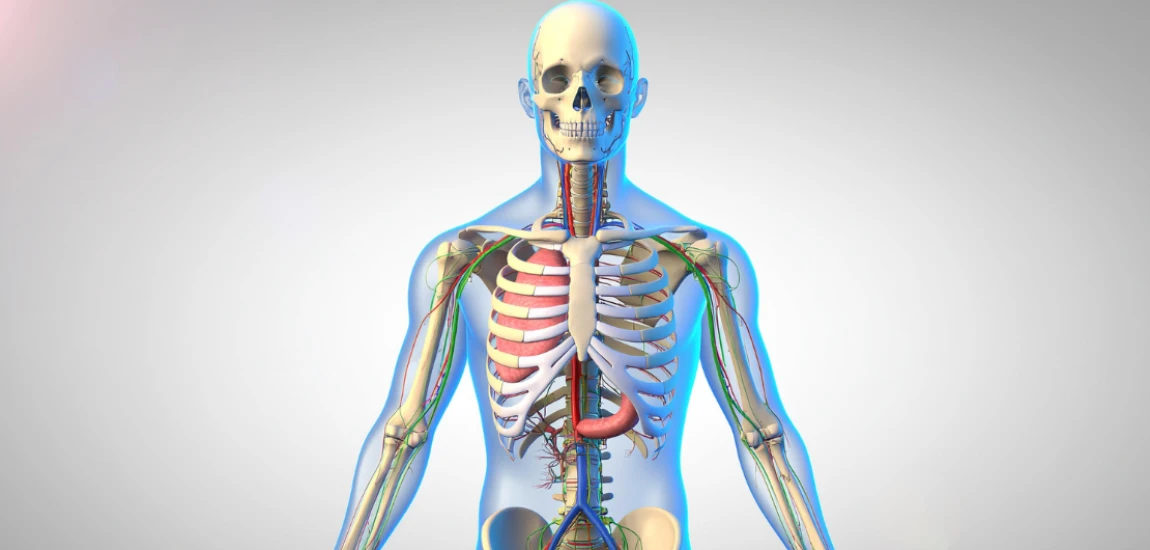
The healthcare industry is entering a revolutionary era where artificial intelligence, cybernetics, biotechnology, and regenerative medicine are merging to create advanced medical ecosystems. One of the most groundbreaking developments in this transformation is the rise of Cognitive Cybernetic Healthcare Systems and Predictive Human Organ Regeneration Frameworks. These futuristic healthcare models aim to enhance disease prediction, automate medical decision-making, regenerate damaged organs, and improve long-term patient outcomes through intelligent technologies.
Traditional healthcare systems often focus on treating diseases after symptoms appear. However, cognitive cybernetic healthcare infrastructures are designed to predict medical conditions before they become life-threatening. By combining AI-driven diagnostics, neural monitoring systems, robotic surgical technologies, and regenerative biological engineering, these frameworks could fundamentally reshape modern medicine.
Predictive organ regeneration technologies may also eliminate the global shortage of donor organs while improving recovery rates for patients suffering from chronic diseases, traumatic injuries, and age-related organ failure. As research in artificial intelligence and biotechnology continues accelerating, the future of healthcare may become increasingly personalized, automated, and biologically adaptive.
Understanding Cognitive Cybernetic Healthcare Systems

Cognitive cybernetic healthcare systems are advanced medical infrastructures that integrate artificial intelligence, neural computing, robotics, and biological monitoring technologies to improve healthcare delivery and patient management.
AI-Driven Medical Intelligence
Artificial intelligence forms the foundation of cognitive healthcare systems. AI-powered diagnostic engines can analyze medical imaging, genetic data, patient histories, and biometric signals with remarkable accuracy.
Machine learning algorithms are capable of detecting patterns associated with diseases such as cancer, cardiovascular disorders, neurological conditions, and metabolic syndromes long before traditional diagnostic methods identify symptoms. These predictive capabilities allow doctors to intervene earlier and improve treatment outcomes.
AI-driven healthcare assistants may also support physicians by recommending personalized treatment plans based on millions of clinical case studies and real-time patient data. This intelligent decision-support framework can reduce diagnostic errors while improving healthcare efficiency.
Cybernetic Patient Monitoring
Cybernetic healthcare systems rely heavily on continuous patient monitoring through wearable devices, implantable biosensors, and neural tracking technologies. These systems collect real-time physiological data including heart rate, blood pressure, oxygen levels, hormonal activity, and neural responses.
Advanced biosensors may eventually monitor organ performance continuously and transmit health information directly to AI medical platforms. This constant data flow enables predictive healthcare systems to detect abnormalities before they become severe.
Real-time monitoring can also improve chronic disease management by allowing healthcare providers to adjust treatments dynamically according to patient conditions.
Human-Machine Medical Integration
One of the most important aspects of cognitive cybernetic healthcare systems is seamless human-machine integration. Smart prosthetics, robotic exoskeletons, and neural-controlled medical devices are already transforming rehabilitation medicine.
Future healthcare systems may use brain-computer interfaces that allow patients with paralysis or neurological disorders to control assistive devices using thought patterns alone. AI-driven robotic surgery platforms may further improve precision during complex procedures.
These innovations could significantly enhance patient independence, recovery speed, and overall quality of life.
Predictive Human Organ Regeneration Frameworks

Predictive human organ regeneration frameworks focus on restoring damaged tissues and organs using biotechnology, stem cells, AI modeling, and regenerative engineering systems.
Stem Cell Regeneration Technologies
Stem cell research has become one of the most promising fields in regenerative medicine. Stem cells possess the unique ability to transform into specialized tissues such as heart cells, liver tissue, nerve cells, and skin.
AI-powered regenerative systems may optimize stem cell therapies by predicting how biological tissues respond during healing and regeneration processes. These predictive models could improve treatment precision while reducing complications.
Scientists are already exploring stem cell-based therapies for conditions such as spinal cord injuries, organ failure, and degenerative diseases. Future advancements may enable complete organ regeneration without traditional transplantation procedures.
Bioprinting Artificial Organs
3D bioprinting technologies are rapidly advancing toward the creation of fully functional artificial organs. AI-controlled bioprinters can layer biological materials and living cells to construct tissue structures with remarkable precision.
Future regenerative frameworks may produce personalized organs using a patient’s own cells, minimizing the risk of immune rejection. Artificial kidneys, liver tissues, heart valves, and skin grafts are already under active development.
AI simulation models may also help researchers test organ functionality digitally before implantation, improving safety and long-term performance.
Predictive Tissue Engineering
Predictive tissue engineering combines AI analytics with regenerative biology to forecast healing outcomes and optimize recovery processes. Machine learning systems can analyze genetic information, immune responses, and cellular behavior patterns to design personalized regenerative therapies.
These technologies may allow healthcare providers to predict organ deterioration before permanent damage occurs. Preventive regenerative treatments could then restore tissue health proactively.
Such frameworks could significantly extend human lifespan while reducing the burden of chronic disease worldwide.
Artificial Intelligence in Advanced Regenerative Medicine

Artificial intelligence is transforming regenerative medicine by improving research efficiency, treatment customization, and medical automation.
AI-Powered Drug Discovery
Developing regenerative therapies traditionally requires years of clinical research and billions of dollars in investment. AI-driven pharmaceutical platforms can accelerate this process dramatically.
Machine learning algorithms analyze molecular interactions, protein structures, and genetic patterns to identify potential regenerative compounds faster than conventional methods. AI may also predict how patients respond to specific treatments based on genetic profiles.
This acceleration could lead to faster development of therapies for organ regeneration, neurological repair, and immune system enhancement.
Personalized Precision Medicine
Precision medicine focuses on tailoring treatments according to individual patient characteristics. AI-driven healthcare systems can analyze genetics, lifestyle factors, environmental exposure, and medical history to create highly personalized therapies.
Predictive healthcare algorithms may recommend regenerative treatments optimized for each patient’s biological profile. This customization improves effectiveness while minimizing side effects.
Future regenerative medicine systems may adapt continuously as patient conditions evolve, creating dynamic healthcare ecosystems.
Neural Network Healthcare Automation
Advanced neural network systems may eventually automate many aspects of healthcare management. AI-driven hospitals could coordinate diagnostics, robotic surgery, patient monitoring, and treatment optimization with minimal delays.
Automation may improve healthcare accessibility while reducing operational costs and physician workload. Remote AI healthcare systems could also deliver advanced medical services to underserved regions globally.
These technologies could redefine how healthcare infrastructure operates in the coming decades.
Robotics and Cybernetic Medical Enhancement Systems

Robotics and cybernetic technologies are becoming increasingly important in modern medical treatment and rehabilitation.
Robotic Surgical Systems
AI-assisted robotic surgery platforms provide enhanced precision during delicate medical procedures. These systems reduce human error while improving surgical consistency and recovery outcomes.
Future robotic surgeons may operate semi-autonomously using predictive AI guidance systems. Combined with real-time imaging and neural analytics, robotic platforms could perform highly complex procedures with extraordinary accuracy.
Remote robotic surgery may also allow specialists to treat patients in distant regions using advanced telemedicine infrastructures.
Cybernetic Prosthetics and Implants
Modern prosthetic systems are evolving rapidly through AI integration and neural interface technologies. Advanced cybernetic limbs can already respond to muscle signals and limited neural commands.
Future prosthetics may provide realistic sensory feedback including touch, pressure, and temperature perception. Neural implants could restore mobility, hearing, and even cognitive function for patients with neurological injuries.
These cybernetic enhancement systems may eventually blur the boundaries between biological and technological healthcare solutions.
Rehabilitation Intelligence Systems
AI-powered rehabilitation systems may personalize physical therapy programs according to patient performance and recovery progress. Smart exoskeletons and robotic rehabilitation devices could help patients regain movement more efficiently.
Predictive analytics can continuously adjust rehabilitation intensity and techniques based on real-time biometric feedback. This adaptive approach improves recovery speed and reduces long-term disability risks.
Such systems may become essential components of future healthcare infrastructures.


Kate McCulley, the voice behind "Adventurous Kate," provides travel advice tailored for women. Her blog encourages safe and adventurous travel for female readers.
Kate McCulley

Prev Post

Next Post