
AI-Driven Nano-Medicine Platforms and Cellular Regeneration Engineering Frameworks
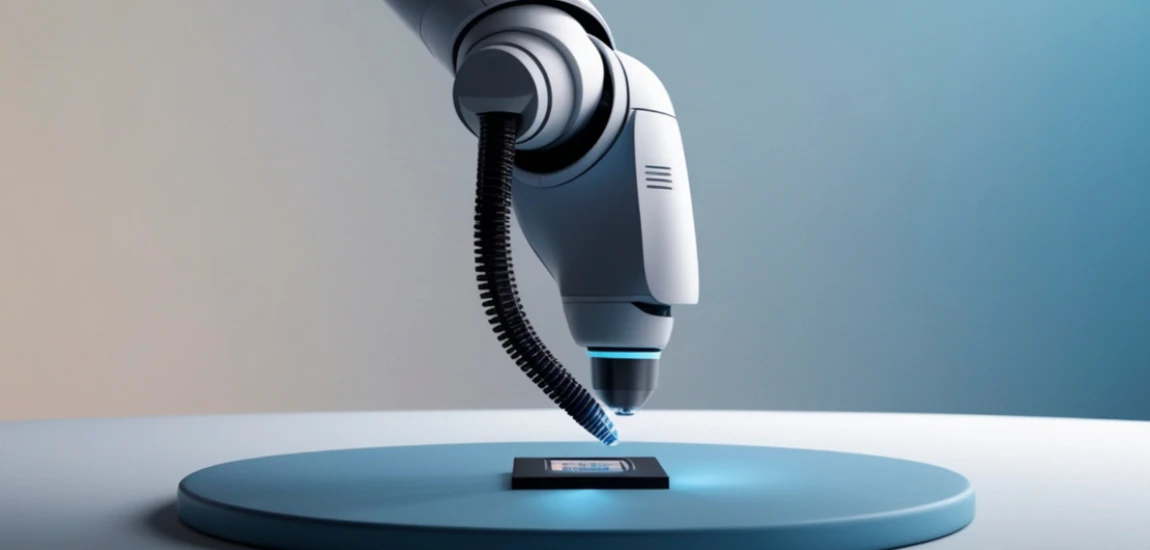
Healthcare is entering a transformative era driven by the convergence of artificial intelligence, nanotechnology, biotechnology, and regenerative medicine. Traditional medical treatments often focus on managing symptoms or slowing disease progression. However, emerging technologies are enabling healthcare professionals to target diseases at the cellular and molecular levels, opening the door to more precise, effective, and personalized treatments.
Among the most promising innovations are AI-Driven Nano-Medicine Platforms and Cellular Regeneration Engineering Frameworks. These advanced systems combine intelligent algorithms with microscopic medical technologies capable of navigating the human body, delivering therapies directly to affected cells, and supporting tissue regeneration. Instead of relying solely on generalized treatment approaches, these technologies aim to create customized solutions tailored to each patient's biological profile.
As chronic diseases, aging populations, and healthcare demands continue to rise globally, researchers are exploring ways to enhance treatment efficiency while minimizing side effects. AI-powered nano-medicine and regenerative engineering represent a significant step toward achieving these goals. By integrating predictive analytics, targeted drug delivery, cellular repair mechanisms, and real-time monitoring systems, future healthcare models could become more proactive, precise, and patient-centered than ever before.
This article explores the foundations, applications, benefits, challenges, and future potential of AI-Driven Nano-Medicine Platforms and Cellular Regeneration Engineering Frameworks.
Understanding AI-Driven Nano-Medicine Platforms

The Evolution of Nanotechnology in Healthcare
Nanotechnology has transformed numerous industries, but its impact on healthcare may be among the most profound. Nano-medicine involves the use of microscopic particles, devices, and materials engineered at the nanoscale to diagnose, monitor, and treat diseases. These structures are often thousands of times smaller than a human hair and can interact directly with cells, proteins, and DNA.
Traditional medicine distributes drugs throughout the body, which can lead to unwanted side effects and reduced effectiveness. Nano-medicine changes this paradigm by enabling highly targeted therapeutic delivery. Nanoparticles can be designed to recognize specific disease markers, allowing treatments to reach affected tissues while minimizing exposure to healthy cells.
As research advances, nano-medicine continues to evolve from simple drug carriers into intelligent medical systems capable of responding dynamically to biological conditions.
How Artificial Intelligence Enhances Nano-Medicine
Artificial intelligence serves as the decision-making engine behind next-generation nano-medicine platforms. AI algorithms analyze massive volumes of biological, genetic, and clinical data to identify disease patterns and optimize treatment strategies.
Machine learning models can determine how nanoparticles should behave within the body, predict treatment outcomes, and continuously adjust therapeutic protocols. This level of intelligence enables highly personalized medical interventions tailored to individual patients.
AI also accelerates pharmaceutical research by identifying promising drug compounds and predicting how nano-scale therapies will interact with biological systems before clinical testing begins.
The Components of Smart Nano-Medical Systems
Modern nano-medicine platforms may include intelligent nanoparticles, biosensors, imaging technologies, and AI-powered monitoring systems. Together, these components create a highly integrated healthcare ecosystem capable of delivering precision treatments while collecting valuable real-time health data.
This combination of AI and nanotechnology is laying the foundation for a new generation of intelligent healthcare solutions.
Cellular Regeneration Engineering and Tissue Restoration

The Science of Cellular Regeneration
The human body possesses remarkable regenerative capabilities. Certain tissues continuously repair themselves, replacing damaged cells and maintaining normal function. However, many injuries and diseases exceed the body's natural healing capacity.
Cellular Regeneration Engineering seeks to enhance and accelerate these natural repair processes using advanced technologies. Researchers are developing methods to stimulate cellular growth, repair damaged tissues, and restore organ functionality through engineered biological systems.
The ultimate objective is to move beyond symptom management and achieve true biological restoration.
Engineering Tissue Repair Mechanisms
Advanced regenerative engineering combines stem cell science, biomaterials, tissue engineering, and computational modeling. Scientists can design scaffolds that support new tissue growth while directing cellular behavior through biochemical signals.
These engineered environments encourage damaged cells to regenerate more effectively. Combined with AI-driven analysis, researchers can optimize treatment protocols for specific conditions and patient profiles.
Such innovations could dramatically improve outcomes for individuals suffering from injuries, degenerative diseases, and organ damage.
AI-Assisted Regenerative Medicine
Artificial intelligence enhances regenerative medicine by analyzing vast biological datasets and identifying factors that influence healing. AI systems can predict how cells respond to treatments, determine optimal growth conditions, and personalize regenerative therapies.
This data-driven approach helps researchers improve treatment effectiveness while reducing development timelines and clinical risks.
Intelligent Drug Delivery Systems and Precision Therapeutics

Targeted Treatment at the Cellular Level
One of the most significant advantages of nano-medicine is the ability to deliver therapies directly to diseased cells. Targeted drug delivery reduces systemic exposure and increases therapeutic effectiveness.
Nanoparticles can be engineered to recognize molecular signatures associated with specific diseases. Once they locate their target, they release therapeutic agents precisely where they are needed most.
This precision has the potential to transform treatment strategies for cancer, autoimmune disorders, and infectious diseases.
Real-Time Monitoring and Adaptive Therapies
Modern nano-medicine platforms may include biosensors capable of continuously monitoring biological conditions. These sensors can detect changes in disease progression, treatment response, and patient health status.
AI algorithms process this information in real time and adjust therapeutic interventions accordingly. Such adaptive treatment systems create a dynamic healthcare model that continuously optimizes patient outcomes.
Reducing Side Effects Through Precision Medicine
Traditional treatments often affect healthy tissues alongside diseased areas. Precision nano-medicine minimizes this issue by concentrating therapeutic activity at specific targets.
Patients may experience fewer adverse reactions, improved treatment efficacy, and enhanced quality of life compared to conventional approaches.
Applications Across Major Healthcare Sectors

Cancer Detection and Treatment
Cancer remains one of the most significant global health challenges. AI-driven nano-medicine platforms offer promising solutions for early detection, targeted therapy, and treatment monitoring.
Nanoparticles can identify tumor cells, deliver anti-cancer drugs directly to malignant tissues, and provide real-time feedback regarding treatment effectiveness. AI enhances these capabilities by optimizing treatment strategies based on patient-specific data.
These technologies could significantly improve survival rates while reducing treatment-related complications.
Neurological and Degenerative Disease Management
Conditions such as Alzheimer's disease, Parkinson's disease, and multiple sclerosis present complex therapeutic challenges. Nano-scale technologies may enable treatments to cross biological barriers and reach affected brain regions more effectively.
Combined with AI-driven diagnostics, regenerative engineering frameworks could support earlier intervention and more personalized treatment plans.
Cardiovascular and Organ Regeneration Applications
Heart disease and organ failure affect millions worldwide. Regenerative engineering technologies aim to repair damaged tissues, improve organ function, and potentially reduce dependence on organ transplantation.
AI-assisted regenerative therapies may help optimize recovery processes and enhance long-term treatment success.


Dave Lee runs "GoBackpacking," a blog that blends travel stories with how-to guides. He aims to inspire backpackers and offer them practical advice.
Dave Lee

Prev Post

Next Post