
AI-Based Space Debris Management Systems and Autonomous Orbital Cleanup Architectures
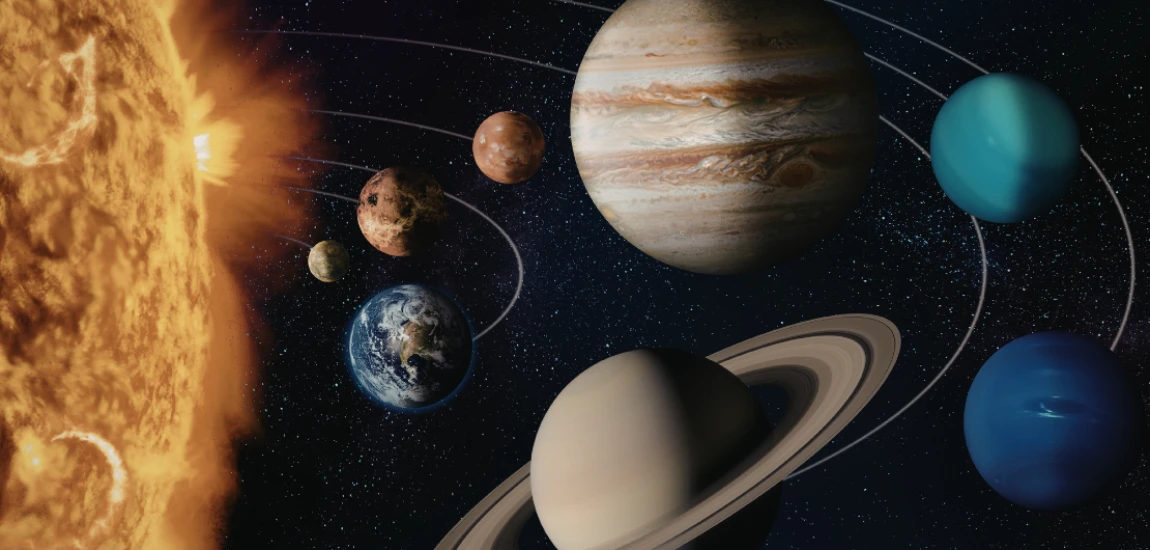
Space exploration and satellite deployment have grown exponentially in recent decades, leading to an alarming increase in space debris orbiting Earth. Defunct satellites, rocket fragments, collision remnants, and micro-debris particles now pose a serious threat to active satellites, space stations, and future missions. As orbital congestion intensifies, the need for intelligent solutions has become urgent.
AI-based space debris management systems and autonomous orbital cleanup architectures represent a new generation of space safety technologies designed to detect, track, analyze, and remove debris using artificial intelligence, robotics, and autonomous spacecraft systems.
These advanced systems integrate AI-powered tracking algorithms, satellite sensor networks, orbital simulation models, and autonomous robotic cleanup vehicles. They enable real-time monitoring of orbital environments and support decision-making for collision avoidance and debris mitigation.
Autonomous orbital cleanup systems go a step further by actively removing hazardous debris using robotic arms, laser systems, magnetic capture devices, or controlled atmospheric re-entry techniques.
As space becomes increasingly commercialized, intelligent debris management technologies are becoming essential for ensuring long-term orbital sustainability and protecting critical space infrastructure.
Understanding AI-Based Space Debris Management Systems

Artificial Intelligence in Orbital Space Monitoring
Artificial intelligence plays a crucial role in modern space debris management systems by analyzing vast amounts of orbital data collected from satellites, telescopes, and radar systems. AI algorithms process this data to identify, classify, and track millions of debris objects orbiting Earth.
Traditional space tracking systems rely on manual analysis and periodic updates, which are not sufficient for real-time orbital safety. AI systems, however, continuously monitor orbital changes and predict potential collision risks with high precision.
Machine learning models analyze object velocity, trajectory patterns, and orbital decay rates to determine the future movement of debris particles. This allows space agencies to predict collisions well in advance and take preventive actions.
AI also helps differentiate between active satellites, inactive spacecraft, and debris fragments, improving overall space situational awareness.
Real-Time Space Situational Awareness Systems
Space situational awareness (SSA) systems are essential for tracking objects in Earth’s orbit. AI-enhanced SSA platforms integrate radar, optical sensors, and satellite telemetry data to provide continuous monitoring of space environments.
These systems create dynamic 3D maps of orbital traffic, showing real-time positions of satellites and debris objects.
AI-driven analytics detect anomalies such as sudden orbital changes or fragmentation events caused by collisions or explosions.
This real-time awareness is critical for preventing catastrophic chain-reaction collisions known as the Kessler Syndrome, which could make certain orbital regions unusable.
Predictive Orbital Collision Avoidance
One of the most important functions of AI-based debris systems is predicting and preventing collisions. AI models simulate orbital trajectories and calculate probability scores for potential impact events.
When a high-risk collision is detected, the system automatically generates avoidance strategies such as satellite repositioning or trajectory adjustments.
These predictive systems significantly reduce risks for communication satellites, navigation systems, and space stations like the International Space Station.
Continuous improvement of predictive algorithms ensures higher accuracy and better orbital safety over time.
Core Technologies Behind Autonomous Orbital Cleanup Architectures

Robotic Spacecraft and Autonomous Cleanup Vehicles
Autonomous spacecraft are the primary tools used in orbital cleanup operations. These robotic systems are equipped with AI navigation, propulsion control, and advanced manipulation mechanisms.
Cleanup spacecraft can capture debris using robotic arms, nets, harpoons, or magnetic systems depending on the type and size of the object.
Some systems are designed to deorbit debris safely by pushing it into Earth’s atmosphere, where it burns up upon re-entry.
Autonomous navigation allows these spacecraft to operate without constant human intervention, making cleanup operations more efficient and scalable.
AI-Powered Orbital Navigation and Guidance Systems
AI-based navigation systems are essential for precise movement in space. These systems calculate optimal flight paths while accounting for gravitational forces, orbital velocity, and debris movement.
Machine learning models continuously adjust spacecraft trajectories based on real-time environmental data.
Autonomous guidance systems also enable swarm-based cleanup missions, where multiple spacecraft work together to remove debris efficiently.
This coordinated approach improves coverage and reduces mission time significantly.
Satellite Sensor Networks and Tracking Infrastructure
Satellite-based sensor networks provide the foundation for space debris detection. Ground-based radar systems and space telescopes work together to monitor orbital environments continuously.
Advanced sensors detect even millimeter-sized debris particles that pose risks to operational satellites.
AI systems integrate sensor data from multiple sources to create accurate orbital models and update tracking databases in real time.
This global sensor infrastructure ensures continuous monitoring of Earth’s orbital environment.
Benefits of AI-Based Space Debris Management Systems

Enhanced Satellite Safety and Protection
One of the most important benefits of AI-based debris management is improved satellite safety. Active satellites are critical for communication, weather forecasting, GPS navigation, defense systems, and scientific research.
AI systems continuously monitor orbital environments and provide early warnings for potential collisions.
This allows satellite operators to adjust orbits and avoid catastrophic damage.
Improved safety reduces operational risks and extends satellite lifespans.
Sustainable Space Environment Management
Space debris accumulation poses a long-term threat to future space exploration. Intelligent debris management systems help maintain a clean and sustainable orbital environment.
By actively removing debris and preventing collisions, these systems reduce the risk of cascading orbital fragmentation events.
Sustainable space management ensures that future missions, including lunar and Mars exploration, remain feasible.
AI-based cleanup technologies support long-term space sustainability strategies.
Reduced Operational Costs for Space Missions
Collision avoidance and debris damage can be extremely costly for space agencies and private companies.
AI-powered systems reduce these costs by preventing accidents and optimizing satellite operations.
Autonomous cleanup missions also reduce the need for manual intervention, lowering operational expenses.
Efficient debris management improves overall cost-effectiveness of space infrastructure.
Challenges in Autonomous Orbital Cleanup Systems

High Technological and Financial Barriers
Developing autonomous space debris systems requires advanced robotics, propulsion systems, AI algorithms, and space-grade materials.
The cost of launching and maintaining cleanup missions is extremely high.
Only a few space agencies and private aerospace companies currently have the resources to develop such technologies.
However, technological advancements are gradually reducing these barriers over time.
Tracking Small and Micro-Debris Objects
One of the biggest challenges is detecting extremely small debris particles that are still capable of causing significant damage due to high orbital velocity.
Millimeter-sized objects are difficult to track using conventional sensors.
AI and advanced radar systems are improving detection capabilities, but complete coverage remains challenging.
Improved sensor sensitivity and global monitoring networks are needed for better accuracy.
Coordination and International Space Regulations
Space is a shared global environment, making coordination between countries and organizations essential.
Different nations operate satellites independently, creating challenges in standardizing debris management policies.
International collaboration is required to ensure safe and sustainable orbital operations.
Global regulatory frameworks are still evolving in this area.


Kate McCulley, the voice behind "Adventurous Kate," provides travel advice tailored for women. Her blog encourages safe and adventurous travel for female readers.
Kate McCulley
Prev Post

Next Post