
Intelligent Water Purification Systems and Autonomous Resource Sustainability Frameworks
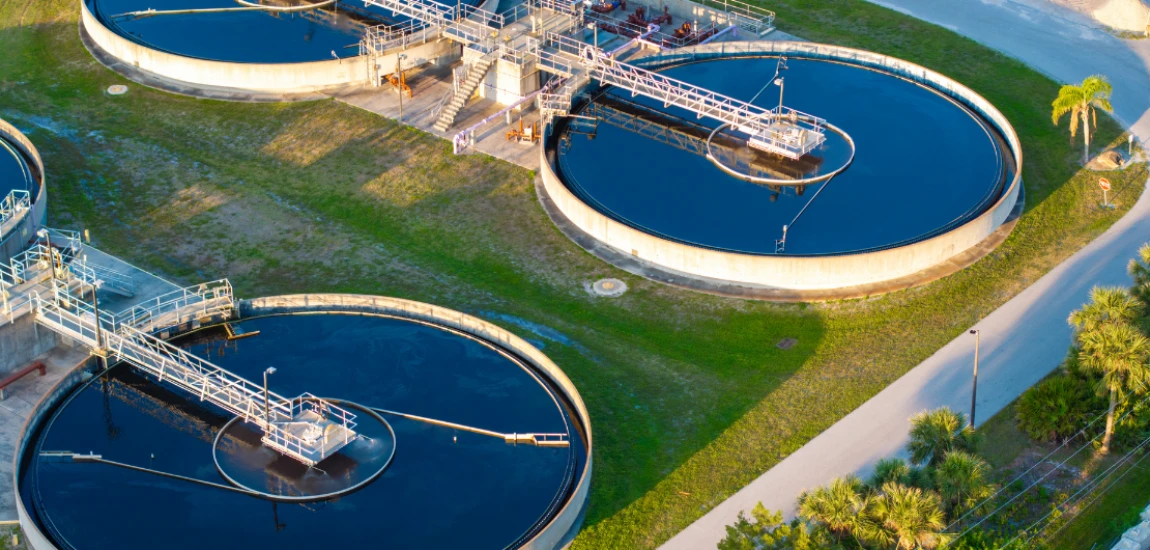
Water scarcity is no longer a distant problem—it is a rapidly growing global crisis affecting agriculture, industries, ecosystems, and human health. Rising pollution levels, industrial contamination, groundwater depletion, and climate change have pushed traditional water treatment systems beyond their limits. In this context, intelligent water purification systems and autonomous resource sustainability frameworks are emerging as transformative solutions that combine artificial intelligence, automation, and real-time environmental monitoring.
These systems are not just about cleaning water—they represent a complete shift toward intelligent water ecosystems capable of self-monitoring, self-optimizing, and self-sustaining operations. By integrating AI, IoT sensors, cloud computing, predictive analytics, and smart filtration technologies, modern water infrastructure can now adapt dynamically to environmental changes.
Autonomous sustainability frameworks extend this capability further by managing the entire water lifecycle—from sourcing and purification to distribution, recycling, and wastewater reuse. This creates a closed-loop system that minimizes waste and maximizes efficiency.
As global demand for freshwater continues to rise, these intelligent systems are becoming essential for ensuring long-term environmental stability and human survival.
Understanding Intelligent Water Purification Systems

Artificial Intelligence in Water Treatment
Artificial intelligence is revolutionizing water treatment by turning traditional static systems into adaptive, learning-based infrastructures. AI-powered water purification systems analyze vast datasets collected from sensors, treatment plants, and environmental monitoring stations to detect contamination patterns and optimize purification processes.
Machine learning models continuously evaluate water quality indicators such as microbial contamination, chemical composition, turbidity, and heavy metal concentration. Unlike traditional testing methods that rely on periodic sampling, AI systems provide continuous, real-time analysis, significantly improving response speed and accuracy.
Advanced AI algorithms can also predict contamination before it occurs by identifying early warning signals such as upstream pollution, industrial discharge anomalies, or seasonal environmental changes. This predictive capability allows water treatment facilities to act proactively rather than reactively.
Additionally, AI systems optimize chemical dosing in treatment plants, ensuring minimal chemical usage while maintaining maximum purification efficiency. This reduces environmental impact and operational costs while improving overall water safety.
Smart Filtration and Sensor-Based Monitoring
Smart filtration systems represent the physical backbone of intelligent water purification. These systems combine advanced filtration technologies—such as nanofiltration membranes, activated carbon filters, UV sterilization, and reverse osmosis—with real-time digital control systems.
IoT-enabled sensors continuously monitor multiple parameters including pH levels, conductivity, temperature, dissolved oxygen, salinity, and toxic substance levels. These sensors communicate directly with AI control systems that adjust filtration intensity and purification stages dynamically.
For example, if contamination spikes are detected, the system can instantly increase filtration pressure, activate additional purification layers, or reroute water through alternative treatment channels.
Smart filtration also enables modular purification systems, where different filtration units operate independently based on demand and contamination levels. This flexibility improves energy efficiency and ensures consistent water quality even under fluctuating environmental conditions.
Real-Time Water Quality Analytics
Real-time analytics is one of the most powerful features of intelligent water systems. Continuous data streams from multiple sensors are processed instantly using AI-driven analytics engines that identify patterns, anomalies, and risks.
These systems generate real-time dashboards that display water quality metrics, contamination alerts, and system performance indicators. Water authorities can monitor entire distribution networks from centralized control rooms or remote devices.
Real-time analytics also supports rapid emergency response. In cases of contamination, AI systems can isolate affected water zones, shut down contaminated pipelines, and reroute clean water supplies within seconds.
This capability is critical for urban environments where millions of people depend on uninterrupted access to safe drinking water.
Core Technologies Behind Autonomous Resource Sustainability Frameworks

IoT-Enabled Water Management Systems
IoT technology forms the foundation of smart water ecosystems by connecting physical infrastructure with digital intelligence. Sensors placed across reservoirs, pipelines, treatment plants, and distribution systems continuously collect operational and environmental data.
These systems track water flow rates, leakage points, pressure fluctuations, consumption patterns, and contamination risks in real time.
AI systems analyze this data to detect inefficiencies such as water loss due to leaks or overconsumption in specific regions. Smart alerts enable maintenance teams to respond quickly, reducing water waste significantly.
IoT-based systems also improve transparency in water usage, helping governments and organizations implement fair and efficient water distribution policies.
Machine Learning and Predictive Water Modeling
Machine learning enhances water management by predicting future water needs, environmental risks, and infrastructure failures. These predictive models analyze historical usage data, weather forecasts, population growth trends, and industrial consumption patterns.
This allows water authorities to anticipate shortages, optimize reservoir management, and plan infrastructure expansion more effectively.
Predictive maintenance is another major advantage. AI systems monitor equipment health and detect early signs of failure in pumps, valves, and filtration units. This reduces downtime and prevents costly system breakdowns.
Machine learning also helps optimize water recycling systems by identifying the most efficient reuse strategies for wastewater treatment.
Cloud Computing and Digital Water Infrastructure
Cloud computing enables centralized control of large-scale water networks across cities and regions. Data from multiple treatment plants and sensor networks is stored, processed, and analyzed in cloud environments.
This allows water authorities to manage distributed systems efficiently and make real-time decisions based on unified data insights.
Cloud platforms also support AI model training, system updates, and cross-regional data sharing, improving overall system intelligence.
Digital water infrastructure ensures scalability, making it possible to expand intelligent systems without rebuilding entire physical networks.
Benefits of Intelligent Water Purification Systems

Improved Water Quality and Safety
Intelligent water systems significantly improve water quality by detecting contaminants faster and more accurately than traditional methods. AI ensures continuous monitoring, reducing the risk of human error and delayed response.
These systems maintain strict compliance with health standards by automatically adjusting purification processes based on real-time water conditions.
Early detection of pathogens, chemicals, and pollutants ensures safer drinking water for urban and rural populations alike.
Reduced Water Waste and Efficient Resource Management
Water leakage and inefficient distribution are major global problems. AI-powered systems help reduce water loss by detecting leaks instantly and optimizing flow distribution.
Smart algorithms balance supply and demand across different regions, ensuring equitable water access.
Recycling and reuse systems also improve efficiency by treating wastewater for secondary uses such as irrigation and industrial processes.
Energy Optimization and Cost Efficiency
Water treatment processes consume large amounts of energy. Intelligent systems optimize energy usage by controlling pumps, filtration cycles, and chemical dosing more efficiently.
Predictive maintenance reduces repair costs and extends the lifespan of infrastructure.
Overall operational costs decrease significantly while improving system performance and reliability.
Challenges in Intelligent Water Management Systems

High Infrastructure Costs
Advanced water purification systems require investment in sensors, AI platforms, filtration units, and communication networks.
For many developing regions, these costs can be a major barrier to adoption.
However, long-term savings from reduced water waste and improved efficiency often offset initial investments.
Cybersecurity Risks
Connected water systems are vulnerable to cyberattacks that could disrupt water supply or compromise safety.
AI-based cybersecurity tools are essential for detecting threats and securing infrastructure.
Strong encryption and secure cloud systems are critical for safe operation.
Technical Complexity and Skill Gaps
Operating intelligent water systems requires specialized knowledge in AI, data analytics, and engineering.
Many regions face shortages of trained professionals capable of managing these systems effectively.
Training programs and capacity-building initiatives are essential for long-term success.


Known as "Nomadic Matt," Matthew Kepnes offers practical travel advice with a focus on budget backpacking. His blog aims to help people travel cheaper and longer.
Matthew Kepnes

Prev Post

Next Post