
AI-Based Smart Manufacturing Systems and Predictive Industrial Automation Frameworks
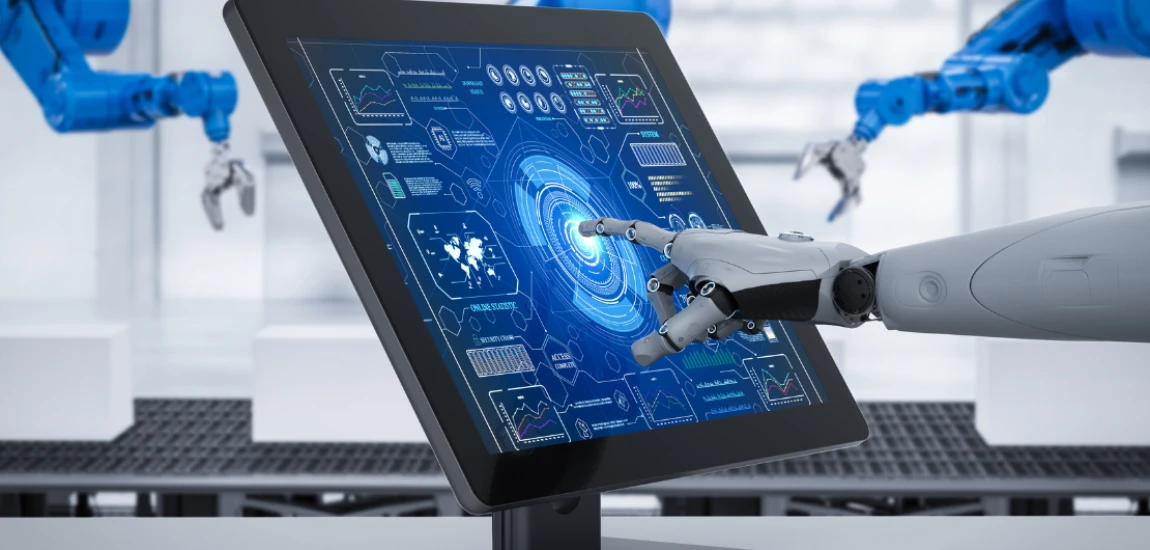
The manufacturing industry is entering a new digital era where automation, artificial intelligence, robotics, cloud computing, and industrial IoT technologies are becoming essential for maintaining operational efficiency and global competitiveness. Traditional manufacturing environments depended heavily on manual supervision, fixed production schedules, reactive maintenance models, and isolated machinery systems. Although these methods supported industrial growth for decades, they often created operational inefficiencies, increased downtime, inconsistent product quality, and higher production costs.
Modern industries now face rapidly changing customer demands, global supply chain disruptions, rising labor costs, environmental regulations, and increasing competition. To address these challenges, manufacturers are adopting AI-based smart manufacturing systems and predictive industrial automation frameworks that can operate intelligently, autonomously, and efficiently in real time.
Smart manufacturing systems integrate artificial intelligence, machine learning, robotics, digital twins, predictive analytics, cloud platforms, industrial sensors, and interconnected production networks into a unified digital ecosystem. These intelligent systems continuously monitor industrial operations, analyze equipment performance, optimize production schedules, predict maintenance needs, and improve quality control processes automatically.
Predictive industrial automation frameworks further enhance manufacturing capabilities by enabling machines and production systems to adapt dynamically to operational conditions. AI-powered automation can identify inefficiencies, forecast equipment failures, optimize energy consumption, and improve supply chain coordination without constant human intervention.
These technologies are becoming central pillars of Industry 4.0, where intelligent factories operate as self-learning production ecosystems capable of improving efficiency, scalability, and sustainability continuously.
In this blog, we will explore the technologies, advantages, applications, challenges, and future developments of AI-based smart manufacturing systems while understanding how predictive industrial automation frameworks are transforming the future of global industrial production and operational intelligence.
Understanding AI-Based Smart Manufacturing Systems

Evolution of Manufacturing Technologies
Manufacturing technologies have undergone massive transformation since the beginning of the industrial revolution. Early manufacturing facilities relied mainly on mechanical equipment and manual labor to produce goods at scale. Although these systems improved productivity compared to handcrafted production methods, they often lacked flexibility, operational precision, and scalability.
The second industrial revolution introduced electrical machinery and assembly line production systems, which significantly accelerated industrial growth. Later, computer-controlled machinery and programmable logic controllers improved automation capabilities within manufacturing facilities.
However, traditional automation systems operated based on fixed programming and predefined instructions. They lacked the ability to learn from operational data or adapt dynamically to changing production conditions.
Modern AI-based smart manufacturing systems represent the next major industrial evolution. These intelligent systems use machine learning algorithms, industrial sensors, real-time analytics, and autonomous robotics to create adaptive manufacturing environments capable of continuous learning and operational optimization.
Unlike conventional factories, smart manufacturing facilities can analyze production data continuously, identify inefficiencies, and make operational adjustments automatically.
This transformation is enabling industries to achieve higher levels of productivity, operational intelligence, and manufacturing precision.
Artificial Intelligence in Industrial Operations
Artificial intelligence is the foundation of intelligent manufacturing systems. AI-powered industrial platforms analyze enormous volumes of operational data collected from machinery, production lines, robotics, supply chains, and industrial sensors.
Machine learning algorithms detect production bottlenecks, monitor equipment performance, optimize scheduling, and forecast operational disruptions before they occur.
AI-driven systems can also improve production planning by analyzing historical demand patterns, inventory levels, supplier availability, and market trends.
Intelligent manufacturing platforms support autonomous decision-making processes that improve operational speed, production consistency, and resource utilization.
Artificial intelligence also enhances collaboration between human workers and robotic systems by enabling safer and more efficient industrial operations.
These technologies are making manufacturing environments more intelligent, responsive, and data-driven.
Industrial IoT and Connected Manufacturing Networks
Industrial Internet of Things technologies are essential for enabling connected smart manufacturing ecosystems.
IoT-enabled devices continuously collect operational data from production equipment, robotic systems, environmental sensors, and industrial control platforms.
Connected manufacturing networks allow machines to communicate with one another and share real-time operational information across production facilities.
AI-powered analytics platforms process this data continuously to monitor equipment conditions, track production efficiency, and optimize industrial workflows dynamically.
Industrial connectivity improves operational visibility, production coordination, predictive maintenance capabilities, and overall manufacturing performance.
These intelligent networks form the digital backbone of Industry 4.0 manufacturing infrastructures.
Predictive Industrial Automation Frameworks

Predictive Maintenance Technologies
Predictive maintenance is one of the most valuable applications of AI-based industrial automation systems.
Traditional maintenance strategies often relied on routine inspections or reactive repairs after equipment failures occurred. These approaches frequently resulted in unplanned downtime, expensive repairs, and production delays.
AI-powered predictive maintenance systems continuously monitor equipment conditions using sensors that collect vibration, temperature, pressure, acoustic, and performance data.
Machine learning algorithms analyze operational patterns and identify early warning signs of mechanical wear, system degradation, or potential equipment failures.
Predictive analytics allows maintenance teams to perform repairs proactively before breakdowns occur, reducing downtime and improving equipment reliability.
These systems also help manufacturers optimize spare parts inventory management and maintenance scheduling.
Predictive maintenance technologies significantly lower operational costs while improving industrial productivity and asset lifespan.
Autonomous Production Optimization Systems
Autonomous production optimization systems use artificial intelligence to improve manufacturing operations dynamically and continuously.
AI-powered production management platforms analyze workflow efficiency, machine utilization, labor allocation, energy consumption, and product demand in real time.
These systems automatically adjust production schedules, machine settings, and resource distribution to maximize efficiency and reduce operational waste.
Autonomous optimization technologies also improve manufacturing flexibility by enabling factories to adapt quickly to changing market conditions and customer requirements.
Smart production systems reduce bottlenecks, increase throughput, and improve operational responsiveness across manufacturing environments.
These capabilities are helping industries achieve greater scalability and competitiveness.
Intelligent Quality Control and Inspection
Quality assurance is critical for maintaining customer satisfaction and regulatory compliance within manufacturing industries.
AI-powered quality control systems use computer vision, advanced imaging technologies, and machine learning algorithms to inspect products automatically during production processes.
These systems can detect microscopic defects, structural inconsistencies, assembly errors, and surface imperfections with extremely high accuracy.
Unlike manual inspection methods, AI-driven inspection technologies operate continuously and consistently without fatigue or human error.
Intelligent quality control improves production reliability, reduces defective products, and minimizes material waste significantly.
These technologies enhance manufacturing precision and strengthen industrial reputation.
Benefits of AI-Based Smart Manufacturing Systems

Increased Production Efficiency and Productivity
One of the most significant advantages of smart manufacturing systems is improved operational efficiency.
AI-powered automation streamlines industrial processes by reducing manual intervention, optimizing production workflows, and minimizing operational delays.
Real-time analytics platforms continuously monitor production performance and identify opportunities for process improvement.
Autonomous systems optimize machine utilization, production scheduling, and inventory management dynamically.
Improved efficiency enables manufacturers to increase production capacity while maintaining high product quality standards.
Higher productivity also strengthens profitability and global market competitiveness.
Reduced Operational Costs and Downtime
Industrial downtime can create major financial losses and disrupt supply chain operations.
Predictive automation systems reduce unexpected equipment failures by identifying maintenance needs before breakdowns occur.
AI-powered energy optimization technologies minimize electricity consumption and improve resource efficiency across industrial facilities.
Smart inventory management systems reduce excess material storage costs and improve procurement planning.
Automated production optimization also lowers labor costs while improving operational consistency.
Reduced operational expenses improve long-term business sustainability and financial performance.
Enhanced Workplace Safety and Risk Management
Manufacturing facilities often involve dangerous machinery, hazardous chemicals, heavy equipment, and high-risk operational environments.
AI-powered robotics and automation systems reduce human exposure to hazardous tasks and dangerous production areas.
Intelligent safety monitoring systems detect environmental hazards, machine malfunctions, and unsafe working conditions in real time.
Predictive risk management technologies help prevent industrial accidents and improve workplace compliance standards.
Enhanced safety measures improve employee well-being and reduce liability risks for manufacturing organizations.
These systems create safer and more productive industrial workplaces.
Applications of Smart Manufacturing Technologies

Automotive Manufacturing and Intelligent Robotics
The automotive industry is one of the leading sectors adopting AI-powered manufacturing systems.
Smart robotic assembly lines perform welding, painting, assembly, inspection, and packaging tasks with exceptional precision and speed.
AI-driven production planning systems optimize inventory management, supply chain logistics, and vehicle customization processes.
Predictive maintenance platforms improve machinery reliability and reduce factory downtime significantly.
Intelligent robotics also improve worker safety by handling dangerous and repetitive tasks within automotive production facilities.
These technologies are accelerating innovation in electric vehicle and autonomous vehicle manufacturing.
Electronics and Semiconductor Production
Electronics manufacturing requires extremely high levels of precision, cleanliness, and quality control.
AI-powered manufacturing systems monitor semiconductor fabrication processes continuously and identify microscopic defects during production.
Predictive analytics platforms improve material utilization, production consistency, and operational efficiency within electronics factories.
Autonomous robotic systems perform delicate assembly tasks with greater precision than traditional manual methods.
These technologies support rapid innovation in smartphones, computing devices, communication systems, and advanced microelectronics industries.
Pharmaceutical and Healthcare Manufacturing
Pharmaceutical manufacturing relies heavily on operational precision, regulatory compliance, and product consistency.
AI-driven automation systems optimize drug production, packaging, quality control, and inventory management processes.
Predictive analytics improves pharmaceutical supply chain coordination and reduces manufacturing risks.
Smart manufacturing technologies ensure accurate dosage production, contamination prevention, and regulatory compliance.
These systems improve healthcare product safety and accelerate pharmaceutical innovation globally.


Derek Baron, also known as "Wandering Earl," offers an authentic look at long-term travel. His blog contains travel stories, tips, and the realities of a nomadic lifestyle.
Derek Baron

Prev Post

Next Post