
AI-Augmented Creativity and Human–Machine Co-Creation Platforms: Redefining the Future of Innovation
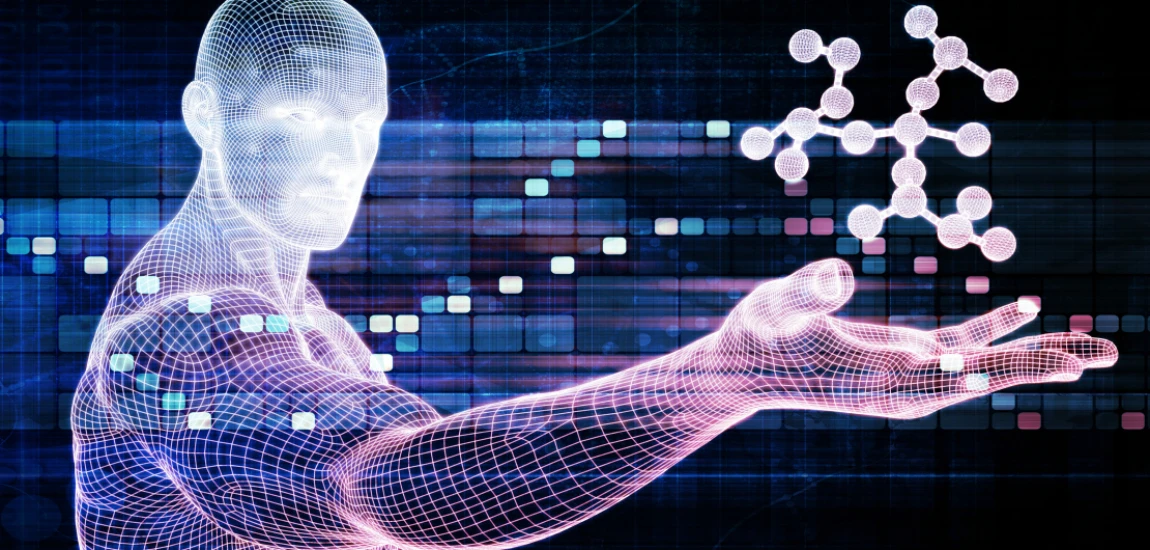
Creativity has long been considered a uniquely human trait—an ability rooted in imagination, emotion, and experience. However, the rise of artificial intelligence is reshaping this perspective. Today, AI-augmented creativity and human–machine co-creation platforms are enabling a new era where humans and machines collaborate to produce innovative ideas, designs, and content.
Rather than replacing human creativity, AI enhances it by offering suggestions, automating repetitive tasks, and uncovering patterns that humans might overlook. These co-creation platforms serve as collaborative environments where humans and AI systems work together in real time, combining intuition with computational power.
From digital art and music composition to product design and marketing strategies, AI is becoming an indispensable creative partner. This blog explores how AI-augmented creativity works, the technologies behind it, real-world applications, benefits, challenges, and future trends shaping the creative landscape.
Understanding AI-Augmented Creativity

What Is AI-Augmented Creativity?
AI-augmented creativity refers to the use of artificial intelligence tools to enhance and support human creative processes. Instead of generating ideas independently, AI systems act as collaborators, assisting humans in brainstorming, designing, and refining creative outputs.
These systems analyze vast amounts of data, identify patterns, and generate suggestions that inspire new ideas. For example, AI can propose design variations, suggest content improvements, or even generate entirely new concepts based on user input.
This collaborative approach allows creators to explore possibilities more efficiently and push the boundaries of innovation.
How AI Enhances Human Creativity
AI enhances creativity by automating repetitive tasks, such as editing, formatting, and data analysis. This frees up time for creators to focus on ideation and innovation.
Additionally, AI provides data-driven insights that can guide creative decisions. By analyzing trends and user preferences, AI helps creators produce content that resonates with their audience.
The combination of human intuition and AI-driven insights leads to more impactful and innovative outcomes.
Key Differences from Traditional Creative Tools
Traditional creative tools are passive, requiring users to input all ideas and decisions manually. In contrast, AI-powered tools are interactive and adaptive.
They learn from user behavior, provide real-time feedback, and evolve over time. This dynamic interaction transforms the creative process into a collaborative experience rather than a solitary task.
Human–Machine Co-Creation Platforms Explained

What Are Co-Creation Platforms?
Human–machine co-creation platforms are digital environments where humans and AI systems collaborate to create content, designs, and solutions. These platforms integrate AI capabilities directly into creative workflows, enabling seamless interaction.
Examples include AI-powered design tools, writing assistants, music composition software, and video editing platforms.
How Collaboration Happens in Real Time
In co-creation platforms, collaboration occurs through continuous interaction between the user and the AI system. The user provides input, and the AI generates suggestions or enhancements.
This iterative process allows creators to refine their work in real time. The AI adapts to user preferences, improving its recommendations over time.
Examples of Co-Creation Tools
Popular co-creation tools include AI writing assistants, generative design software, and music composition platforms. These tools enable users to experiment with different ideas and approaches.
They are widely used in industries such as marketing, entertainment, and product design, where creativity plays a crucial role.
Core Technologies Driving AI Creativity

Generative AI and Deep Learning
Generative AI is a key technology behind AI-augmented creativity. It uses deep learning models to generate content such as text, images, music, and videos.
These models are trained on large datasets, allowing them to produce high-quality outputs that mimic human creativity.
Natural Language Processing and Content Generation
Natural Language Processing (NLP) enables AI systems to understand and generate human language. This is essential for writing assistants, chatbots, and content creation tools.
NLP allows AI to produce coherent, context-aware content, making it a valuable tool for writers and marketers.
Computer Vision and Design Automation
Computer vision enables AI to analyze and interpret visual data. This is used in design tools to generate layouts, edit images, and create visual content.
Design automation tools leverage this technology to streamline the creative process and enhance productivity.
Applications Across Creative Industries

Marketing and Content Creation
In marketing, AI-augmented creativity helps generate personalized content, optimize campaigns, and analyze audience behavior.
AI tools can create blog posts, social media content, and advertisements, enabling marketers to scale their efforts efficiently.
Art, Music, and Entertainment
Artists and musicians use AI to experiment with new styles and techniques. AI can generate music compositions, create digital art, and even assist in film production.
This opens up new possibilities for creative expression and innovation.
Product Design and Innovation
In product design, AI helps generate prototypes, optimize designs, and simulate user experiences. This accelerates the development process and improves product quality.
Companies use AI to explore innovative solutions and stay competitive in the market.


Kate McCulley, the voice behind "Adventurous Kate," provides travel advice tailored for women. Her blog encourages safe and adventurous travel for female readers.
Kate McCulley
Prev Post

Next Post