
Adaptive Cybersecurity Intelligence: Building Security Systems That Evolve Against Emerging Threats
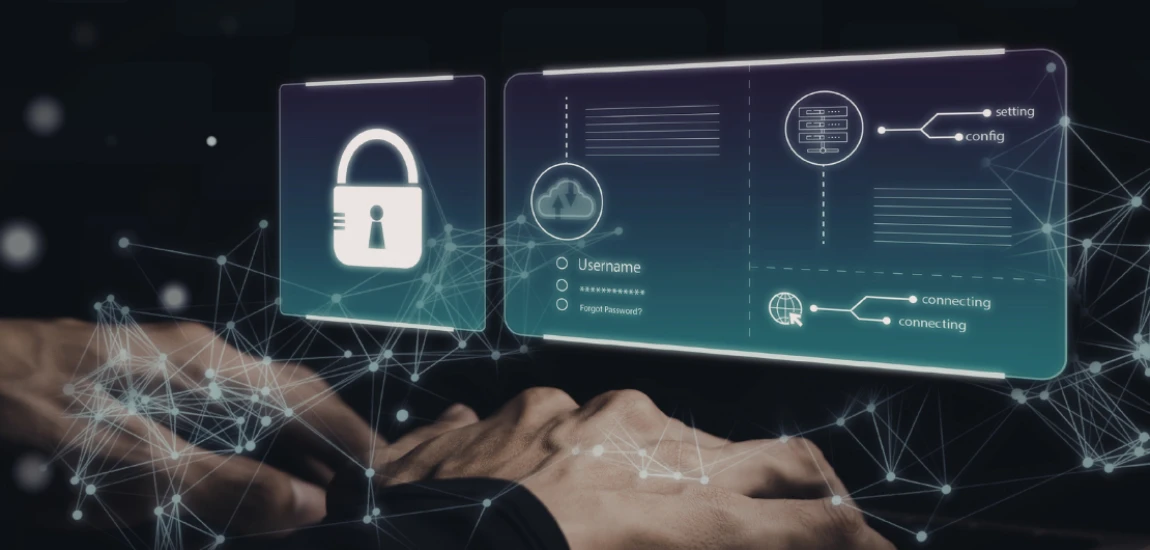
Cybersecurity has become one of the most critical challenges in the digital age. As organizations increasingly rely on digital infrastructure, cloud services, and connected devices, the number and complexity of cyber threats continue to grow. Traditional cybersecurity systems were primarily designed to defend against known threats using static rules and signature-based detection methods. While these systems can still detect familiar attack patterns, they often struggle to keep up with rapidly evolving cyber threats.
Modern attackers use advanced techniques such as automated malware generation, artificial intelligence–driven attacks, and sophisticated phishing campaigns that constantly adapt to bypass traditional defenses. In this environment, organizations need security solutions that are equally dynamic and capable of evolving alongside emerging threats.
This is where adaptive cybersecurity intelligence plays a crucial role. Adaptive cybersecurity systems use artificial intelligence, machine learning, and behavioral analytics to continuously monitor digital environments, detect anomalies, and respond to potential threats in real time. Instead of relying solely on predefined rules, these systems learn from new data and adjust their defense strategies automatically.
By integrating adaptive intelligence into cybersecurity frameworks, organizations can create resilient security systems that improve over time. These systems identify patterns, anticipate threats, and respond faster than traditional security models. As cyber threats become more complex, adaptive cybersecurity intelligence will become a fundamental component of modern digital defense strategies.
Understanding Adaptive Cybersecurity Intelligence

The Evolution of Cybersecurity Defense Models
Cybersecurity strategies have evolved significantly over the past few decades. Early security systems relied heavily on firewalls and antivirus software designed to detect known malicious signatures. These tools were effective when cyber threats followed predictable patterns and attack methods changed relatively slowly.
However, the modern cyber threat landscape is far more complex. Attackers now use automated tools, polymorphic malware, and zero-day vulnerabilities that can bypass static security measures. Because traditional systems depend on previously identified attack signatures, they often fail to detect new or modified threats.
Adaptive cybersecurity intelligence represents the next stage in cybersecurity evolution. Instead of focusing solely on known threats, adaptive systems analyze patterns of behavior across networks, devices, and applications. By identifying unusual activities or deviations from normal behavior, these systems can detect potential threats even when they do not match known attack signatures.
The Role of Artificial Intelligence in Cyber Defense
Artificial intelligence plays a central role in adaptive cybersecurity intelligence. AI algorithms can process massive volumes of data from network traffic, system logs, user behavior, and external threat intelligence sources. This ability allows AI-powered security systems to identify patterns and correlations that human analysts might overlook.
Machine learning models can also improve over time as they are exposed to new information. When a security system encounters a new threat, it can analyze the attack pattern and update its detection capabilities automatically. This continuous learning process helps organizations stay ahead of emerging cyber threats.
By combining AI-driven analysis with automated response mechanisms, adaptive cybersecurity intelligence creates security systems that become stronger and more effective as they encounter new challenges.
Real-Time Threat Detection and Behavioral Analytics

Monitoring Digital Environments Continuously
One of the most important capabilities of adaptive cybersecurity intelligence is continuous monitoring. Traditional security tools often rely on periodic scans or predefined alerts. While these methods can detect certain threats, they may miss subtle indicators of compromise that occur between scans.
Adaptive systems continuously monitor digital environments in real time. They analyze network traffic, system behavior, application activity, and user interactions to build a comprehensive understanding of normal operational patterns. This baseline allows the system to detect anomalies that could indicate malicious activity.
For example, if a user account suddenly begins accessing large volumes of sensitive data at unusual hours, an adaptive system may flag this behavior as suspicious. By detecting anomalies early, organizations can investigate potential threats before they escalate into full-scale security incidents.
Behavioral Analysis for Advanced Threat Detection
Behavioral analytics is a key component of adaptive cybersecurity intelligence. Instead of focusing only on known malware signatures, behavioral analysis examines how users, devices, and applications interact within a digital ecosystem.
By analyzing behavioral patterns, security systems can detect unusual activities such as unauthorized access attempts, abnormal data transfers, or unexpected changes in system configurations. These indicators may signal potential insider threats, compromised accounts, or advanced persistent attacks.
Behavioral analysis also helps detect sophisticated cyber threats that attempt to mimic legitimate activities. Even if attackers attempt to disguise their actions, subtle behavioral differences can reveal malicious intent.
Automated Threat Response and Self-Healing Systems

Accelerating Incident Response
Speed is critical when responding to cyber threats. Traditional cybersecurity models often rely on manual investigation and response processes that can take hours or even days to complete. During this time, attackers may continue exploiting vulnerabilities and causing damage.
Adaptive cybersecurity intelligence introduces automated response capabilities that significantly reduce response times. When a potential threat is detected, the system can immediately initiate predefined security actions such as isolating affected devices, blocking suspicious network traffic, or revoking compromised credentials.
These automated responses prevent attackers from spreading further within the network while security teams investigate the incident. By containing threats quickly, organizations can minimize damage and maintain operational stability.
Building Self-Healing Security Infrastructure
Another powerful feature of adaptive cybersecurity systems is their ability to support self-healing infrastructure. When vulnerabilities or system weaknesses are identified, adaptive systems can automatically recommend or implement corrective actions.
For example, if a system detects outdated software with known vulnerabilities, it may trigger automated patch updates or notify administrators to address the issue. Similarly, compromised systems can be temporarily isolated from the network to prevent further exploitation.
Self-healing capabilities help organizations maintain a resilient security environment where vulnerabilities are addressed quickly and proactively.
Threat Intelligence Integration and Global Awareness

Leveraging Global Threat Intelligence
Cyber threats often emerge simultaneously across multiple regions and industries. Adaptive cybersecurity systems can integrate global threat intelligence feeds that provide real-time information about new vulnerabilities, attack techniques, and malware variants.
By analyzing data from security researchers, industry organizations, and cybersecurity platforms, adaptive systems can identify emerging threats before they reach a specific organization’s network. This proactive awareness enables security teams to prepare defenses and implement protective measures early.
Global threat intelligence helps organizations stay ahead of attackers by providing valuable insights into evolving cyber threat patterns.
Collaborative Security Ecosystems
Modern cybersecurity increasingly relies on collaboration between organizations, governments, and technology providers. Adaptive cybersecurity intelligence supports this collaborative approach by sharing anonymized threat data and attack patterns across security networks.
When multiple organizations contribute threat intelligence data, the entire cybersecurity ecosystem becomes stronger. Security systems can learn from a broader range of attack scenarios and improve detection capabilities across industries.
This collaborative defense model allows organizations to respond more effectively to large-scale cyber threats and emerging attack strategies.


Derek Baron, also known as "Wandering Earl," offers an authentic look at long-term travel. His blog contains travel stories, tips, and the realities of a nomadic lifestyle.
Derek Baron

Prev Post

Next Post