
Smart Utility Cost Management: How to Reduce Electricity, Water, and Household Expenses
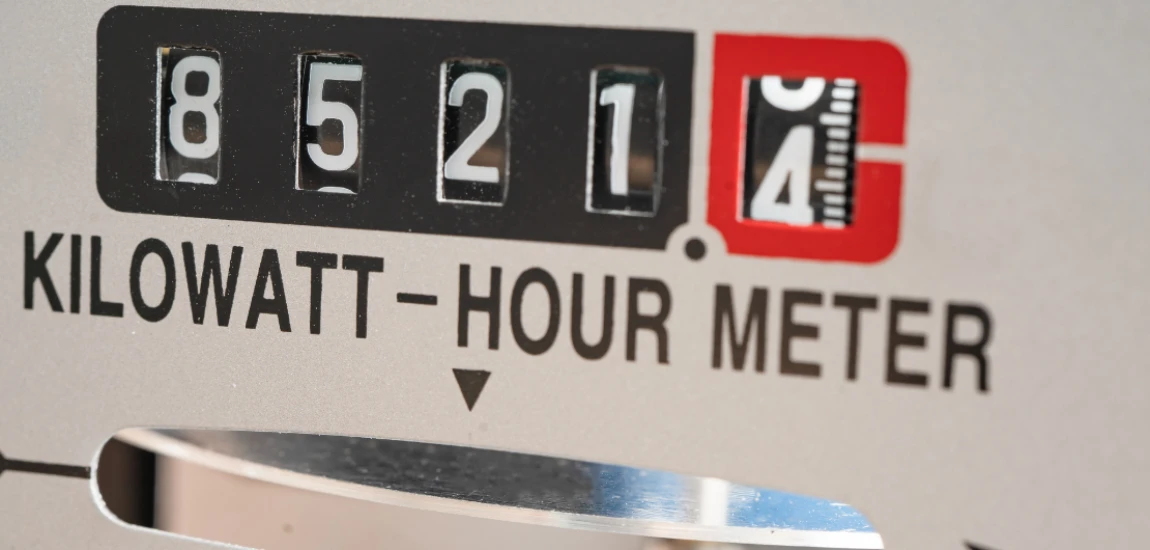
Managing household expenses is a key component of financial wellness. Utility costs, including electricity, water, heating, and cooling, often account for a significant portion of monthly spending. Smart utility cost management focuses on reducing these expenses through efficient use of resources, smart technology, and strategic planning.
High utility bills can strain budgets, but small, consistent actions can lead to substantial long-term savings. From energy-efficient appliances to mindful water usage, households have many opportunities to optimize consumption without sacrificing comfort.
Effective utility management requires awareness of consumption patterns, understanding seasonal and usage variations, and implementing strategies that minimize waste. Beyond saving money, smart utility management also contributes to environmental sustainability by reducing energy consumption and conserving natural resources.
In this guide, we’ll explore practical techniques for reducing electricity and water bills, adopting technology-driven solutions, preventing unnecessary waste, and creating long-term habits that support cost efficiency in the household.
Reducing Electricity Costs

Electricity bills are often one of the largest monthly household expenses. Reducing electricity usage can lead to significant savings.
Energy-Efficient Appliances
One of the most effective ways to reduce electricity consumption is by using energy-efficient appliances. Look for devices with high Energy Star ratings, which consume less electricity compared to conventional models.
Replacing old refrigerators, air conditioners, or washing machines with energy-efficient alternatives may require an initial investment but results in long-term savings. These appliances often come with features like smart timers and low-power modes, which reduce unnecessary electricity consumption.
Smart Lighting Solutions
Lighting accounts for a significant portion of electricity usage. Switching to LED bulbs, using dimmers, and installing motion sensors in low-traffic areas can substantially lower consumption.
Smart lighting systems can also automate usage based on occupancy and natural light, ensuring that lights are only on when needed. These changes not only reduce costs but also extend the lifespan of bulbs, further saving money over time.
Optimizing Heating and Cooling Systems
Heating and cooling systems often drive high electricity bills. Setting thermostats to energy-saving temperatures, maintaining HVAC systems, and using programmable or smart thermostats can significantly reduce energy usage.
Additionally, sealing windows and doors, using fans instead of air conditioning when possible, and leveraging natural ventilation can minimize electricity consumption while keeping your home comfortable.
Smart Water Management

Water expenses can add up, particularly in households with high consumption or water-intensive appliances.
Fixing Leaks and Drips
Even minor leaks can waste hundreds of gallons of water monthly, leading to higher bills. Regularly checking faucets, pipes, toilets, and appliances for leaks is essential.
Repairing leaks promptly not only reduces water bills but also prevents potential property damage caused by water accumulation. Small interventions, like replacing worn-out washers or seals, can make a noticeable difference.
Using Water-Efficient Fixtures
Installing low-flow showerheads, faucets, and dual-flush toilets reduces water consumption without affecting usability. Water-efficient appliances, such as washing machines and dishwashers, also consume less water per cycle.
By choosing water-saving fixtures, households can significantly reduce daily water usage, translating into both lower bills and a smaller environmental footprint.
Smart Watering Practices
For homes with gardens or lawns, outdoor water use can be a major expense. Smart watering strategies include watering during early morning or late evening to minimize evaporation, using drip irrigation systems, and collecting rainwater for landscaping purposes.
These methods optimize water usage, prevent waste, and reduce overall water costs.
Managing Household Expenses Through Smart Habits

Smart utility management goes beyond appliances and fixtures—it involves creating conscious habits that reduce consumption.
Unplugging Idle Electronics
Many devices consume electricity even when not in use, a phenomenon known as standby power. Unplugging electronics such as chargers, TVs, and kitchen appliances can reduce wasted energy.
Using power strips to control multiple devices at once simplifies this process and ensures no devices draw power unnecessarily.
Efficient Laundry Practices
Laundry is a significant household activity that consumes electricity and water. Washing full loads, using cold water for most cycles, and air-drying clothes whenever possible reduces utility consumption.
Scheduling laundry during off-peak hours may also result in lower electricity rates in areas with variable pricing.
Mindful Appliance Usage
Running dishwashers, ovens, and other high-energy appliances efficiently can reduce costs. For example, preheating ovens only when necessary, running appliances during energy-saving hours, and avoiding overuse ensures that electricity is used wisely.
Creating these habits gradually can lead to substantial monthly savings while maintaining household convenience.
Leveraging Technology for Cost Management

Technology provides effective tools to monitor and control utility consumption.
Smart Meters and Monitors
Smart meters track electricity and water usage in real time, providing insights into consumption patterns. Monitoring usage allows households to identify areas of excess consumption and adjust habits accordingly.
Some systems even offer alerts when consumption exceeds normal levels, helping prevent unexpected high bills.
Home Automation Systems
Home automation can optimize lighting, HVAC, and appliance usage based on occupancy and time of day. Smart thermostats, motion sensors, and automated appliance schedules reduce unnecessary energy consumption and enhance convenience.
Integration with mobile apps allows real-time control and monitoring, ensuring efficient usage even when away from home.
Energy-Saving Mobile Apps
Various apps provide tips for reducing electricity and water usage, calculate potential savings, and track progress. These tools can motivate households to adopt energy-efficient practices and monitor long-term improvements in utility management.


Gary Arndt operates "Everything Everywhere," a blog focusing on worldwide travel. An award-winning photographer, Gary shares stunning visuals alongside his travel tales.
Gary Arndt

Prev Post

Next Post