
The Technology Behind High-Resolution Animation
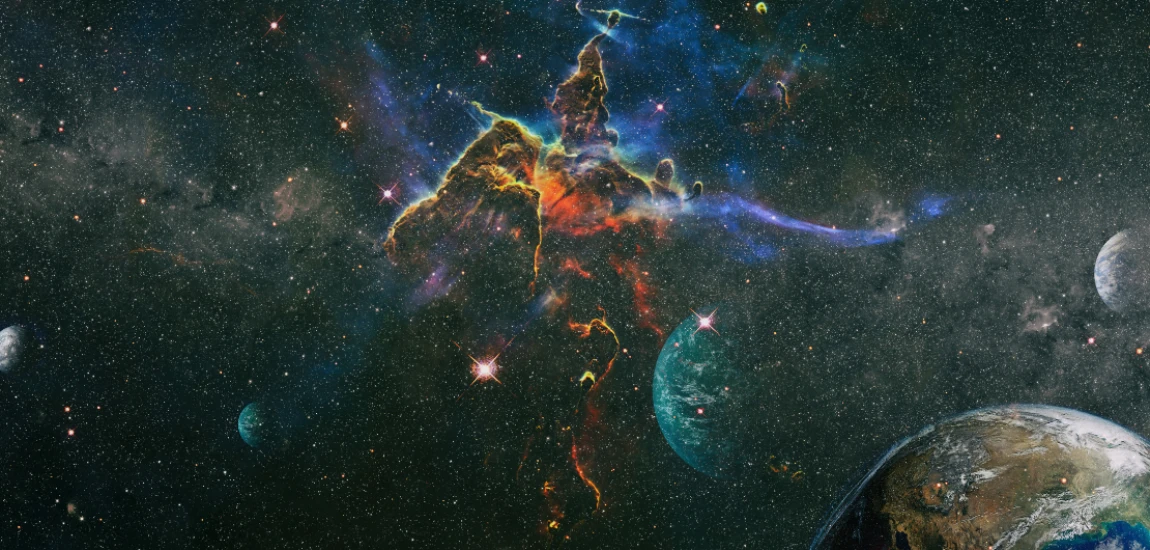
High-resolution animation refers to animated content created at extremely high levels of detail, typically in 4K, 6K, or 8K formats. But resolution is only one part of the equation. The true magic lies in the combination of clarity, texture fidelity, frame rate, and rendering precision that brings every pixel to life. High-resolution animation enhances viewer immersion, makes environments more realistic, and improves motion fluidity across all digital screens. With the rise of ultra-HD displays, streaming platforms, and high-end gaming devices, demand for sharp, highly detailed animation continues to skyrocket.
What High Resolution Really Means in Animation
Resolution isn’t just a number describing pixel count—it’s tied to how much visual information can fit on the screen. Higher resolution allows animators to embed subtle nuances such as skin pores, reflections, fabric threads, and atmospheric effects. When combined with advanced lighting and shading techniques, these details create lifelike visuals that rival live-action footage.
The Impact of Resolution on Storytelling
Sharper animation enriches storytelling by allowing viewers to focus on micro-expressions, dynamic environments, and intricate character details. High-resolution visuals can establish stronger emotional connections and elevate the narrative experience. Animated films, VR simulations, and AAA games rely on these details to create fully immersive worlds.
Why Audiences Expect Ultra-HD Content Today
With the ubiquity of 4K TVs, HDR smartphones, and powerful gaming consoles, audiences expect crystal-clear visuals as the standard. This increase in consumer expectations pushes studios to invest in cutting-edge animation technology to meet global quality benchmarks.
GPU Rendering and Real-Time Engines: The Backbone of Detailed Animation

Behind every stunning high-resolution animation lies powerful rendering technology. GPUs (Graphics Processing Units) and real-time engines like Unreal Engine and Unity have revolutionized how animators create, preview, and finalize high-resolution scenes. These tools significantly reduce render times, improve workflow efficiency, and allow creators to push visual boundaries further than ever before.
The Role of GPUs in High-Resolution Rendering
Modern GPUs are designed to handle millions of polygons, complex textures, and realistic lighting in real time. This computational power allows animators to work with high-resolution assets without lag, enabling smoother workflows. Studios rely on GPU clusters or cloud-based rendering farms to process massive files that would take years on traditional hardware.
Real-Time Rendering in Modern Animation Pipelines
Real-time engines empower animators to preview their work instantly, eliminating the long waits typical in traditional rendering. This speeds up creative decision-making, allows for rapid revisions, and supports complex simulations such as particle effects, fire, water, and smoke. Real-time rendering is now used not just in gaming but also in film production, advertising, and virtual production.
Ray Tracing and Global Illumination
Techniques like ray tracing mimic how light interacts with surfaces in the real world—producing reflections, shadows, and refractions with unmatched accuracy. These lighting algorithms elevate animation from stylized to photorealistic, a crucial component for high-resolution visuals.
Motion Capture, Facial Tracking, and the Rise of Realistic Character Animation

High-resolution animation requires characters that move, react, and express emotions realistically. Motion capture (mocap), facial tracking, and performance capture technologies allow animators to blend human movement with digital artistry. As a result, animated characters now display subtle gestures and micro-emotions that deliver cinematic authenticity.
How Motion Capture Enhances Animation Quality
Motion capture records the movements of real actors and maps them onto digital characters. This creates fluid, natural motion that enhances realism. High-resolution character animation especially benefits from mocap, as detailed visuals demand equally detailed motion.
Facial Tracking for Emotional Precision
Facial capture systems track muscle activity, eye movements, and expressions in real time. This data provides the emotional depth needed to match high-resolution character models. Subtle facial cues become more visible in ultra-HD formats, making facial tracking more important than ever.
Hybrid Animation Techniques
Many studios blend mocap data with hand-keyed animation to achieve the perfect balance between realism and stylization. This hybrid approach ensures that characters look believable while still maintaining the creative style of the animation.
Advanced Texturing, Shading, and Materials for Hyper-Realistic Detail

High-resolution animation is incomplete without meticulously crafted textures and materials. Tools like Substance 3D, Mari, and Quixel Megascans allow artists to create hyper-realistic surfaces—from metallic armor and marble walls to human skin and fabric fibers. The more detailed the texture work, the more convincing the final animation becomes.
Procedural Texturing for Efficiency and Realism
Procedural texturing automatically generates patterns and materials based on mathematical algorithms. This ensures consistency across large scenes and allows for infinite variation without manually painting every detail. It’s widely used for creating terrains, organic surfaces, and environmental elements.
PBR (Physically Based Rendering) Materials
Physically Based Rendering simulates how light interacts with real-world materials. PBR materials produce accurate reflections, shadows, and highlights—essential for high-resolution visuals. These materials ensure that animated objects look believable under different lighting conditions.
Ultra-High-Resolution Texture Maps
4K, 8K, and even 16K texture maps are becoming common in professional pipelines. These detailed maps allow animators to zoom in on objects without losing clarity. For cinematic projects, studios often create multiple versions of texture sets to match different camera distances.
AI, Machine Learning, and Automation in High-Resolution Animation

Artificial intelligence is transforming the animation industry by automating complex processes, enhancing visual quality, and speeding up production timelines. From upscaling footage to generating realistic character movement, AI technologies are powering the future of high-resolution animation.
AI Upscaling and Enhancement Tools
AI algorithms can upgrade low-resolution textures into high-resolution versions, making restoration, remastering, and asset improvement significantly faster. This technology is widely used in remastered films, older games, and digital restoration projects.
Machine Learning for Animation Automation
Machine learning models assist animators by predicting movement patterns, generating in-between frames (interpolation), and creating procedural effects automatically. This automation reduces manual labor and frees artists to focus on creative decision-making.
AI in Facial and Body Animation
AI-driven motion capture systems can animate characters using simple video footage, eliminating the need for expensive equipment. This democratizes high-resolution animation and makes professional-quality output more accessible to indie creators and small studios.


Shivya Nath authors "The Shooting Star," a blog that covers responsible and off-the-beaten-path travel. She writes about sustainable tourism and community-based experiences.
Shivya Nath

Prev Post

Next Post