
How Nostalgia Drives Modern Entertainment Success
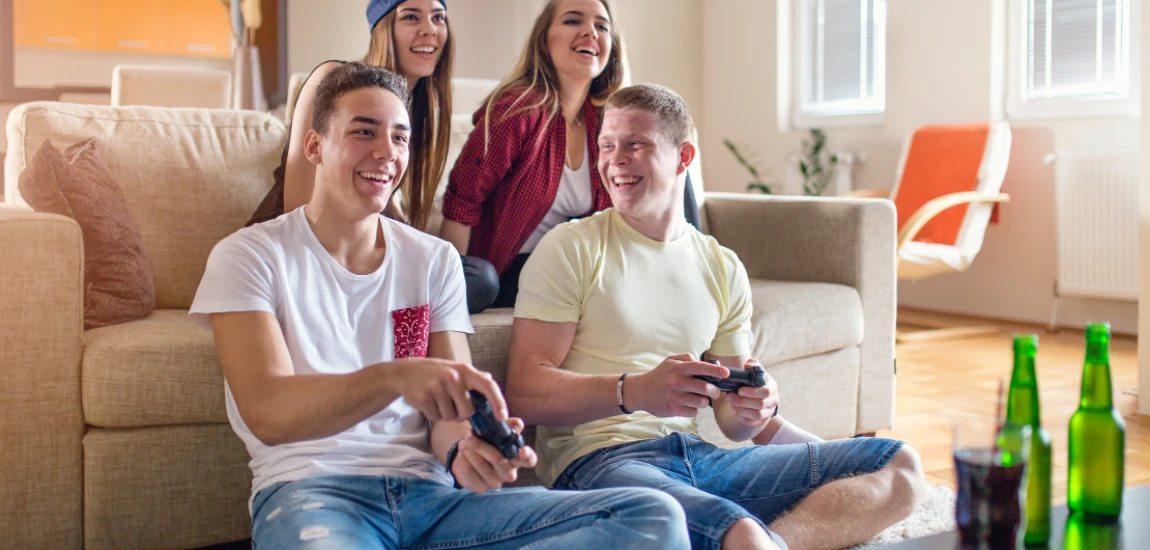
Nostalgia is more than just warm memories—it’s a psychological anchor that reconnects people to the feelings, environments, and experiences they associate with their past. In entertainment, nostalgia taps into deep emotional responses that influence audience behavior, drive loyalty, and increase engagement. As mental health conversations grow louder and modern life becomes more stressful, nostalgic content offers comfort, familiarity, and psychological relief—making it an irresistible tool for creators and marketers alike.
Nostalgia as Emotional Comfort
Many fans turn to nostalgic entertainment when seeking comfort, especially during uncertain times. Old TV shows, classic songs, and childhood movies can evoke a sense of safety by bringing back memories of moments when life felt easier or more predictable. This emotional comfort not only boosts viewership but also strengthens attachment to specific franchises or genres.
How Memory Shapes Consumer Choice
Memory plays a direct role in why certain nostalgic properties perform exceptionally well. When consumers associate positive past experiences with a show, character, or song, they are more likely to re-engage with modern iterations or remastered versions. This emotional preference often overrides interest in brand-new stories.
Nostalgia as Identity Reinforcement
People often use nostalgic entertainment to reconnect with earlier versions of themselves—reflecting on who they were, how they’ve grown, and what cultural eras shaped them. This creates a powerful personal bond between audiences and nostalgic content, influencing long-term cultural trends.
Why Reboots, Remakes, and Revivals Dominate Modern Entertainment

Reboots and remakes have become defining pillars of modern entertainment because they combine the safety of proven storytelling with the excitement of modern innovation. Hollywood studios, game developers, and streaming platforms increasingly rely on nostalgia-driven franchises because they offer predictable success and built-in fanbases.
The Business Logic Behind Reboots
Reboots have significantly lower marketing risks because audiences already recognize the characters, world, and core storyline. This familiarity makes it easier for new versions to generate hype, create viral moments, and attract cross-generational viewers. For studios, nostalgic IPs (intellectual property) are like gold—proven, profitable, and easy to revive.
Modernizing Classic Stories for New Audiences
While nostalgic entertainment attracts older fans, updated remakes are carefully designed to appeal to younger viewers as well. Whether through diverse casting, updated themes, or contemporary humor, creators aim to blend the comfort of familiarity with the relevance of modern culture.
The Cross-Generational Appeal of Nostalgic Content
Nostalgic reboots bring families together—parents share beloved classics with children, and younger generations discover iconic characters through modern reinterpretations. This cross-generational appeal strengthens nostalgia as a long-term entertainment strategy.
The Revival of Retro Aesthetics in Film, Fashion, and Music

From 80s-inspired synthwave music to Y2K fashion and vintage film color palettes, retro aesthetics are everywhere. This resurgence is not a coincidence—it’s a calculated response to consumer demand for media that blends modern sensibilities with old-school charm. Nostalgia-driven aesthetics bridge the gap between eras, creating timeless appeal.
Retro Visuals Create Instant Cultural Connection
Vintage typography, grainy filters, neon lighting, VHS effects, and analog textures immediately evoke memories of a specific era. These visuals help creators build emotional resonance quickly, even in short-form content like trailers, Instagram posts, and TikTok videos. Retro aesthetics create mood instantly.
Music Trends Fueled by Nostalgia
The revival of vinyl, cassette tapes, and retro sound mixing has driven a new wave of nostalgia in the music industry. Artists are sampling early-2000s hits, re-creating 80s synth beats, and embracing the raw, unpolished feel of 90s R&B. These sonic elements remind listeners of the music that defined their youth, sparking widespread streaming and cultural fascination.
Fashion as a Core Nostalgia Market
Y2K fashion, vintage sportswear, wide-leg jeans, and retro accessories have all made major comebacks. Fashion cycles repeat every 20–30 years, and today’s nostalgia craze reflects Gen Z and Millennials' desire to revive iconic looks from earlier decades. Brands amplify this trend through collaborations with legacy designers, old-school sneaker lines, and limited-edition retro collections.
How Nostalgia Shapes Marketing Strategies Across Entertainment Industries

Nostalgia has become one of the most effective marketing tools, influencing everything from movie promotions to brand partnerships and social media campaigns. Entertainment studios use nostalgia to generate buzz, boost sales, and create emotionally charged advertising.
Nostalgic Storytelling in Advertising
Brands often reference classic movies, iconic theme songs, beloved characters, and cultural milestones to instantly connect with audiences. These references trigger shared memories, making the advertisement feel more meaningful. Emotional nostalgia-based marketing often increases brand recall and purchase intent.
Strategic Re-releases and Anniversary Editions
Studios frequently release anniversary editions of classic films, remastered versions of video games, and special collectibles tied to nostalgic moments. These limited-edition releases generate excitement, create scarcity, and encourage fans to participate in milestone celebrations.
Collaborations That Leverage Nostalgia
Modern brands partner with nostalgic IPs—such as Disney, Nickelodeon, old video game franchises, and retro cartoon characters—to develop exclusive merchandise and media campaigns. These collaborations ignite emotional appeal across both older and younger audiences.
The Role of Technology in Reinventing Nostalgic Content

Technology is redefining how nostalgic entertainment is created, consumed, and reinvented. Digital remastering, virtual production, AI-enhanced restoration, and immersive experiences allow old media to become new again. Technology breathes life into content that might otherwise be forgotten.
Digital Remasters and Enhanced Quality
Old films, TV shows, and games are being remastered in stunning high definition. Enhanced colors, sharper visuals, and clearer audio make nostalgic content feel fresh while preserving the original charm. This balance between authenticity and innovation is a major factor in entertainment’s nostalgia boom.
Immersive VR/AR Experiences
Virtual reality and augmented reality allow fans to interact with nostalgic settings in immersive ways—stepping into retro game worlds, exploring iconic film locations, or reliving historic moments. These experiences offer entirely new dimensions of engagement.
AI in Content Restoration and Recreation
AI tools can restore damaged footage, upscale old visuals, and even recreate missing scenes. In gaming, AI helps revive old mechanics while smoothing animation and performance. Technology ensures that nostalgic content stays relevant in the digital era.
The Future of Nostalgia in Entertainment: Trends to Watch

Nostalgia will continue to shape entertainment, but its future lies in hybrid storytelling that blends past and present creatively. As audiences evolve, so will the strategies behind nostalgia-driven content.
New Stories Built on Old Worlds
Instead of simple remakes, creators will increasingly produce new stories set in familiar universes. Spin-offs, origin stories, and world expansions let fans revisit old worlds without repeating old plots.
Nostalgia for the Recent Past
Modern audiences are already nostalgic for the late 2000s and early 2010s—Tumblr culture, early Instagram aesthetics, simple mobile games, and pre-streaming entertainment habits. This “fast nostalgia cycle” will accelerate in the coming years.
The Rise of Global Nostalgia
Different cultures are now sharing their nostalgic entertainment globally—from Korean childhood shows resurfacing on streaming platforms to Latin American music trends inspiring global hits. Nostalgia is becoming a universal language across cultures.


Gary Arndt operates "Everything Everywhere," a blog focusing on worldwide travel. An award-winning photographer, Gary shares stunning visuals alongside his travel tales.
Gary Arndt
Prev Post

Next Post