
Hyper-Color Aesthetics: Why Media Is Getting More Psychedelic
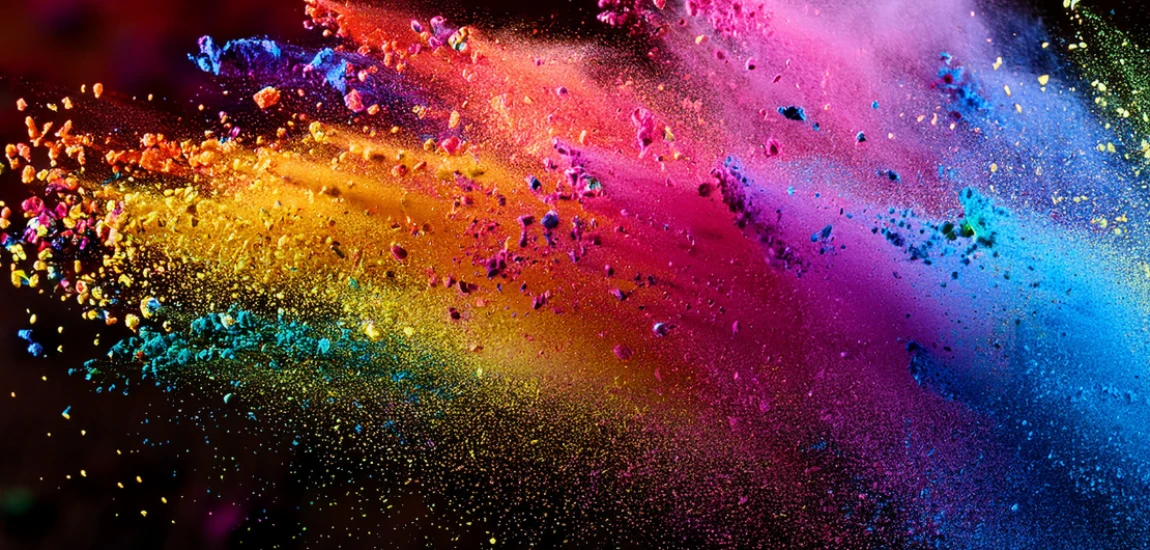
A Global Shift Toward Vivid and Psychedelic Visuals
Hyper-color aesthetics are becoming a defining signature of contemporary media, from Instagram reels to blockbuster films. This rise isn’t accidental—it reflects a worldwide shift toward visual stimulation, escapism, and sensory storytelling. Audiences are increasingly drawn to bright, saturated palettes because they break away from the muted tones that dominated the early 2010s. In a visually competitive digital landscape, hyper-color grabs attention in milliseconds, making it ideal for platform algorithms that reward boldness and instant engagement. As creators push boundaries, hyper-color styling becomes a shortcut for emotional intensity, surrealism, and narrative energy.
Escapism in an Overstimulated Digital Culture
In a world defined by constant notifications, doomscrolling cycles, and information overload, visually heightened media offers a form of escape. Hyper-color aesthetics function like an antidote to monotony—they immerse audiences in worlds where intensity is the norm, not the exception. Neon blues, electric pinks, and holographic purples evoke feelings of fantasy, freedom, and dream-like surrealism. This explains why hyper-color trends coincide with rising interest in VR art, AI-generated imagery, and psychedelic-inspired experiences. People are looking for something that feels more vibrant than reality, and hyper-color delivers it instantly.
The Nostalgia Loop: Reviving and Remixing Psychedelic Eras
Hyper-color aesthetics borrow heavily from past psychedelic movements—1960s poster art, 1980s neon futurism, and early 2000s rave culture. This layered nostalgia resonates deeply with younger audiences who were not alive during those eras but experience them through digital remix culture. Visual trends cycle through decades, but hyper-color combines them all into a hybrid aesthetic: retro futurism meets digital surrealism. By merging analog psychedelia and modern technology, hyper-color aesthetics feel both familiar and radically new, making them perfectly suited for today’s hybrid media environment.
Why Hyper-Color Aesthetics Are Going Mainstream

Algorithmic Visibility: Brightness Wins Attention
Hyper-color aesthetics thrive on platforms where attention spans are short and competition is intense. Social media algorithms favor content that is immediately visually striking, and vibrant color palettes statistically outperform muted tones in impressions and shares. Creators have noticed that neon gradients, high-contrast hues, and psychedelic effects increase click-through rates and watch time. As a result, hyper-color aesthetics have become a strategic choice for anyone aiming to boost visibility in algorithm-driven ecosystems. The brighter the palette, the better the performance.
Younger Generations Prefer Maximalism Over Minimalism
Gen Z and Gen Alpha are driving the shift from minimalist design to maximalist, overstimulated visuals. Their digital upbringing has shaped a visual tolerance for rapid movement, extreme saturation, and collage-like aesthetics. Hyper-color media mirrors the experience of gaming environments, digital fantasy art, and user-generated AR worlds. Younger viewers want stimulation, not simplicity—and brands adapting to these preferences see tremendous engagement. From fashion campaigns to music videos, hyper-color aesthetics match the sensory expectations of a generation raised on visual speed.
The Therapeutic Appeal of Color Intensity
Color psychology plays a major role in the popularity of hyper-color design. Bright, saturated tones are associated with heightened mood, creativity, and emotional release. During periods of global stress and uncertainty, people gravitate toward visuals that uplift or energize them. Hyper-color palettes can induce feelings of joy, rebellion, or euphoria. This is why psychedelic color schemes dominate festival branding, wellness experiences, and digital art therapy platforms. Hyper-color aesthetics tap into deeper psychological needs and offer visual stimulation that feels emotionally rewarding.
How Technology Supercharges the Psychedelic Design Movement

AI Tools Making Psychedelia Accessible to Everyone
Artificial intelligence is democratizing access to hyper-color aesthetics. Tools that once required advanced knowledge of Photoshop or 3D animation are now available to anyone. AI art generators create neon landscapes, fractal swirls, and hallucination-like textures instantly. Creators can experiment with endless palettes, apply psychedelic filters, or build surreal worlds with a single prompt. As AI becomes integrated into everyday content creation apps, hyper-color aesthetics spread faster than ever before.
Advancements in Display Technology Amplifying Color
The hardware we consume media on—smartphones, OLED screens, gaming monitors—now supports richer, more intense color spectrums. HDR technology enhances saturation and contrast, making hyper-color aesthetics visually irresistible. Films and animations designed for high-resolution displays lean into neon palettes to maximize cinematic impact. Even social content looks more luminous thanks to screen innovations, reinforcing the perception that hyper-color is not only stylistic but technologically superior.
Digital Worlds and VR Nurturing Psychedelic Creativity
Virtual reality and immersive platforms are natural homes for hyper-color aesthetics. VR art installations use glowing gradients and pulsating hues to stimulate sensory immersion. Video games increasingly incorporate bioluminescent environments, neon cities, and surreal atmospheres that mirror psychedelic art. The more digital creators explore these virtual worlds, the more psychedelic design influences mainstream media. Hyper-color becomes a tool for building alternate realities—places that feel more magical than the physical world.
Hyper-Color Aesthetics in Film, Fashion, and Social Media

Film and TV: A New Era of Visual Storytelling
Modern cinema is embracing hyper-color aesthetics to break away from the “gritty realism” trend that dominated the early 2020s. Music videos are drenched in neon palettes, sci-fi films use bioluminescent lighting, and experimental movies push psychedelic color to express character psychology. Directors use hyper-color to amplify emotion, symbolism, and atmosphere—allowing color itself to become a narrator. From dreamy coming-of-age films to cyberpunk thrillers, hyper-color visuals make stories more expressive and memorable.
Fashion and Beauty Industries Turning Toward Neon Expression
Runways are showcasing bold color blocking, holographic fabrics, neon accessories, and makeup inspired by digital and rave culture. Hyper-color aesthetics align perfectly with futuristic fashion narratives—AI couture, wearable tech, and glowing materials. Beauty influencers are experimenting with ultraviolet pigments, multicolor eyeliner, and heat-reactive cosmetics that shift hue under lighting. Fashion brands are using hyper-color in campaigns to evoke youthfulness, rebellion, and digital-era glamour.
Social Media Creators Driving Viral Hyper-Color Trends
TikTok, Instagram, and YouTube creators are among the biggest champions of hyper-color design. Their content thrives on visual intensity—glitch art, rainbow gradients, psychedelic transition effects, and neon-lit sets. Hyper-color aesthetics make videos more eye-catching in fast-moving feeds, driving higher engagement. Filters and editing apps offer one-button transformations, making hyper-color content accessible to millions. Influencers shape how trends evolve, blending fantasy visuals with lifestyle content in ways that feel futuristic and fun.
The Psychological and Cultural Impact of Psychedelic Color Palettes

Color as an Emotional Stimulus
Hyper-color aesthetics influence viewers on a subconscious level. Saturated hues stimulate dopamine, making viewers feel more energized and engaged. Studies show that bright colors enhance memory retention, which is why brands rely on neon palettes for marketing impact. In media, hyper-color triggers emotional responses—warm colors spark excitement, cool neon tones evoke mystery, and multicolor blends create dream-like moods. Hyper-color appeals because it activates the senses more aggressively than muted designs.
Escaping Reality Through Visual Overload
Hyper-color aesthetics create alternate realities—worlds that feel unrestrained by conventional logic. This escapist fantasy is part of their appeal. Psychedelic visuals offer a break from the monotony of everyday environments. They encourage creativity, imagination, and emotional exploration. In a time when audiences crave both escapism and expression, hyper-color aesthetics provide immersive experiences that feel alive, fluid, and unpredictable.
Cultural Reflection: A Response to Digital Chaos
Hyper-color aesthetics reflect cultural anxieties and desires. As society grapples with unpredictability, economic pressure, and technological acceleration, vibrant visuals provide a sense of control and empowerment. Hyper-color also symbolizes rebellion against traditional design rules—it rejects minimalism and embraces visual chaos. This cultural shift reveals a growing appetite for individuality, intensity, and identity-driven creativity.


Shivya Nath authors "The Shooting Star," a blog that covers responsible and off-the-beaten-path travel. She writes about sustainable tourism and community-based experiences.
Shivya Nath
Prev Post
Next Post