
The Science Behind Binge-Release vs Weekly Drops and Viewer Retention
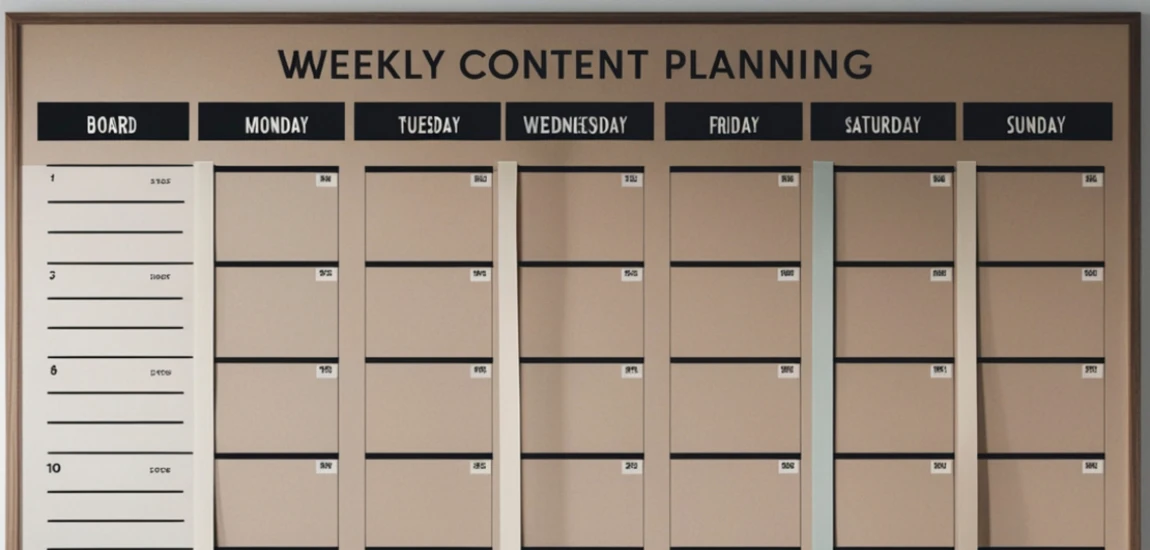
Streaming didn’t just change what we watch—it fundamentally changed how we watch. One of the most influential shifts has been the debate between binge-release vs weekly drops and viewer retention. Should platforms release an entire season at once, encouraging marathon viewing, or stretch episodes over weeks to sustain anticipation and conversation?
This decision is far from arbitrary. Streaming platforms rely on behavioral psychology, neuroscience, attention economics, and predictive analytics to determine which release strategy best serves their business goals. Viewer retention—not just viewership—is the key metric. It’s not enough for audiences to watch; platforms need them to stay subscribed.
Binge releases exploded with early Netflix originals, redefining modern consumption habits. Weekly drops, once seen as outdated, have made a powerful comeback through platforms like Disney+ and HBO, which leverage anticipation and social discourse. Each approach triggers different cognitive responses, emotional attachments, and viewing behaviors.
This blog breaks down the science behind both strategies, examining how dopamine cycles, habit formation, memory encoding, social behavior, and subscription economics influence retention outcomes. By the end, you’ll understand why no single release model is universally superior—and how platforms choose between them.
The Psychology of Binge-Watching and Instant Gratification

Dopamine Loops and Reward Anticipation
Binge-watching taps directly into the brain’s reward system. When viewers know the next episode is immediately available, dopamine spikes occur not just during viewing, but before clicking play. This anticipation-reward loop encourages prolonged sessions, reducing friction between episodes.
Neuroscience research shows that unpredictable narrative rewards—cliffhangers, emotional reveals, unresolved tension—amplify dopamine release. Binge-release models maximize this effect by removing waiting periods, allowing viewers to stay in a heightened emotional state for hours.
Loss of Self-Regulation and Time Compression
Binge releases exploit cognitive time distortion. Viewers underestimate how much time has passed when consuming continuous narrative content. This phenomenon increases total watch hours and creates intense short-term engagement spikes, a metric streaming platforms value for launch performance.
However, this same intensity can lead to faster burnout, where emotional saturation reduces long-term attachment.
Emotional Immersion vs Narrative Fatigue
While binge-watching increases immersion, it can also dilute emotional impact. Major plot points blend together, reducing memory consolidation. Predictive data shows binge viewers often remember how a show made them feel, but struggle to recall specific moments weeks later.
This has direct implications for long-term retention.
Weekly Drops and the Science of Anticipation

Anticipatory Dopamine and Delayed Reward
Weekly episode drops activate a different dopamine mechanism: anticipation over time. Waiting for the next episode builds psychological tension, making the eventual payoff more rewarding. This delayed gratification strengthens emotional attachment and increases perceived value.
Anticipation also encourages mental rehearsal—viewers speculate, theorize, and emotionally revisit the story throughout the week.
Habit Formation and Routine Viewing
Weekly releases align with habit formation science. When episodes drop on predictable schedules, viewers integrate shows into their weekly routines. Habitual engagement is one of the strongest predictors of long-term subscription retention.
This is why weekly shows often sustain steady viewership curves rather than sharp spikes and drops.
Memory Encoding and Story Longevity
Spacing episodes improves memory retention. Cognitive psychology shows that spaced repetition enhances recall. Weekly drops allow viewers to process themes, character arcs, and emotional beats more deeply, making shows feel more meaningful and enduring.
Viewer Retention Metrics in Binge vs Weekly Models

Short-Term Engagement vs Long-Term Retention
Binge releases excel at short-term engagement. Platforms see massive opening-week numbers, strong completion rates, and social buzz. However, retention curves often decline quickly after the season ends.
Weekly drops produce slower initial growth but maintain consistent engagement over longer periods, extending subscriber lifetimes.
Churn Behavior After Season Completion
Predictive AI models show binge viewers are more likely to cancel subscriptions shortly after finishing a season. Weekly viewers, by contrast, remain subscribed longer due to ongoing engagement.
This makes weekly releases particularly valuable for platforms focused on churn reduction rather than viral launches.
Completion Rates and Drop-Off Patterns
Binge releases experience higher mid-season abandonment as viewers fatigue. Weekly releases see higher episode-to-episode completion, as cognitive load is distributed over time.
Retention is not just about finishing a show—it’s about staying engaged with the platform.
Social Interaction, Cultural Conversation, and Retention

Shared Viewing Moments and Collective Memory
Weekly releases create synchronized viewing experiences. When audiences watch episodes around the same time, cultural moments emerge—memes, discussions, and shared emotional reactions.
This collective experience strengthens emotional attachment and keeps shows relevant longer.
Spoiler Culture and Engagement Decay
Binge releases fragment audience timelines. Early viewers race ahead, while others fall behind, reducing shared conversation. Fear of spoilers can even discourage late adoption.
Weekly drops mitigate this fragmentation, sustaining discussion across weeks.
Social Validation and Habit Reinforcement
Engaging in weekly discussions reinforces viewing habits through social validation. Viewers are more likely to return when participation offers social rewards, not just narrative ones.
Platform Economics and Strategic Retention Goals

Subscription Models and Release Strategy Alignment
Platforms optimize release strategies based on business models. Ad-supported platforms benefit from longer engagement windows, favoring weekly drops. Subscription-driven platforms may prioritize binge releases to drive rapid sign-ups.
Retention strategy determines release philosophy.
Content Volume and Platform Maturity
New platforms often use binge releases to quickly build libraries and attract users. Mature platforms with established audiences favor weekly releases to stabilize engagement.
Release strategy evolves with platform lifecycle.
Cost Efficiency and Marketing ROI
Weekly releases extend marketing cycles, reducing the need for massive launch campaigns. Binge releases require intense upfront marketing to capitalize on short attention windows.
Genre, Audience Type, and Release Effectiveness

Narrative Complexity and Release Fit
Complex, serialized dramas benefit from weekly pacing, allowing viewers to digest themes and character development. Lighter genres—comedies, reality TV—perform better with binge releases.
AI models increasingly match release strategies to narrative structure.
Audience Demographics and Viewing Preferences
Younger audiences with flexible schedules favor binge watching, while older viewers often prefer weekly routines. Platforms segment audiences to optimize retention.
Rewatch Value and Longevity
Weekly shows are more likely to be rewatched, as episodic spacing improves memory encoding. This increases long-term library value.


Ben Schlappig runs "One Mile at a Time," focusing on aviation and frequent flying. He offers insights on maximizing travel points, airline reviews, and industry news.
Ben Schlappig

Prev Post

Next Post