
The Future of Intelligent Lighting Ecosystems in Concert Stage Design
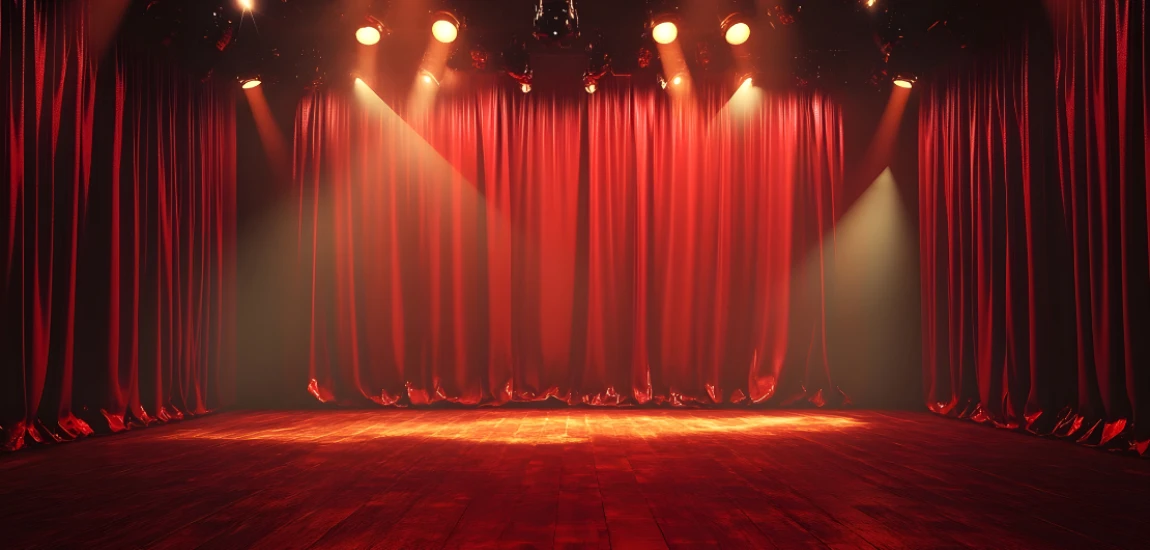
Concert stage design has entered a revolutionary era, thanks to intelligent lighting ecosystems—an advanced integration of automated lighting rigs, real-time control systems, AI-powered lighting decisions, and dynamic audience-aware feedback loops. These cutting-edge systems no longer act as mere decorative elements; they function as active storytelling partners, capable of shifting mood, enhancing choreography, amplifying musical rhythms, and responding to crowd energy with extraordinary precision. As entertainment brands and live performers push toward immersive visual experiences, intelligent lighting ecosystems have become essential tools in building captivating, fluid, and memorable performances.
Below, we explore how these systems work, why they matter, and what innovations are shaping the future of concert stage design.
AI-Driven Lighting Automation and Choreography

AI is powering the next generation of stage lighting, allowing designers to automate complex lighting sequences that once required hours of manual programming. Intelligent lighting ecosystems equipped with machine learning engines can analyze music tracks, interpret beats and emotional cues, and automatically choreograph lighting that syncs perfectly with the performance.
AI as the Director of Light
Modern AI systems evaluate tempo, intensity, frequency patterns, and genre-specific structures to generate lighting schemes that evolve with the music. This allows lighting directors to shift from repetitive programming work to high-level creative decisions. AI doesn't replace designers—it elevates their creative range.
Automating Color Theory and Emotional Atmosphere
AI lighting systems also use emotional tagging, matching colors and brightness levels to specific moods—warm tones for intimacy, sharp contrasts for suspense, and neon palettes for high-energy segments. This enables seamless storytelling, especially for artists with narrative-focused performances.
Dynamic Choreography Without Human Intervention
Instead of following rigid timelines, intelligent lighting rigs can adapt in real time. If a performer decides to hold a note longer, transition earlier, or improvise, the AI system shifts instantly, ensuring that lighting supports the performance instead of restricting it.
Adaptive Lighting That Responds to Audience Energy

One of the most exciting innovations in concert stage design is the ability of intelligent lighting ecosystems to react to audience engagement. Powered by sensors, computer vision, and crowd analytics, the lighting becomes a live participant in the show.
Using Sensors to Interpret Crowd Movement
Infrared sensors, heat maps, and motion tracking allow lighting systems to detect crowd energy—how people move, jump, dance, or wave their arms. During high-energy songs, lights may pulse faster, expand outward, or increase brightness to amplify the atmosphere.
Real-Time Mood Detection
Microphone arrays can track cheering volume and create dynamic lighting reactions. If the crowd roars at a high intensity, lights may burst into wider beams or shift to brighter palettes, creating a feeling of shared celebration.
Personalized Audience Zones
Some concerts now incorporate smart wristbands or seat-based LED modules that sync with the main lighting grid. This creates entire stadium-wide light shows where each audience member becomes part of the design canvas.
Immersive 360° Stage Environments Powered by Intelligent Lighting

Modern performers are increasingly choosing 360° stages or walk-around environments that allow fans to experience the show from all angles. Intelligent lighting ecosystems make this possible by managing complex, multi-perspective designs with ease.
Surround Lighting for Multi-Angle Visibility
Instead of relying on front-oriented lighting, intelligent lighting systems create layers of illumination around the entire stage. This prevents shadows on performers, ensures consistency for live broadcasts, and enhances the fan experience.
Moving Lights That Follow Performers
AI-enabled tracking systems can follow artists automatically across the stage, adjusting brightness, angle, and color temperature as they move. This reduces the need for manual spotlight operators and ensures precision during fast-paced performances.
Multi-Zone Light Orchestration
Intelligent lighting ecosystems divide the stage into zones, each capable of reacting differently to sound, movement, or visual cues. This creates a living, breathing performance space that changes personality throughout the show.
Sustainable Lighting Innovations in Concert Productions

Sustainability has become a major priority for entertainment companies, and intelligent lighting ecosystems offer major efficiency benefits. From low-energy LED systems to automated power management, modern lighting technology helps reduce environmental impact without sacrificing visual impact.
Energy-Efficient LEDs and Laser Lighting
LED fixtures consume significantly less energy than traditional bulbs and generate minimal heat. Laser lighting systems enhance brightness while using fewer resources. Together, they create dramatic effects with eco-friendly performance.
Smart Power Management
Intelligent lighting systems can automatically dim, deactivate, or redirect power to fixtures that need it most. This prevents unnecessary energy expenditure and reduces heat output, minimizing cooling requirements.
Modular Lighting Grids
Modular lighting systems enable productions to scale efficiently. Designers can customize the size and arrangement of lighting rigs depending on venue size, avoiding waste and optimizing energy usage.


Shivya Nath authors "The Shooting Star," a blog that covers responsible and off-the-beaten-path travel. She writes about sustainable tourism and community-based experiences.
Shivya Nath
Prev Post

Next Post