
Synthetic Biology Intelligence Systems and AI-Based Genetic Engineering Architectures
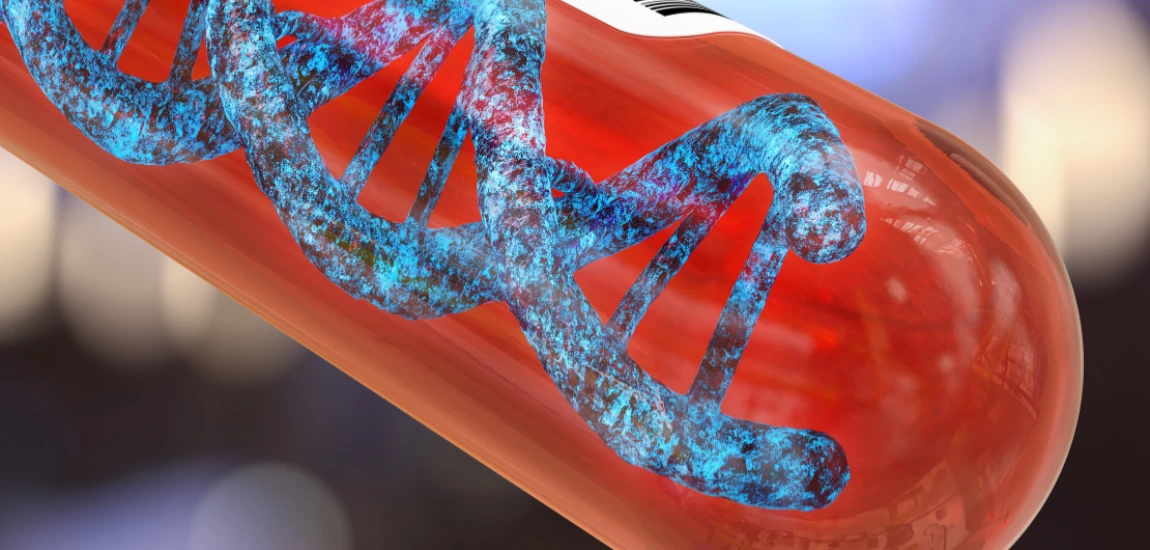
Synthetic biology intelligence systems represent a revolutionary convergence of biology, artificial intelligence, and computational engineering. These systems aim to design, modify, and optimize biological organisms using advanced algorithms and data-driven approaches. By integrating AI into genetic engineering architectures, scientists can now analyze complex biological systems with unprecedented accuracy and efficiency.
Traditionally, genetic engineering relied heavily on trial-and-error methods, which were time-consuming and resource-intensive. However, the introduction of AI has transformed this process into a more predictive and scalable discipline. AI-based genetic engineering architectures enable researchers to simulate biological processes, identify optimal genetic modifications, and accelerate experimentation.
As global challenges such as climate change, food security, and healthcare demand innovative solutions, synthetic biology intelligence systems are emerging as powerful tools. From developing sustainable biofuels to designing personalized medicines, these systems are reshaping the future of biotechnology. This blog explores their architecture, technologies, applications, challenges, and future trends in detail.
Understanding Synthetic Biology Intelligence Systems

What Is Synthetic Biology
Synthetic biology is an interdisciplinary field that combines biology, engineering, and computer science to design and construct new biological systems. It involves modifying genetic material to create organisms with desired traits or functions.
Synthetic biology intelligence systems take this concept further by incorporating AI and machine learning. These systems analyze biological data, predict outcomes, and guide the design of genetic modifications. This makes the process more efficient and precise.
Evolution of Synthetic Biology
The field of synthetic biology has evolved significantly over the past few decades. Early efforts focused on simple genetic modifications, but advancements in sequencing technologies and computational tools have expanded its capabilities.
The integration of AI has accelerated this evolution, enabling researchers to handle complex biological systems and large datasets. Modern synthetic biology intelligence systems can model entire cellular processes, providing deeper insights into biological functions.
Core Components of Intelligence Systems
Synthetic biology intelligence systems consist of several key components, including data acquisition tools, computational models, and experimental platforms. Data acquisition involves collecting genetic and biological information from various sources.
Computational models analyze this data and generate predictions, while experimental platforms validate these predictions in real-world scenarios. Together, these components create a feedback loop that continuously improves system performance.
AI-Based Genetic Engineering Architectures

Role of AI in Genetic Engineering
Artificial intelligence plays a central role in modern genetic engineering. AI algorithms analyze genetic sequences, identify patterns, and predict the effects of modifications. This enables researchers to design more effective and targeted interventions.
AI also helps in optimizing genetic pathways, ensuring that engineered organisms perform desired functions efficiently. This reduces the need for extensive experimentation and accelerates the development process.
Design and Simulation Frameworks
AI-based genetic engineering architectures include advanced design and simulation frameworks. These frameworks allow researchers to model biological systems and test different scenarios before conducting physical experiments.
Simulation tools can predict how genetic changes will affect an organism, helping researchers identify potential issues and optimize designs. This reduces risks and improves success rates.
Automation and Laboratory Integration
Automation is a key feature of AI-based genetic engineering architectures. Robotic systems and automated workflows enable high-throughput experimentation, allowing researchers to conduct multiple experiments simultaneously.
Integration with laboratory equipment ensures seamless data flow between computational models and experimental processes. This enhances efficiency and accelerates innovation.


Derek Baron, also known as "Wandering Earl," offers an authentic look at long-term travel. His blog contains travel stories, tips, and the realities of a nomadic lifestyle.
Derek Baron

Prev Post

Next Post