
Neural Storyscapes: Crafting Films from Brainwaves
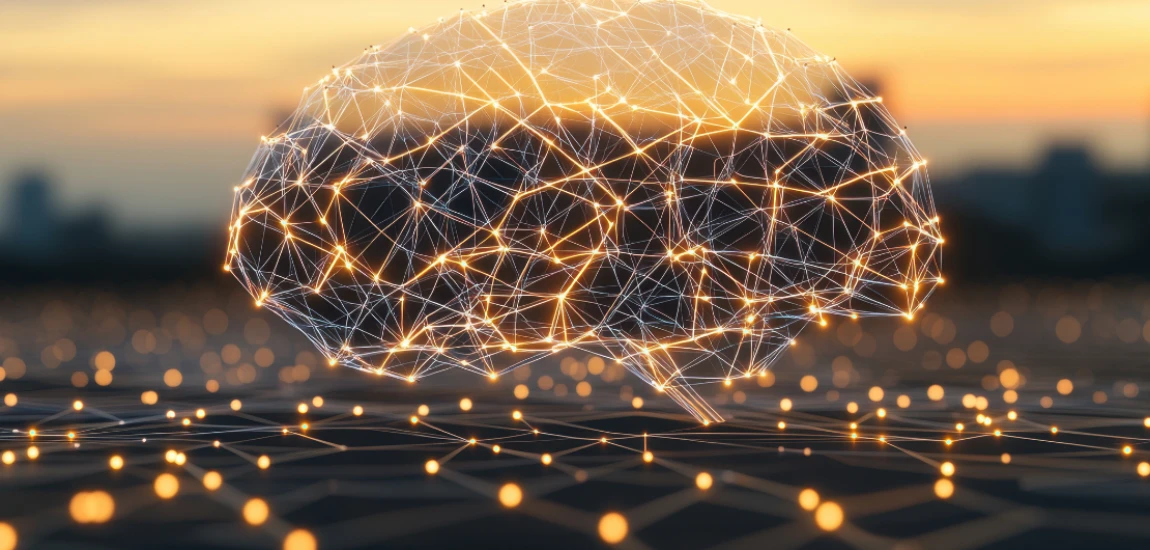
In the ever-evolving landscape of entertainment technology, Neural Storyscapes represent a revolutionary leap forward—where the human mind becomes both the screenwriter and director. This concept blends neuroscience, machine learning, and cinematic art to transform raw brainwave data into fully formed visual narratives. Imagine a film born not from a script but from your subconscious thoughts, emotions, and memories—each scene sculpted by your neural patterns.
At its core, Neural Storyscaping is a process where brain-computer interfaces (BCIs) decode a person’s mental states—dreams, imagination, and emotional reactions—and convert them into structured storylines. Advanced algorithms interpret these brainwave signals, generating visuals, dialogue, and even pacing that reflect the storyteller’s mental flow. What once sounded like science fiction is rapidly becoming a creative reality.
The fusion of mind and machine opens a new creative frontier for artists, filmmakers, and audiences alike. As traditional tools of filmmaking expand to include neural input, storytelling becomes deeply personal—an introspective journey into one’s consciousness that can be shared with the world.
The Science Behind Brainwave Filmmaking

Understanding Brainwave Technology
Neural Storyscapes rely on EEG (electroencephalography) and fMRI technologies to capture brain activity. EEG tracks electrical impulses across the scalp, while fMRI measures changes in blood flow, revealing which regions activate during thought or imagination. Together, they map the storyteller’s mental “landscape.”
Decoding Neural Signals into Visuals
Machine learning models are trained on vast datasets of brainwave patterns and corresponding images. When a creator imagines a forest, the AI learns to associate specific neural signatures with visual imagery—eventually generating lifelike representations of what the mind envisions.
The Role of AI and Deep Learning
AI acts as the translator between abstract thought and cinematic form. Deep learning algorithms analyze complex neural inputs, identifying emotions, pacing, and narrative structure. This synergy allows the AI to generate coherent, emotionally resonant visual stories—a process akin to digital telepathy.
From Imagination to Screen: How Neural Storyscapes Are Created

Capturing the Neural Blueprint
The process begins with recording brain activity as the creator imagines a scene, character, or emotion. The brain’s electrical patterns become data points, forming the creative DNA of the story.
AI Interpretation and Visual Generation
Next, neural data is processed through multimodal AI systems that synthesize imagery, sound, and motion. The result is a visual representation of thought—an artistic manifestation of the storyteller’s inner world.
Editing the Subconscious
Unlike traditional editing, neural storytelling uses feedback loops. The creator views the generated scenes and mentally adjusts their thoughts to reshape the visuals, creating a real-time dialogue between mind and machine.
Real-World Applications and Emerging Experiments

Neuroscience Meets Film Schools
Institutions like MIT Media Lab and Tokyo University are already experimenting with brainwave-driven narrative prototypes. Students can visualize their creative process and produce neural short films.
Therapeutic and Educational Uses
Neural Storyscapes are being tested in therapy and education. Therapists use them to help patients visualize trauma or suppressed memories safely, while educators use them to teach emotional intelligence and creative visualization.
Independent Creators and VR Integration
Indie filmmakers and digital artists are integrating Neural Storyscapes into virtual reality (VR) environments, allowing audiences to “walk through” another person’s imagination in immersive 3D space.
The Intersection of Neuroscience and Creativity

The Mind as a Studio
In this paradigm, the brain is the ultimate production house. Neural signals act as the script, imagination as the camera, and emotions as the soundtrack—merging science and art in one mental ecosystem.
Neuroaesthetics and Emotional Resonance
Neuroaesthetics—the study of how the brain perceives art—plays a vital role in understanding why certain neural films evoke stronger emotional responses. Each person’s brain produces a unique “creative fingerprint.”
Brainwave Diversity in Storytelling
Just as no two people tell the same story, no two brains generate identical neural films. Diversity of thought becomes diversity of art, making Neural Storyscapes a truly inclusive creative medium.
Challenges and Ethical Considerations

Privacy and Data Ownership
When brainwaves become creative assets, questions of ownership arise. Who owns the film—the creator, the AI, or the company processing the data? Protecting neural data will be crucial to prevent misuse.
Creative Authenticity and AI Bias
AI interpretation may unintentionally distort or misrepresent emotions, especially across cultures. Ensuring fairness and accuracy in AI-generated content remains an ethical challenge.
Psychological and Emotional Safety
Accessing subconscious material can be emotionally intense. Ethical frameworks must protect creators from potential distress when confronting repressed memories or emotions visualized through Neural Storyscapes.
How Neural Storyscapes Could Transform Hollywood

Personalized Cinema
Studios could soon offer interactive films tailored to each viewer’s brainwaves. Imagine watching a movie that changes based on your emotional reactions in real time—an evolving story uniquely yours.
Redefining Directorial Vision
Directors might collaborate with neural artists to visualize abstract emotions or dreamlike sequences that traditional filmmaking can’t capture, expanding creative boundaries.
Democratizing Film Production
With Neural Storyscapes, filmmaking becomes accessible to anyone with a neural headset and imagination—breaking down industry barriers and empowering grassroots creativity.
The Future of Audience Experience

Brainwave-Responsive Storytelling
Future cinemas could integrate biometric feedback systems that adjust sound, lighting, or plot elements based on audience reactions—creating emotionally synchronized viewing experiences.
Shared Neural Experiences
Imagine watching a film that blends multiple people’s brainwaves into one collective story. This “shared consciousness cinema” could redefine collaborative storytelling and audience engagement.
Interactive Dreams and Sleep Cinema
Researchers are exploring ways to record dream patterns during REM sleep, allowing creators to literally turn dreams into films—ushering in the era of “sleep cinema.”
The Road Ahead: Reimagining Creativity in the Neural Age

Merging Human Intuition and Artificial Intelligence
The future of Neural Storyscapes lies in symbiosis—where human creativity and AI intelligence co-create in harmony. The goal isn’t to replace artists but to amplify imagination beyond cognitive limits.
Expanding Cultural and Global Impact
As Neural Storyscapes gain traction, they will influence not only film but also gaming, music, literature, and digital art, reshaping global creative industries.
The Philosophical Shift
Ultimately, Neural Storyscapes challenge us to rethink what it means to “create.” If thoughts can become films, where does the line between imagination and reality blur? The mind may soon become the new movie screen—an infinite canvas for human experience.


Ben Schlappig runs "One Mile at a Time," focusing on aviation and frequent flying. He offers insights on maximizing travel points, airline reviews, and industry news.
Ben Schlappig
Prev Post
Next Post