
Algorithmic Auteurs: When Code Defines a Director’s Vision
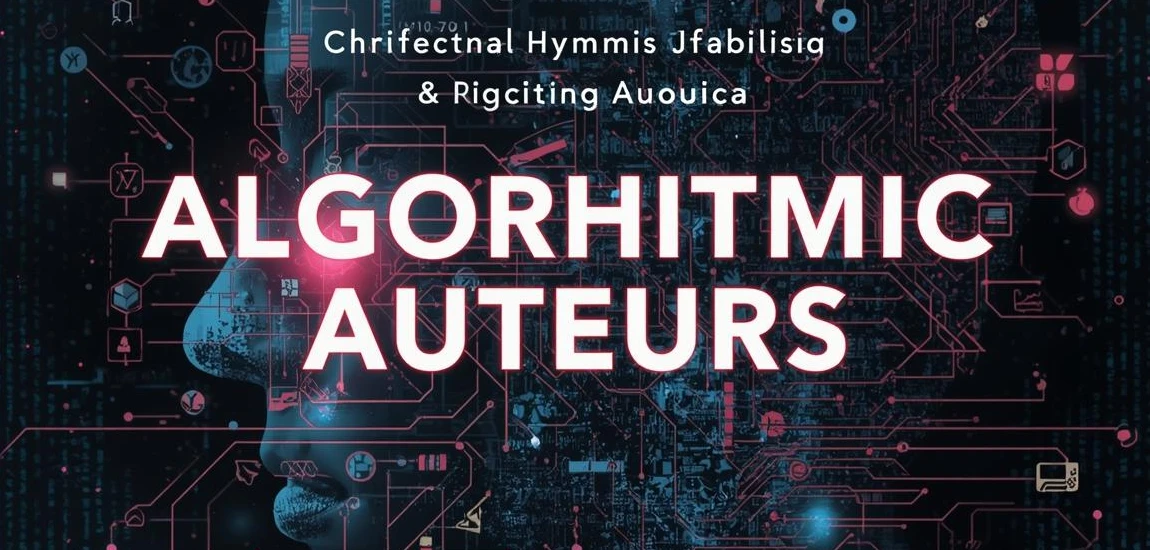
In the era of streaming platforms, synthetic creativity, and data-driven entertainment, the term “auteur” is evolving. Once reserved for filmmakers whose distinct creative fingerprints shaped every frame, it’s now being redefined by algorithms and artificial intelligence. Algorithmic auteurs represent a new frontier—where artistic vision merges with computational precision. They aren’t just using technology to assist creativity; they’re co-directing with it.
This shift raises profound questions: Can code capture emotion? Can an algorithm truly have a style? And what happens when data begins to dictate what stories get told? In this blog, we’ll explore how AI, data analytics, and creative algorithms are reshaping filmmaking—from concept to post-production—and what this means for the next generation of digital storytellers.
The Rise of Algorithmic Auteurs: A New Kind of Visionary

The Shift from Auteur Theory to Algorithmic Intelligence
In the mid-20th century, auteur theory celebrated directors like Alfred Hitchcock, Jean-Luc Godard, and Stanley Kubrick—visionaries whose creative control made their films instantly recognizable. Today, a new breed of auteurs is emerging: those who use AI models, machine learning algorithms, and data-driven storytelling tools to enhance or even originate creative choices. These “algorithmic auteurs” rely on code as a creative collaborator, treating data like a co-writer or co-director rather than a constraint.
AI as Creative Co-Author
From AI-assisted scriptwriting tools like Sudowrite to editing platforms that learn a director’s preferred pacing, artificial intelligence has become more than a background tool—it’s part of the artistic process. Directors are training AI models on their previous works to develop “style profiles” that can suggest shots, transitions, or color palettes aligned with their cinematic identity. This doesn’t diminish human creativity; rather, it redefines it through collaboration.
The Emergence of the ‘Digital Signature’
Where auteur cinema once emphasized visual motifs or narrative idiosyncrasies, algorithmic auteurs exhibit a digital signature—patterns in data training, algorithmic tone generation, or AI-assisted editing choices. Directors like Lars von Trier, Spike Jonze, and experimental studios like Proto have already begun exploring machine-generated story structures, where emotion and data converge to redefine the storytelling experience.
Data-Driven Direction: How Analytics Shape Modern Storytelling

Predictive Storytelling and Audience Data
In an industry where attention is currency, data analytics now plays a critical role in shaping creative decisions. Streaming giants like Netflix, Amazon Prime, and Hulu collect massive datasets on viewer behavior—from pause rates to completion percentages—to predict what kinds of stories will resonate. This information doesn’t just influence marketing; it informs story arcs, pacing, and even character design.
From Data to Direction
Algorithmic auteurs use data like a cinematographer uses light—it illuminates the possibilities. By interpreting emotional heatmaps from test audiences or social media sentiment, directors can tweak dialogue rhythms, adjust visual tone, or predict emotional peaks. For instance, Netflix’s AI-driven storytelling model once analyzed global data to recommend greenlighting “House of Cards”—a show that became a cultural phenomenon.
Ethics and Artistic Integrity
However, relying too heavily on data risks turning art into a formula. The challenge for modern filmmakers is maintaining artistic integrity while navigating algorithmic influence. True algorithmic auteurs use data as guidance, not gospel—balancing intuition with analytics to ensure storytelling remains soulful, not statistical.
When Algorithms Direct the Camera: AI in Production and Cinematography

AI-Powered Previsualization
Gone are the days of crude storyboards and manual previsualization. Modern directors use AI-based tools like Runway, Midjourney, and Kaiber to generate photorealistic scenes before filming even begins. These systems help directors visualize composition, mood, and movement—optimizing production schedules and budgets.
Smart Cameras and Machine Vision
Cinematography is also entering an algorithmic renaissance. Smart cameras now use machine vision algorithms to analyze movement, focus automatically on key emotional moments, and even anticipate actor gestures. For example, AI-driven camera systems can detect tension or motion intensity and subtly adjust framing to capture the emotional essence of a scene.
Redefining the Role of the Cinematographer
Far from replacing human creativity, these tools expand it. Cinematographers are evolving into AI supervisors, guiding intelligent systems that understand tone, texture, and rhythm. The art lies in teaching machines to “see” emotionally—a challenge that defines the next era of visual storytelling.
Writing with Code: AI Screenplays and Narrative Generation

The Algorithm as Story Architect
AI-generated screenplays have shifted from experimental novelties to legitimate pre-production tools. Models like OpenAI’s GPT, ScriptBook, and DeepStory analyze thousands of scripts to identify successful narrative patterns, helping writers structure compelling stories. While some fear that AI homogenizes creativity, others see it as a catalyst for innovation—helping writers break clichés and test unconventional plotlines.
Collaborative Storytelling with AI
Writers and directors now use AI to co-create character arcs or generate alternate endings. For example, in interactive films like Bandersnatch, AI algorithms analyzed user responses to create adaptive narrative paths. Such collaborations turn filmmaking into a dialogue between human imagination and computational logic—a space where creative unpredictability thrives.
Creative Control and Ownership
But who owns an AI-generated story? This question sits at the heart of the algorithmic auteur debate. As algorithms learn from existing works, they inherit biases and aesthetic tendencies, blurring the line between homage and replication. Filmmakers must now consider authorship in a world where code co-writes the script.
Post-Production and Algorithmic Editing: The New Frontier of Creative Precision

AI-Assisted Editing and Mood Analysis
Post-production is where the algorithmic auteur’s influence becomes most tangible. AI editing tools like Adobe Sensei and DaVinci Resolve’s neural engine analyze footage for rhythm, lighting, and emotion—automatically generating rough cuts that align with the director’s prior stylistic patterns. The machine doesn’t just cut; it interprets.
Emotion Recognition and Scene Optimization
Advanced models now use emotion recognition algorithms to evaluate an actor’s performance, ensuring consistency across scenes. These systems can detect micro-expressions and tonal variations, allowing editors to select the most emotionally resonant takes. The result is a more immersive, data-refined viewing experience.
Creative Collaboration, Not Replacement
AI tools are redefining collaboration. Instead of replacing editors, they handle mechanical tasks—syncing, sorting, cataloguing—freeing creative teams to focus on nuance and narrative flow. In essence, the algorithmic auteur uses technology not to automate art, but to amplify it


Operating "The Blonde Abroad," Kiersten Rich specializes in solo female travel. Her blog provides destination guides, packing tips, and travel resources.
Kiersten Rich
Prev Post
Next Post