
Eco-Entertainment: Sustainability as the Next Frontier in Media Production
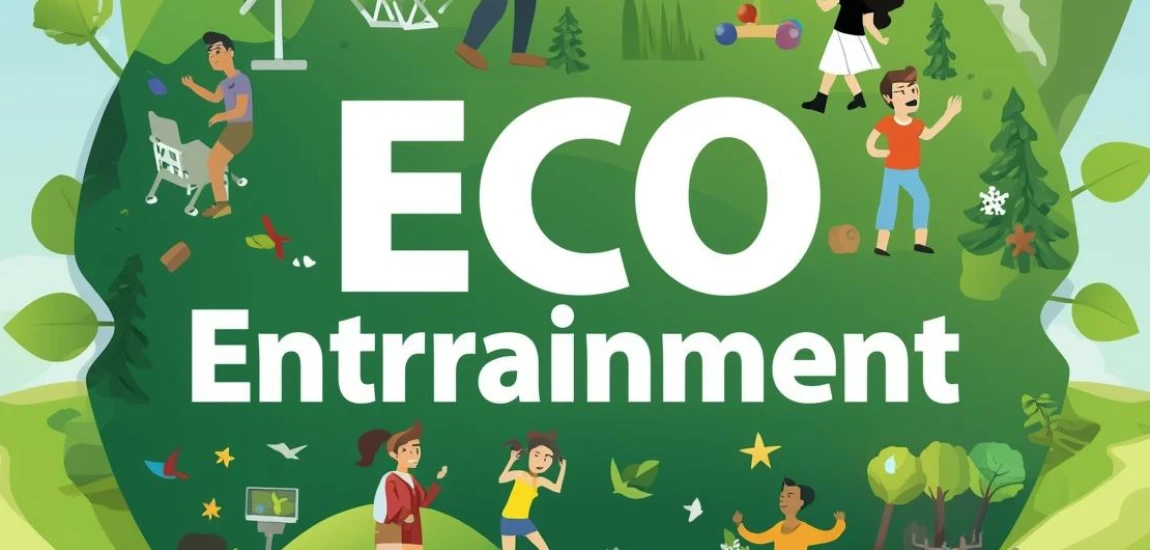
The global entertainment industry—once known for its glamour, high budgets, and massive carbon footprints—is undergoing a radical transformation. “Eco-entertainment” is no longer a niche buzzword but a growing movement shaping how stories are told, filmed, and distributed. As the climate crisis intensifies, film studios, streaming platforms, and production houses are reevaluating their environmental impact, aiming to merge creativity with sustainability.
According to research by the British Film Institute, a single major film production can generate over 2,800 tons of CO₂, equivalent to the annual output of 370 homes. That’s just one movie. Multiply that by hundreds of productions each year across Hollywood, Bollywood, and beyond, and the environmental toll becomes staggering. In response, the industry is adopting greener technologies—from solar-powered sets to digital workflows that eliminate waste.
This new chapter in entertainment reflects a broader cultural shift: audiences increasingly want the content they consume to align with their values. As streaming platforms and production studios race to meet sustainability goals, eco-entertainment is quickly becoming the next frontier of creative innovation.
The Environmental Impact of Traditional Media Production

The Carbon Cost of Creativity
Film and television productions are resource-intensive. From lighting rigs to travel logistics, every element leaves a carbon footprint. On-location shoots often require transporting cast, crew, and heavy equipment across continents. The result? Massive fuel consumption, waste generation, and energy use. A single blockbuster can use more power in a week than an entire neighborhood does in a year.
Material Waste on Set
Set design and prop construction often produce tons of waste. Once filming wraps, many sets are dismantled and discarded rather than repurposed. Non-biodegradable materials, synthetic paints, and single-use plastics dominate most productions, contributing to landfills and pollution. Even costumes and promotional materials add to the waste problem.
The Hidden Costs of Post-Production
Post-production, too, consumes energy. Massive data centers used for rendering visual effects, storing footage, and streaming content require enormous amounts of electricity—often sourced from non-renewable energy. While digital distribution has reduced physical waste, it has created new sustainability challenges in the form of data-driven carbon emissions.
Green Production Practices Transforming the Industry

Sustainable Set Design and Construction
Eco-conscious production design is gaining traction. Studios like Warner Bros. and BBC Studios are now reusing and recycling sets to reduce waste. Using reclaimed wood, modular set pieces, and water-based paints not only lowers environmental impact but also reduces costs in the long run.
Energy-Efficient Filming Techniques
LED lighting has replaced energy-hungry tungsten bulbs, slashing power consumption by up to 80%. Productions are also turning to renewable energy sources, such as portable solar panels and biodiesel generators, to power sets. Even camera equipment is being optimized for efficiency, using batteries designed for longer life cycles and minimal waste.
Waste Management and Recycling Initiatives
Many productions have started implementing “zero-waste” policies. Composting food waste, providing refillable water stations, and banning single-use plastics are now standard practices on progressive sets. The Sustainable Production Alliance (SPA) and Albert Certification in the UK have become benchmarks for measuring and certifying green productions.
Streaming Platforms and Their Role in Sustainable Media

Digital Doesn’t Always Mean Green
While streaming eliminates physical DVDs and packaging waste, it’s not without its ecological costs. Data centers powering platforms like Netflix, Disney+, and Amazon Prime consume vast amounts of electricity, often sourced from fossil fuels. The challenge now is making digital entertainment truly sustainable.
Commitments to Carbon Neutrality
Netflix’s “Net Zero + Nature” initiative aims to achieve net-zero greenhouse gas emissions by 2030. Similarly, Apple TV+ and Google’s YouTube are investing in renewable energy to power their servers. These efforts signal a broader commitment across the industry to reduce digital emissions.
Sustainable Content Curation
Beyond operations, streaming giants are curating content that promotes environmental awareness. Documentaries like Our Planet and Before the Flood not only raise ecological consciousness but also inspire audiences to adopt greener lifestyles. This demonstrates that sustainability isn’t just a behind-the-scenes issue—it’s also shaping storytelling itself.
The Rise of Eco-Themed Storytelling and Conscious Content

Narratives That Inspire Change
Filmmakers are increasingly integrating environmental themes into their narratives. Movies like Don’t Look Up and Erin Brockovich, and series such as Down to Earth with Zac Efron, showcase how entertainment can spark global conversations about sustainability, climate action, and consumer responsibility.
Authentic Storytelling and Representation
Today’s audiences value authenticity. Productions that feature sustainable living, indigenous ecological wisdom, and climate resilience resonate deeply with viewers. This shift isn’t just artistic—it reflects a social responsibility to use media as a tool for education and empowerment.
Greenwashing vs. Genuine Efforts
However, not all eco-themed content is created equal. Some projects use “green” as a marketing gimmick rather than a genuine message, a practice known as greenwashing. True eco-entertainment goes beyond aesthetics; it requires ethical production practices, factual storytelling, and transparency in how sustainability goals are achieved.
Innovations Driving Sustainable Media Production

Virtual Production and LED Volumes
Virtual production, popularized by The Mandalorian, uses LED walls and CGI environments to simulate real-world locations. This drastically reduces travel emissions, logistics costs, and environmental disturbance. By keeping production indoors, studios can eliminate the need for massive on-location shoots.
AI and Data-Driven Efficiency
Artificial intelligence is also playing a surprising role in sustainability. AI can optimize schedules, reduce idle energy use on set, and streamline editing processes. Tools that analyze lighting, resource usage, and travel planning are helping producers make smarter, greener decisions.
Carbon Tracking and Offset Technologies
New digital tools like Greenspark and albert+ allow productions to track their carbon footprint in real-time. By identifying where most emissions occur, producers can take immediate corrective actions. Some studios are also investing in carbon offset projects—such as tree planting and renewable energy funds—to balance their impact.


Known as "Nomadic Matt," Matthew Kepnes offers practical travel advice with a focus on budget backpacking. His blog aims to help people travel cheaper and longer.
Matthew Kepnes

Prev Post

Next Post