
How Streaming Platforms Use Behavioral Data to Design Opening Scenes That Hook Viewers
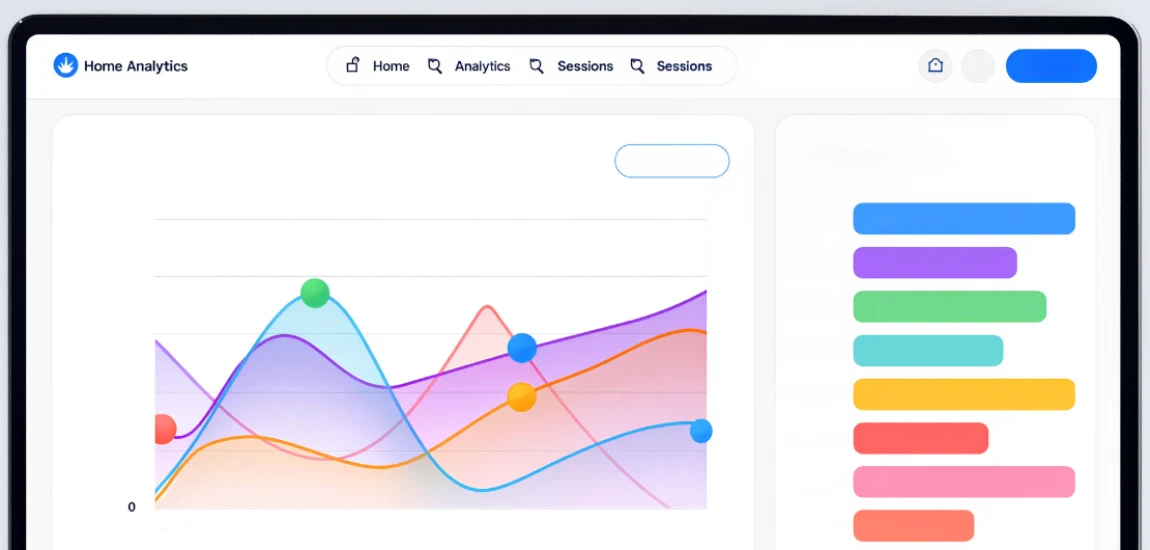
In the world of streaming, attention is the most valuable currency. Viewers are surrounded by endless choices, autoplay previews, and algorithm-driven recommendations. As a result, the opening moments of a show carry enormous weight. Streaming platforms know that if a viewer isn’t hooked within the first few minutes, they’re likely to abandon the episode entirely. This is why behavioral data in streaming has become central to how opening scenes are designed.
Unlike traditional television, where audiences often committed to a full episode out of habit, streaming viewers make rapid decisions. Platforms track exactly when viewers press play, pause, rewind, skip, or exit. These micro-interactions generate powerful insights into what captures attention—and what loses it.
Opening scenes are no longer just creative introductions. They are carefully engineered engagement gateways. Platforms analyze millions of viewing sessions to identify patterns that correlate with retention: how fast a story begins, when the first emotional beat lands, and how soon a mystery or conflict is introduced.
This article breaks down how behavioral data shapes opening scenes, from pacing and emotional triggers to character introductions and visual design. By understanding these techniques, creators can better navigate the data-driven reality of modern streaming storytelling.
How Streaming Platforms Collect and Interpret Behavioral Data

Tracking Viewer Actions in Real Time
Streaming platforms collect vast amounts of behavioral data from every viewing session. This includes when viewers start watching, how long they stay, where they pause, and when they abandon an episode. Even subtle actions—like rewinding a scene or adjusting volume—provide insight into engagement levels.
This real-time data allows platforms to pinpoint exact moments where attention spikes or drops. Opening scenes are examined with particular scrutiny because early exits are strongly correlated with long-term disengagement.
Identifying Drop-Off Thresholds
Data analysis reveals consistent drop-off thresholds, often within the first 2–5 minutes. Platforms use these thresholds as benchmarks when evaluating new content. If a significant percentage of viewers exit before the opening act concludes, the opening is flagged as ineffective.
These insights directly inform development notes and creative guidelines.
Pattern Recognition at Scale
Machine-learning models compare thousands of opening scenes across genres to identify common traits associated with strong retention. These patterns form the foundation for data-informed storytelling decisions.
Designing Openings for Instant Engagement

The Shift Toward Immediate Narrative Hooks
Behavioral data shows that slow, atmospheric openings often struggle in streaming environments. As a result, many shows now introduce conflict, mystery, or emotional tension almost immediately.
This doesn’t mean every opening must be explosive—but it must raise a compelling question quickly.
Front-Loading Emotional Beats
Platforms analyze when emotional engagement occurs. Openings that establish empathy, urgency, or intrigue early tend to retain viewers longer. Writers are encouraged to create emotional anchors within the opening minutes.
These anchors give viewers a reason to stay invested.
Reducing Cognitive Friction
Complex exposition early in an episode increases cognitive load and correlates with higher abandonment. Data-driven openings prioritize clarity, using visuals and action rather than dense dialogue to convey information.
How Character Introductions Are Optimized Using Data

Faster Character Identification
Behavioral data shows that viewers engage more when they quickly understand who to root for. Opening scenes now focus on clearly defining a protagonist’s goal, flaw, or conflict almost immediately.
Ambiguous or delayed character introductions often lead to early exits.
Relatability Metrics and Viewer Attachment
Platforms analyze which characters viewers rewatch, follow across episodes, or search for. These insights reveal traits associated with early attachment, such as vulnerability, competence, or moral tension.
Opening scenes increasingly emphasize these traits to accelerate emotional connection.
Ensemble Introductions vs Singular Focus
Data suggests that introducing too many characters early can overwhelm viewers. Successful openings often focus tightly on one or two characters before expanding the cast.
This approach helps viewers form stronger attachments more quickly.
Pacing, Editing, and Visual Design in Data-Driven Openings

Faster Cuts and Visual Momentum
Behavioral analytics reveal that visually dynamic openings retain attention better than static ones. This has led to faster pacing, tighter editing, and more visually engaging compositions in opening scenes.
However, speed is balanced with clarity to avoid confusion.
Using Visual Questions Instead of Exposition
Rather than explaining the world, data-informed openings show intriguing visuals that raise questions. Viewers are more likely to stay when curiosity is activated visually rather than through dialogue-heavy exposition.
This technique reduces early cognitive fatigue.
Sound Design and Music as Engagement Tools
Platforms also analyze how audio affects engagement. Sudden silence, distinctive sound cues, or emotionally charged music early in an episode can significantly improve retention.
Opening sound design is now treated as a strategic hook.
A/B Testing and Iteration of Opening Scenes

Testing Multiple Versions Before Release
Some streaming platforms test different opening cuts internally or with limited audiences. Behavioral data from these tests determines which version performs best in retaining viewers.
This iterative approach treats opening scenes as optimizable assets.
Learning from Near-Failures
When shows underperform, platforms analyze opening scenes to identify where engagement drops. These insights inform future projects and development guidelines.
Data-driven learning accelerates creative evolution.
Feedback Loops Between Data and Creators
Writers and directors increasingly receive data-informed feedback during development. While not prescriptive, these insights help creators anticipate engagement risks early.


Anil Polat, behind the blog "FoxNomad," combines technology and travel. A computer security engineer by profession, he focuses on the tech aspects of travel.
Anil Polat

Prev Post

Next Post