
How Social Media Trends Transform Scriptwriting
Understanding the Influence of Real-Time Culture
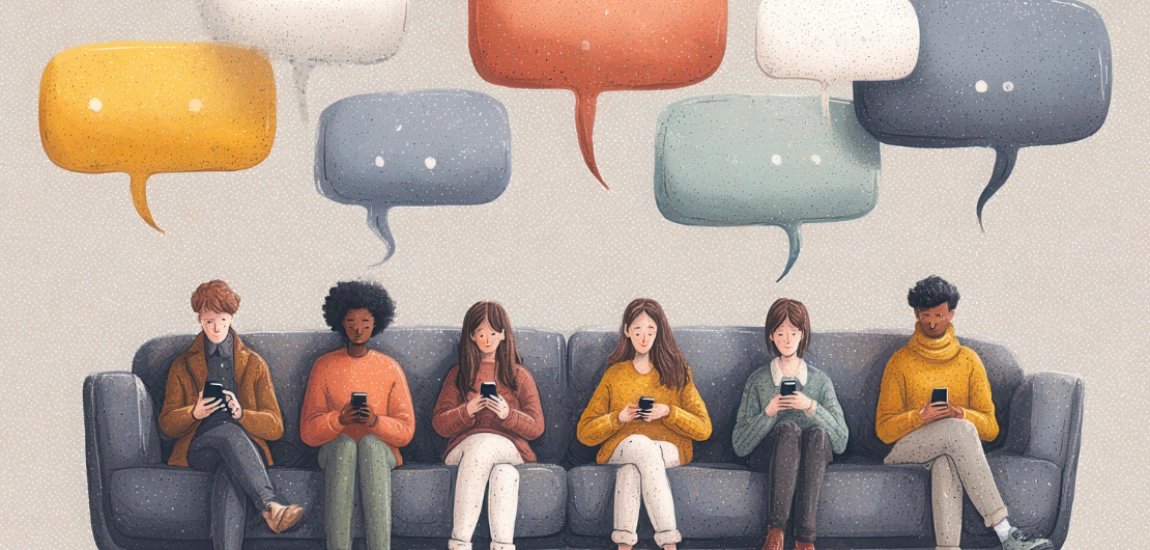
The rise of social media has accelerated how audiences consume and respond to entertainment. Platforms like TikTok, Instagram Reels, and X (formerly Twitter) have turned content into a live conversation—one where viewers actively contribute to shaping story expectations. For scriptwriters, this means crafting narratives that match the speed, tone, and rhythm of online culture. Real-time reactions can instantly make a storyline popular or spark backlash, influencing how writers adjust future scripts. This evolving feedback loop creates a more dynamic storytelling environment where trends can overnight become essential themes in modern scripts.
Social Media as a Cultural Mirror
Social platforms reflect current values, humor styles, anxieties, and collective interests. Writers now reference trending memes, viral sounds, lifestyle aesthetics, and internet slang to remain culturally relevant. Scriptwriting has shifted from simply telling a story to also reflecting the internet-driven patterns of communication people use daily. This allows scripts to feel more authentic to Gen Z and millennial audiences who primarily discover new content online.
Adapting Scriptwriting for Trend-Centric Viewers
Today’s writers also understand that audiences expect content to be “clippable” or shareable. This has influenced how scenes are structured—shorter beats, punchier dialogue, and emotionally charged moments ideal for social sharing. Scriptwriting is no longer just about narrative flow but also about viral potential. This shift marks a new era of entertainment where social media and storytelling work hand in hand.
Viral Dialogue: How Online Language Shapes What Characters Say

Incorporating Modern Slang and Internet Speech
One of the most noticeable ways social media transforms scriptwriting is through dialogue. Writers are incorporating viral slang, short-form expressions, reaction terms (like “it’s giving…”), and meme-inspired phrases to create relatable characters. This linguistic shift allows scripts to mirror how people communicate online, making scenes more authentic, humorous, and up-to-date. However, writers must be careful not to overuse internet slang, which can age quickly. The challenge is balancing trendy dialogue with timeless storytelling.
The Rise of Meme-Driven Humor
Memes have become a universal language, and writers now weave meme-inspired humor into scripts to connect with younger viewers. This can include ironic commentary, hyper-relatable complaints, chaotic humor, or exaggerated reactions—all hallmarks of social media comedy. Shows like Euphoria, Abbott Elementary, and numerous web series have used meme-style humor to strengthen audience engagement. Scriptwriters now consider whether certain lines or reactions could become memes themselves, enhancing the show’s cultural reach.
Dialogue Designed for Shareability
Social media rewards short, punchy, emotional, or comedic snippets—so scriptwriters intentionally craft lines that resonate in this format. These lines often become audio clips on TikTok, trending quotes on Instagram, or reaction content on X. The viral potential of dialogue boosts visibility, helping shows and movies gain traction. As a result, writers are leaning into impactful, witty, and emotionally charged language that can spark online conversation.
Short-Form Content Influence: Changing Script Pacing and Scene Structure

The Rise of Quick Pacing Inspired by TikTok and Reels
Short-form video platforms have greatly influenced how stories unfold. Audiences accustomed to 10–60-second videos now expect faster pacing, especially in comedy, drama, and teen-oriented content. Scriptwriters have adapted by shortening scenes, reducing slow exposition, and creating more dynamic pacing. Instead of long buildup sequences, writers jump into the emotional or comedic core much sooner. This doesn’t diminish quality; instead, it modernizes storytelling to align with digital consumption habits.
Micro-Moments in Storytelling
Short-form content has also popularized the concept of “micro-moments”—tiny, emotionally resonant beats that stand out. These include eye-contact sequences, subtle gestures, quick comedic reactions, or brief but powerful lines. Writers now pay attention to micro-moments that can be clipped and shared, providing extra value beyond the standard viewing experience.
Balancing Traditional Narrative Flow with Modern Expectations
Although pacing has sped up, quality storytelling still requires emotional depth and narrative logic. Modern scriptwriters must balance rapid-fire scenes with sections that allow for character development. This hybrid approach ensures that stories remain engaging for both traditional viewers and digital-first audiences who prefer short-form content. The challenge lies in blending cinematic rhythm with internet-inspired pacing patterns.
Audience Data and Analytics: The New Compass for Scriptwriters

Understanding Viewer Preferences Through Digital Insights
Thanks to social media analytics, writers now understand what audiences want with unprecedented clarity. Platforms provide data on engagement spikes, most-replayed moments, skipped scenes, and trending topics. This data helps writers identify which themes resonate—romantic tension, friendship dynamics, dark humor, or plot twists. It allows for more informed scriptwriting decisions based on actual viewer behavior.
Predicting Story Trends Through Algorithms
Streaming platforms and social media algorithms highlight emerging interests before they hit mainstream culture. Writers monitor trends such as nostalgia waves, aesthetic movements, or shifting genre preferences. When a particular trope or theme gains traction—like “found family,” “villain redemption,” or “cozy mystery”—writers can integrate these elements early, ensuring scripts feel relevant.
The Ethical Debate Around Data-Driven Creativity
While data insights are helpful, some argue they risk diluting originality by pushing writers toward predictable formulas. Scriptwriters must strike a balance between innovation and trend-responsiveness. The best scripts blend creative intuition with analytical understanding—using data to guide, not dictate, the story. This new balance creates space for fresh narratives that still align with audience desires.
Character Archetypes Evolving Through Social Trends

The Internet’s Impact on Modern Archetypes
Social media has introduced new personality templates that resonate deeply with viewers: the “relatable mess,” the “chaotic best friend,” the “soft boy,” or the “girlboss turned self-aware.” These archetypes often originate online before appearing in shows and films. Scriptwriters now draw inspiration from viral personalities, fan edits, and influencers, shaping characters who embody modern-day energy and humor.
Diverse Representation Driven by Online Movements
Social media has amplified calls for diversity and inclusion, pushing writers to tell stories that reflect different backgrounds, identities, and experiences. Audiences demand authentic representation, and writers respond by creating multidimensional characters who reflect real-world diversity. Online discussions about stereotypes, misrepresentation, and cultural nuance further shape what audiences expect from characters.
Complex Emotional Storylines Inspired by Digital Culture
Internet culture embraces vulnerability, mental health discussions, humor as coping, and hyper-relatability—all themes influencing modern characters. Scriptwriters incorporate these emotional layers to create characters audiences can connect with deeply. This shift brings richer emotional arcs and more grounded storytelling to film and TV scripts.


Shivya Nath authors "The Shooting Star," a blog that covers responsible and off-the-beaten-path travel. She writes about sustainable tourism and community-based experiences.
Shivya Nath

Prev Post

Next Post