
The Evolution of Celebrity Marketing in the Digital Age
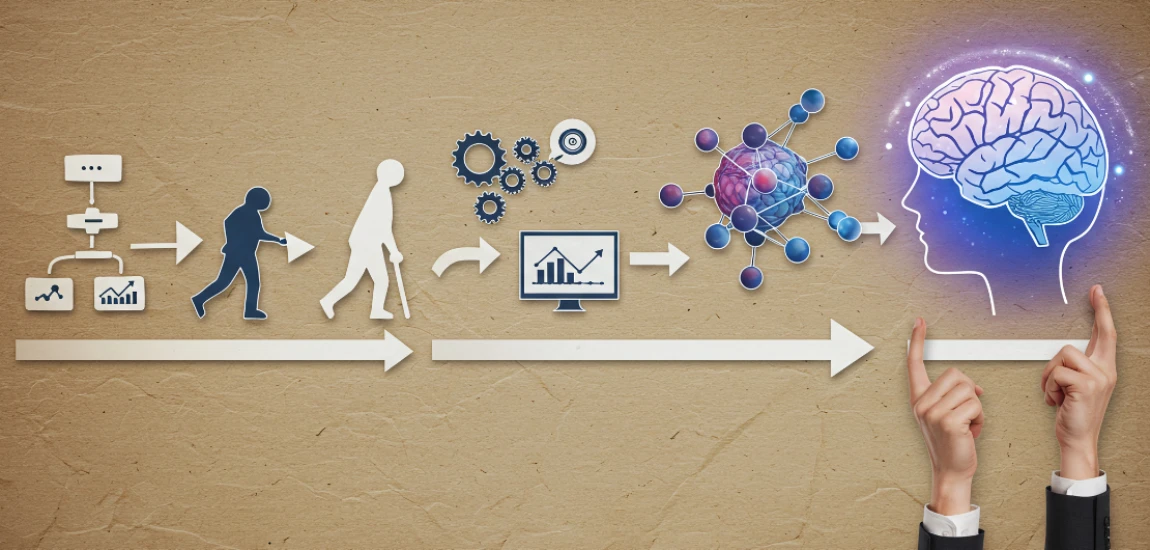
Celebrity marketing once relied on film stars, athletes, and musicians whose fame grew through mainstream media. But the evolution of celebrity marketing in the digital age has radically reshaped how fame emerges, spreads, and influences buying behavior. Today’s celebrity isn’t defined solely by Hollywood or sports arenas—digital platforms have created new kinds of stars who command attention, build communities, and drive brand trends.
The Decline of Traditional Gatekeepers
Before social media, celebrities needed television spots, magazine features, or radio interviews to reach fans. These gatekeepers controlled visibility. But in the digital age, celebrities create their own content, connect directly with fans, and build massive online followings without intermediaries. This new accessibility changes how brands choose ambassadors—they now seek talent with real-time community engagement and measurable online influence.
The Rise of Everyday Influencers with Celebrity Power
Influencers began as everyday people sharing hobbies, lifestyles, or opinions. Over time, some of them gained fame comparable to mainstream celebrities. Platforms like YouTube, TikTok, and Instagram democratized fame by allowing talent, relatability, or consistency to replace the traditional “star system.” These influencers now rival actors and pop stars in commercial impact, reshaping celebrity marketing entirely.
How Consumer Behavior Drives the New Fame Economy
Consumers trust authentic voices, peer recommendations, and behind-the-scenes storytelling. Digital audiences want transparency, humor, relatability, and personal connection. This shift in expectations transformed celebrity marketing—brands now favor personalities who feel approachable over distant Hollywood elite. Social proof, emotional connection, and daily engagement matter more than popularity alone.
Social Media Platforms as Engines of Modern Celebrity Branding

Social media shaped the modern celebrity more than any other invention. Each platform—Instagram, TikTok, YouTube, X—acts as a branding engine, content hub, and marketing stage. Understanding social media’s influence is essential to understanding the evolution of celebrity marketing in the digital age.
How Platforms Shape Celebrity Identity
Instagram emphasizes aesthetics, luxury, and lifestyle. TikTok amplifies humor, creativity, and trends. YouTube nurtures long-form storytelling and deep engagement. Each platform enables celebrities to craft unique identities and reach specific audiences. Brands strategically choose which celebrities to partner with based on platform demographics and content style.
The Power of Real-Time Engagement and Viral Content
Social media allows celebrities to interact with fans instantly—replying to comments, hosting livestreams, sharing personal moments, or participating in challenges. This real-time connection creates loyalty and emotional attachment, which brands leverage when launching campaigns. Viral content, especially on TikTok, can turn a product into a worldwide sensation in hours.
Data and Metrics That Shape Partnerships
Brands no longer guess which celebrity will perform well—they analyze engagement rates, audience demographics, sentiment data, and conversion metrics. This data-driven approach allows precise targeting. Celebrities with smaller audiences but higher engagement become more valuable than those with millions of passive followers.
Influencer Culture and the New Celebrity Economy

Influencers form the backbone of digital-era celebrity marketing. Their ability to shape buying decisions, rally communities, and create hyper-targeted content makes them essential players in the modern advertising landscape.
Why Influencers are More Impactful Than Traditional Celebrities
Influencers are relatable. They share daily routines, personal struggles, hobbies, and opinions—content that humanizes them. This relatability builds trust, the most important factor in consumer decisions. Audiences believe influencers genuinely use and enjoy the products they promote, making their recommendations feel authentic rather than staged.
Micro and Nano Influencers: Small Audiences, Massive Impact
Micro (10k–100k) and nano (1k–10k) influencers often outperform big celebrities in engagement. Their communities are tight-knit, loyal, and niche-specific. Brands turn to them for targeted campaigns in beauty, fitness, gaming, tech, travel, and lifestyle. They offer cost-effective partnerships with high conversion rates.
Long-Term Influencer Partnerships as Branding Strategy
Brands increasingly favor ongoing collaborations rather than one-off sponsorships. Long-term partnerships build familiarity, brand recognition, and loyalty. When influencers incorporate products into their regular content, it feels natural and convincing, making audiences more likely to trust the brand.
Celebrity Entrepreneurship and Personal Branding

Celebrities today aren’t just endorsers—they’re entrepreneurs. The digital age empowered them to create personal brands, launch products, and build multimillion-dollar companies. This evolution has reshaped the definition of celebrity marketing entirely.
From Endorsements to Equity-Based Partnerships
Traditional endorsements paid celebrities for temporary association. Modern celebrity marketing often uses equity deals—part ownership of a brand in exchange for long-term promotion. This aligns incentives: celebrities benefit directly from a brand’s success, so they promote it authentically and consistently.
Celebrities Building Their Own Brands
Rihanna’s Fenty Beauty, Kylie Jenner’s Kylie Cosmetics, and Ryan Reynolds’ Aviation Gin demonstrate the power of celebrity-led brands. Social media allows stars to promote their products directly to millions, bypassing traditional advertising. This direct-to-consumer model generates massive revenue and elevates the celebrity’s cultural impact.
The Importance of Authenticity in Personal Branding
Authenticity is the currency of digital celebrity culture. Audiences do not want polished, untouchable icons—they want candid human beings. This authenticity fuels celebrity entrepreneurship, as fans buy into not just the product but the personality behind it.
Virtual Celebrities, AI Creators, and the Next Frontier of Celebrity Marketing

As technology advances, new types of celebrities are emerging—virtual influencers, AI-generated creators, and digitally animated personalities. These digital entities are reshaping the future of celebrity marketing.
The Rise of Virtual Influencers
Virtual influencers like Lil Miquela and Imma are digital characters with massive followings. They never age, never get caught in scandals, and can be styled or positioned in any brand-friendly environment. Their existence blurs the line between fiction and reality, but audiences embrace them because of their creativity, storytelling, and futuristic appeal.
AI-Generated Celebrities and Personalized Marketing
Artificial intelligence can now create hyper-realistic digital humans. Some brands use AI ambassadors to create custom campaigns, generate endless content, and target specific audience segments. AI also tailors messages and visuals, making marketing more personalized than ever before.
Ethical Concerns and Consumer Perception
While virtual celebs offer control and consistency, they raise ethical concerns about transparency, authenticity, and representation. Brands must ensure audiences understand that these influencers are digital creations, not real humans. Transparency builds trust and maintains long-term engagement.
The Future of Celebrity Marketing: Trends to Watch

Celebrity marketing continues to evolve, influenced by technology, culture, and consumer expectations. The future promises even more innovation as digital platforms grow.
Hyper-Personalized Marketing Driven by AI and Data
AI will play a larger role in predicting consumer behavior and matching celebrities with ideal campaigns. Brands will use sentiment analysis, predictive analytics, and real-time data to select ambassadors who align perfectly with audience emotions and preferences.
The Blending of Influencers, Celebrities, and Fans
The lines between celebrity and fan will continue to blur. Fans who create viral content may evolve into influencers. Influencers may transition into mainstream celebrities. Traditional celebrities will adopt influencer-like transparency to stay relevant. This blending creates a multi-layered fame ecosystem.
A New Era of Interactive and Immersive Campaigns
Brands will use augmented reality (AR), virtual reality (VR), and mixed reality (MR) to create immersive celebrity-driven campaigns. Virtual meet-and-greets, interactive product demos, and personalized digital experiences will define the next chapter of celebrity marketing.


Gary Arndt operates "Everything Everywhere," a blog focusing on worldwide travel. An award-winning photographer, Gary shares stunning visuals alongside his travel tales.
Gary Arndt
Prev Post

Next Post