
How Multi-Sensory Wearables Are Enhancing VR Gaming Experiences
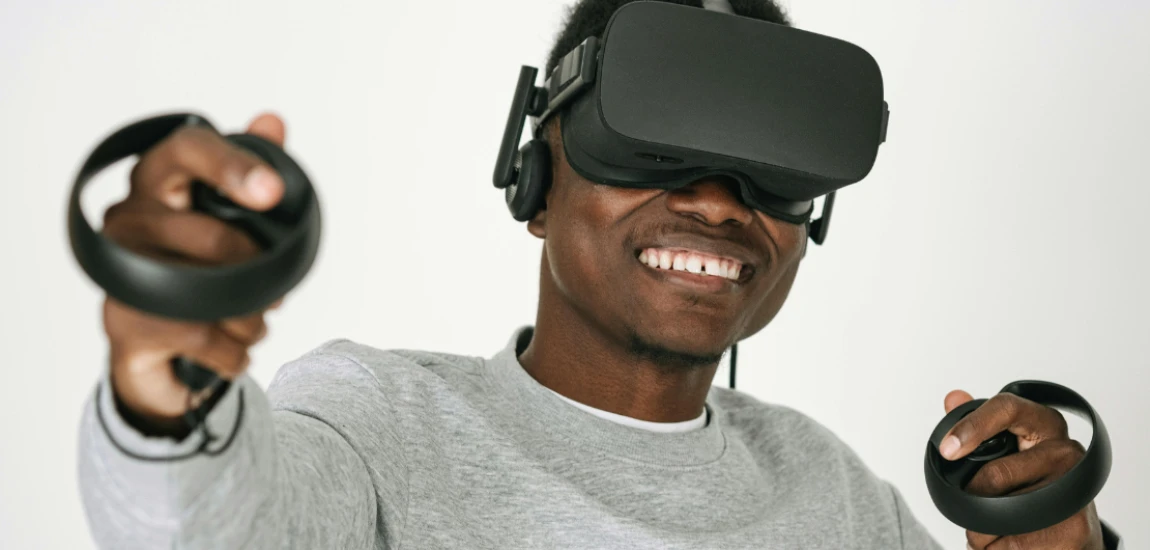
How Immersive Technology Evolved Beyond Visuals
In the early days of VR gaming, visual immersion was the primary focus. Developers invested heavily in improving resolution, reducing motion sickness, and creating realistic 360-degree environments. Yet, it soon became clear that visuals alone couldn’t fully replicate real-world presence. Gamers wanted to feel their actions—not just see them. This demand accelerated the rise of multi-sensory wearables that introduced physical sensations into virtual spaces, bridging the gap between digital environments and human perception.
Why Gamers Crave Full-Body Immersion
Human beings rely on multiple senses—touch, temperature, sound, and even scent—to experience reality. VR systems that stimulate only vision and hearing leave out significant aspects of sensory perception. Multi-sensory wearables such as haptic suits, vests, gloves, and scent emitters fill this gap by adding layers of feedback that align with gameplay. Whether it’s the impact of enemy fire, the warmth of a virtual desert, or the vibration of a climbing surface, these sensations deepen emotional and physical involvement.
The Growing Hardware Ecosystem and Market Expansion
As VR gaming becomes more mainstream, multi-sensory wearables have expanded into a diverse hardware ecosystem. Companies now offer everything from haptic vests and full-body suits to temperature-changing pads and scent diffusers that sync with in-game events. This hardware growth is driven by increased investment in immersive entertainment and a rising global gamer population seeking more meaningful, embodied experiences in virtual worlds.
The Science Behind Multi-Sensory Wearables

How Haptic Feedback Mimics Real-World Sensations
Haptic technology lies at the heart of multi-sensory wearables. By using micro-vibrations, pressure mechanisms, and localized force feedback, haptics simulate real-world physical interactions. For example, a haptic glove can replicate the feeling of holding objects with varying weights or textures. A haptic vest can simulate punches, recoil, heartbeat vibrations, or directional alerts during gameplay. These sensations help bridge the sensory gap between a player’s body and the virtual world.
Temperature and Environmental Simulation
Temperature-based wearables add an atmospheric layer to virtual environments. Devices equipped with Peltier elements can rapidly heat or cool specific areas of the skin, simulating warmth from fire, icy winds, or environmental shifts. Combined with wind simulation and pressure-based feedback, players experience a deeper sense of presence—feeling both environmental and interactive elements of the game world.
Scent and Aromatic Immersion
Though less common, scent-based VR wearables are growing in popularity. These devices release micro-bursts of fragrances that match the game environment—flowers in a meadow, smoke from a battlefield, or ocean air on a virtual beach. Smell is closely tied to memory and emotion, enhancing immersion more powerfully than visuals or sound alone. When combined with haptics and temperature changes, scent creates a multi-dimensional sensory experience that feels convincingly real.
How Multi-Sensory Wearables Transform Gameplay

Deepening Emotional Engagement Through Realistic Sensations
When players physically feel in-game events, their emotional connection to the experience grows stronger. A sudden jolt from a haptic vest can trigger adrenaline during a battle scene, while soft vibrations during a puzzle game can promote relaxation and focus. These sensations create a direct link between the player’s body and the narrative moments of the game, making victories more satisfying and challenges more intense.
Enhancing Skill-Based and Competitive Gaming
VR gamers often rely heavily on visual cues, but multi-sensory wearables introduce new layers of interactive depth. Touch-based cues help players respond faster during fast-paced games, improve reaction times, and develop better spatial awareness. Competitive players benefit from directional haptic alerts that indicate enemy proximity or incoming fire. These layers of feedback can turn a simple VR session into a highly strategic, performance-driven experience.
Expanding Gameplay Possibilities for Developers
With access to a broader sensory toolset, game designers are beginning to create experiences that would not be possible with traditional controllers. Developers can script temperature shifts, tactile puzzles, and narrative moments tied to smell or vibration. This expands storytelling opportunities and encourages the creation of richer, more experimental gameplay environments.
Current Multi-Sensory Wearable Devices Shaping VR Gaming

Haptic Suits and Full-Body Gear
Full-body haptic suits represent the cutting edge of immersive VR. These suits feature dozens or even hundreds of haptic nodes strategically positioned across the body. Players can feel impacts, textures, environmental pressure, and even heartbeat synchronization. These suits transform VR from a primarily mental experience into a physical one that engages the entire body.
Haptic Gloves and Hand-Tracking Wearables
Haptic gloves elevate VR interaction by giving players realistic finger-level feedback. From gripping virtual objects to feeling the texture of surfaces, these gloves support more natural interaction within virtual environments. Combined with hand-tracking sensors, they allow players to manipulate objects with precision and realism unmatched by conventional VR controllers.
Scent Emitters, Temperature Wearables, and Accessory Tech
Peripheral wearables like scent diffusers and temperature modules enhance environmental realism. Some setups include wind machines or resistance bands that add motion-based feedback. Together, these tools form multi-layered sensory systems that synchronize with VR software to deliver fully immersive environments.
Benefits of Multi-Sensory Wearables for Gamers and Creators

Greater Immersion and Presence
The greatest benefit of multi-sensory wearables is the sense of presence they create. Players feel as though they are physically inside the game world, not just observing it. This deep immersion leads to heightened emotional responses, more meaningful interactions, and a stronger sense of connection to the virtual environment.
Enhanced Physical and Cognitive Engagement
Multi-sensory stimulation activates multiple regions of the brain, improving focus, coordination, and decision-making speed. VR games that incorporate haptics and environmental cues encourage full-body engagement, which can also promote physical activity and improved motor skills. This is particularly valuable for fitness-oriented VR experiences.
Creative Opportunities for Developers and Storytellers
With multi-sensory wearables, game creators can build richer narratives, more dynamic mechanics, and immersive world-building elements. Developers gain access to new creative tools—scent triggers for emotional scenes, temperature shifts for atmosphere changes, or touch-based puzzles that rely on haptic responses.
Challenges and the Future of Multi-Sensory VR Wearables

Technical Limitations and Accessibility Barriers
Despite their benefits, multi-sensory wearables still face challenges. Many devices are expensive, making them inaccessible to the average gamer. Some suits require complex setups or calibration procedures that limit mainstream adoption. Battery life, wireless stability, and comfort also influence user experience.
Content Compatibility and Developer Adoption
Wearable technology must integrate seamlessly with VR games to be effective. However, not all developers have the resources or expertise to design multi-sensory content. Ensuring that hardware companies and game studios collaborate more closely will be key to expanding the multi-sensory ecosystem.
Future of Fully Integrated Multi-Sensory Systems
Looking ahead, multi-sensory wearables will become lighter, more affordable, and more intelligent. Advanced biometrics will allow VR systems to adjust sensations based on emotional state or physical condition. AI-driven sensory mapping will enable personalized experiences tailored to each player’s preferences and comfort levels. In the future, VR gaming may evolve into fully immersive experiences that engage all five senses seamlessly.


Gary Arndt operates "Everything Everywhere," a blog focusing on worldwide travel. An award-winning photographer, Gary shares stunning visuals alongside his travel tales.
Gary Arndt

Prev Post

Next Post