
The Rise of AI-Generated Music and Its Ethical Debates
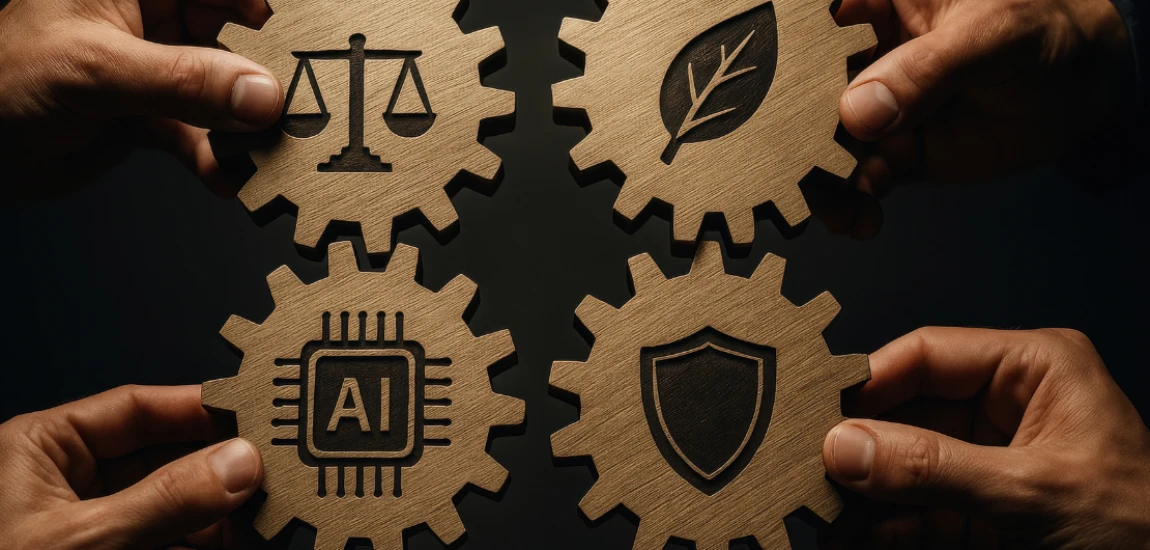
Artificial intelligence has already transformed filmmaking, marketing, healthcare, and digital entertainment—but its impact on music has become one of the most hotly debated shifts in modern creative culture. From AI-powered music generators like Suno, AIVA, and Google’s MusicLM to large companies producing full-length albums with machine-generated compositions, the line between human creativity and algorithmic output is increasingly blurry. While some hail AI compositions as groundbreaking and democratizing, others argue that they create new ethical dilemmas around originality, ownership, and creative authenticity. This article explores the rise of AI-generated music, its influence on the industry, and the ethical debates shaping its future.
Understanding AI-Generated Music in the Modern Era

What AI-Generated Music Actually Is
AI-generated music refers to compositions created or assisted by artificial intelligence algorithms. These systems analyze massive datasets of existing music—melodies, harmonies, rhythms, and production styles—to generate new pieces. Unlike traditional music production software, AI can create original compositions from scratch with minimal human input. This shift has made music creation faster, accessible, and scalable in ways previously unimaginable.
How Machine Learning Models Learn Music
AI music tools use neural networks trained on thousands of songs across genres. The algorithms identify patterns: chord progressions, tempo structures, instrument blends, and even emotional expression. With enough data, the system learns to generate melodies or full arrangements that mimic human-composed music. This “learning” raises questions about the originality of AI work, as the data it trains on often comes from copyrighted music.
Why AI Music Is Growing Rapidly Today
Several trends fuel the rapid rise of AI-generated music:
Demand for affordable background music for ads, videos, and games
Faster production timelines in media industries
The growth of content creators who need royalty-free music
Advances in generative AI models that produce near-professional results
These factors combine to create the perfect environment for AI-driven music innovation.
The Creative Impact of AI on Music Production

AI as a Creative Assistant
For many musicians, AI is not a threat—it’s a tool. AI can generate chord progressions, suggest harmonies, or provide rhythm ideas. It helps remove creative blocks and allows artists to experiment with new sounds. Producers are also using AI for tasks like mixing, mastering, and sound design, making workflows more efficient.
The Rise of AI-Collaborative Music
Instead of replacing musicians, AI often works with them. Artists like Holly Herndon and Grimes have openly embraced AI tools to co-create albums and interactive soundscapes. This new form of collaboration blends human emotion with machine precision, giving birth to hybrid music styles previously impossible.
Accessibility and Democratization
One of AI's most celebrated benefits is accessibility. You no longer need expensive equipment or years of training to create music. Platforms like Suno and AIVA allow beginners to generate studio-quality tracks. This democratization empowers more people to express their creativity—yet it also raises concerns about market saturation and the devaluation of professional skills.
Ethical Debates Surrounding AI-Generated Music

Copyright and Originality Concerns
The biggest ethical debate centers around copyright. AI learns from existing music, often without permission from original creators. This leads to questions like:
Who owns AI-generated music?
Should artists be compensated if their work is used in training datasets?
Is AI creativity “original,” or just remixing past human work?
These issues are driving legal battles worldwide.
Authenticity and Artistic Identity
Many argue that music is an expression of human experience—emotion, culture, and lived memory. Can an algorithm replicate that? Critics claim AI-generated music lacks soul, emotion, and intention, causing a philosophical debate around what truly counts as “art.”
The Question of Musical Labor
If AI can produce music instantly, what happens to human musicians? Some fear job loss in composing, scoring, and audio production. Others believe new roles will emerge—AI operators, creative curators, or hybrid artists. The conversation continues to evolve as the technology expands.
AI and the Changing Landscape of the Music Industry

New Business Models Emerging
Music companies are rapidly adopting AI tools to streamline production, reduce costs, and accelerate output. Some labels are already releasing AI-generated albums or using bots for early-stage composition. This shift is rewriting how music is financed, produced, and marketed.
AI in Advertising, Film, and Gaming
AI-generated tracks are becoming extremely popular in advertising and gaming, where large volumes of background music are needed. Since AI music can be produced instantly and royalty-free, it appeals to companies looking to cut expenses. This increases competition for human composers, especially freelancers.
Streaming Platforms and AI Music Flooding
Streaming services like Spotify and YouTube are facing an influx of AI-created songs. Some worry that low-effort AI tracks may overwhelm platforms, making it harder for human artists to stand out. As a result, some companies are exploring tools to differentiate human music from AI-generated content.
Benefits of AI-Generated Music That Cannot Be Overlooked

Speed and Efficiency
AI can generate full songs in minutes, drastically reducing production time. For filmmakers, marketers, and creators who need quick, customizable tracks, this is transformative.
Cost-Effectiveness
Traditional music licensing can be expensive. AI-generated music eliminates ongoing royalty fees, making it budget-friendly for smaller businesses and indie creators.
Limitless Creative Experimentation
AI allows artists to explore genres and sound combinations they never considered before. It’s a tool for innovation, helping musicians push the boundaries of what music can be.
The Future of AI-Generated Music: Opportunities and Challenges

The Possibility of Regulation
Governments and legal bodies are already considering regulations for AI training data, copyrights, and AI-generated content labeling. Future laws will likely determine how ethically AI can be used in music.
Hybrid Music as the Future
The most likely future is a hybrid model where human musicians lead creative direction while AI assists with production. Instead of replacing artists, AI may become another instrument in the studio.
The Role of Human Creativity
No matter how advanced AI becomes, human creativity, emotion, and storytelling remain irreplaceable. The future of music will depend on how well artists integrate AI while preserving authenticity.


Anil Polat, behind the blog "FoxNomad," combines technology and travel. A computer security engineer by profession, he focuses on the tech aspects of travel.
Anil Polat
Prev Post

Next Post