
Virtual Heritage Journeys: How Digital Worlds Are Making Ancient Places Accessible in New Ways
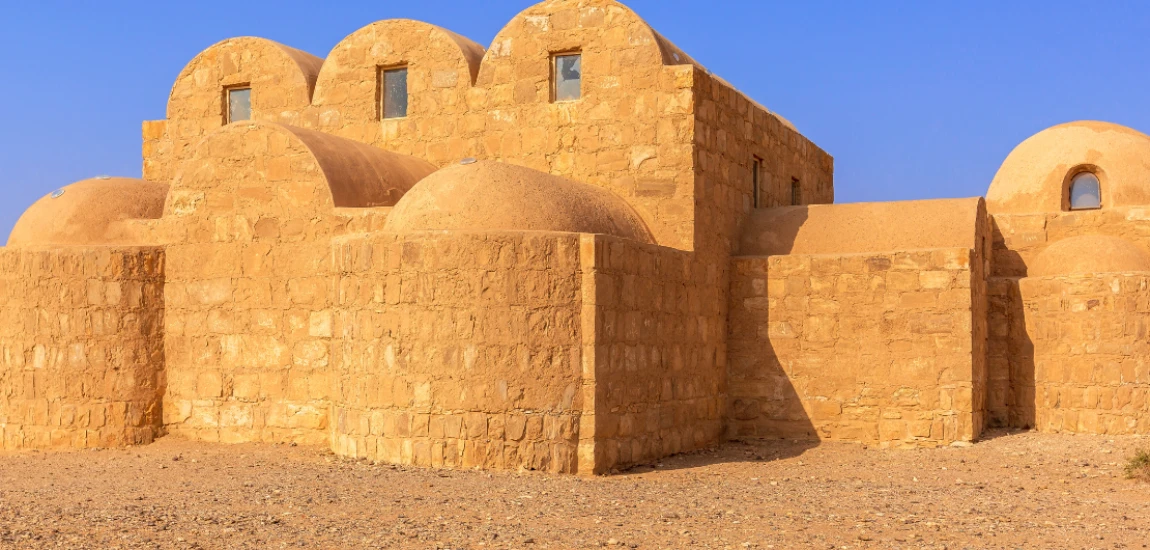
Ancient places have always attracted travelers seeking connections with history, culture, architecture, and human civilization. From archaeological ruins and historic cities to temples, monuments, and sacred landscapes, heritage destinations allow people to experience stories that have shaped societies for centuries.
However, not everyone can physically visit these places. Distance, travel costs, mobility limitations, environmental conditions, political restrictions, preservation concerns, and overcrowding can make access difficult. Even when people can visit, fragile heritage sites may not be able to accommodate unlimited numbers of tourists.
This is where virtual heritage journeys are creating new possibilities.
Virtual reality, 3D scanning, digital twins, augmented reality, interactive maps, photogrammetry, and immersive storytelling can recreate aspects of historical places in digital environments. These technologies can allow people to explore ancient locations from almost anywhere while providing new ways to understand history.
Digital heritage does not necessarily replace physical travel. Instead, it can complement real-world tourism, support education, improve accessibility, and help preserve knowledge about vulnerable sites.
The future of heritage tourism could therefore involve both physical exploration and digital experiences working together.
Understanding the Rise of Virtual Heritage Journeys

What Are Virtual Heritage Journeys?
Virtual heritage journeys are digital experiences that allow people to explore historical places, cultural landscapes, archaeological sites, and ancient structures through technology.
These experiences can range from simple online virtual tours to highly immersive virtual reality environments.
A digital recreation might allow users to walk through an ancient city, examine architectural details, view reconstructed buildings, or explore historical scenes that are difficult to experience in the physical world.
The purpose is not simply to create attractive digital images. Effective virtual heritage experiences combine technology with historical research, interpretation, and storytelling.
Making Heritage Accessible to More People
Physical heritage tourism can be expensive and difficult to access. A person may live thousands of kilometers away from a historic site or be unable to travel because of physical, financial, or logistical limitations.
Digital heritage experiences can remove some of these barriers.
Students can explore archaeological sites from classrooms. Older adults can experience distant landmarks from home. Researchers can examine digital models. Travelers can preview destinations before planning a physical visit.
This expands the potential audience for cultural heritage.
Creating New Forms of Historical Engagement
Traditional heritage interpretation often depends on signs, museum displays, guided tours, and printed information.
Digital technology can make storytelling more interactive.
Visitors can explore different historical periods, compare architectural changes, listen to stories, view reconstructions, and interact with digital objects.
This can make complex historical information easier to understand and more memorable.
How Virtual Reality Is Transforming Heritage Tourism

Exploring Ancient Places in Immersive Environments
Virtual reality can place users inside digitally reconstructed environments. Instead of looking at a photograph of an ancient building, users may be able to move through a virtual version of the structure.
They can look around, examine architectural details, and experience spatial relationships that are difficult to understand from traditional images.
This creates a stronger sense of presence.
Reconstructing Lost or Damaged Heritage
One of the most exciting applications of virtual heritage is the ability to reconstruct places that have been damaged, destroyed, or significantly changed.
Using archaeological evidence, historical documents, photographs, drawings, and 3D data, experts can create digital representations of earlier versions of sites.
These reconstructions can help people understand what a place may have looked like at different points in history.
Supporting Education and Research
Virtual reality can also become a powerful educational tool. Students can explore ancient architecture, archaeological sites, and cultural landscapes without requiring expensive field trips.
Researchers can use digital environments to examine spatial relationships, test reconstruction theories, and communicate findings.
Virtual heritage therefore has value beyond tourism.
Using 3D Technology to Preserve Cultural Heritage

Digital Scanning and Photogrammetry
3D scanning and photogrammetry allow specialists to create detailed digital models of buildings, sculptures, monuments, and archaeological objects.
These digital records can capture important information about the physical condition of heritage assets.
If a structure is later damaged, digital documentation may provide valuable reference material for conservation and research.
Creating Digital Archives
Digital archives can store photographs, models, historical documents, maps, oral histories, and other heritage information.
This can make cultural knowledge accessible to researchers, educators, communities, and visitors.
Digital archives can also provide a backup of important heritage information that might otherwise be difficult to preserve.
Supporting Conservation Without Increasing Physical Pressure
Fragile heritage sites may be damaged by excessive visitor numbers.
Digital experiences can provide alternative ways for people to learn about a site without physically entering sensitive areas.
This does not mean replacing physical tourism completely. Instead, virtual access can complement carefully managed visitation.
Making Ancient Places More Accessible Through Digital Experiences

Improving Accessibility for People With Mobility Challenges
Some heritage sites were built centuries ago and cannot easily be modified to meet modern accessibility standards.
Stairs, uneven surfaces, narrow pathways, and difficult terrain can prevent some visitors from fully experiencing these places.
Virtual heritage experiences can provide alternative forms of access.
A person who cannot physically reach a particular archaeological location may still explore a detailed digital reconstruction and learn about its history.
Supporting Global Audiences
Virtual heritage can connect destinations with audiences around the world.
People can explore historical sites without international travel, making heritage education more geographically inclusive.
This can also encourage future physical tourism. A virtual experience may inspire someone to eventually visit the destination in person.
Creating Multilingual Experiences
Digital platforms can provide information in multiple languages.
Interactive subtitles, audio narration, translated descriptions, and customizable educational content can make heritage interpretation more accessible to international audiences.
This allows cultural institutions to communicate with a broader global community.


Ben Schlappig runs "One Mile at a Time," focusing on aviation and frequent flying. He offers insights on maximizing travel points, airline reviews, and industry news.
Ben Schlappig

Prev Post

Next Post