
Villages Where the Streets Have No Names (Literally)
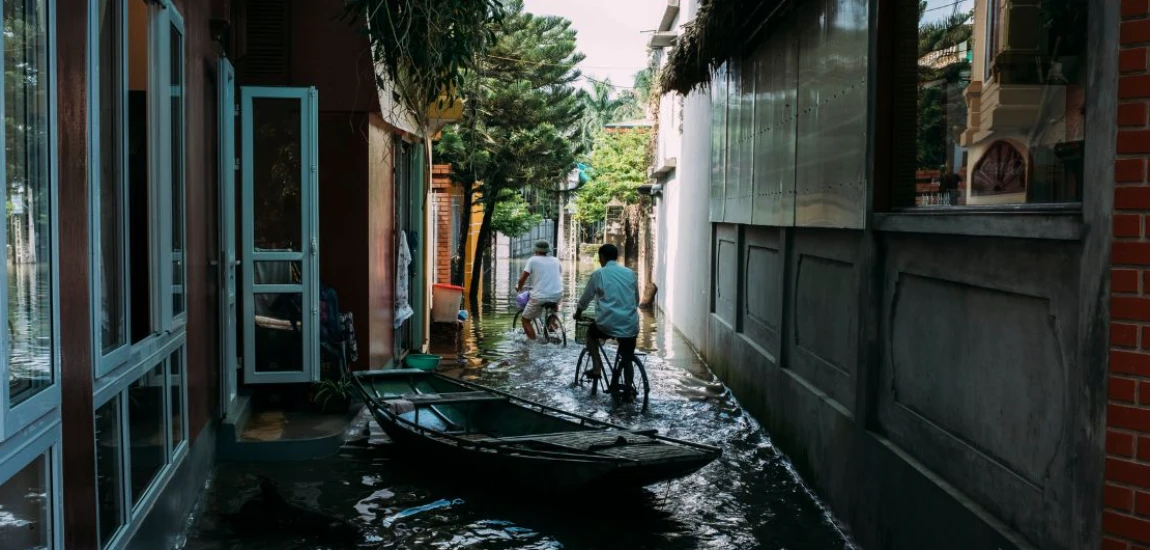
In an age of GPS, Google Maps, and digital navigation, it’s almost unthinkable to step into a place where streets have no names. Yet scattered across the world are villages where addresses are nonexistent, mail is delivered to the local shop or café, and directions are given with a smile and a story. These aren’t just quirky anomalies—they’re living reminders of a slower, more personal way of life.
In these villages, you’ll learn quickly that finding your way is part of the experience. The absence of street signs doesn’t make them harder to enjoy—it makes them more memorable.
The Charm of Getting Lost on Purpose
For many travelers, the joy of visiting a new place comes from wandering without an agenda. In villages with no street names, that freedom is built into the experience. You won’t be able to follow a blue dot on your phone; instead, you’ll rely on your senses—smelling freshly baked bread from the bakery, hearing church bells in the distance, or spotting the local well where residents gather for gossip and water.
It’s not just about navigation; it’s about connection. In these places, you’re far more likely to stop and talk to locals, ask for directions, and hear little stories about the buildings and landmarks you pass. The lack of street names turns the entire village into an open-air museum of daily life, where each corner has a personality rather than just a number.

Why Some Villages Never Named Their Streets
Street names may feel universal now, but they’re a relatively modern invention. In many historic settlements—especially those that never grew beyond a few hundred residents—there was simply no need to label roads. People knew each other, and directions were personal: “Turn left after Maria’s house,” “Go past the olive grove,” or “Walk until you see the white church with the blue door.”
In some places, the refusal to name streets is a conscious choice to preserve tradition. Rural Greek islands, small fishing villages in the Philippines, and remote mountain hamlets in South America often keep their streets nameless to maintain cultural identity. Others have so few roads that naming them would feel redundant—one leads to the sea, one leads to the fields, and one leads out of town.

The Most Magical Villages with No Street Names
While many such villages remain hidden from mass tourism, here are a few standouts worth adding to your list:
Oia, Santorini, Greece – The famous cliffside village may draw thousands of visitors, but its winding lanes remain unnamed. You navigate by domed churches, bougainvillaea-covered terraces, and the glittering Aegean Sea.
Giethoorn, Netherlands – Known as the “Venice of the North,” this water-based village has canals instead of streets. Addresses? Often boat docks or footbridges.
Chefchaouen, Morocco – The “Blue Pearl” is a maze of cobalt-painted alleys where street names are unnecessary. Instead, every turn reveals another shade of blue and another photo opportunity.
Hallstatt, Austria – A postcard-perfect lakeside village where most roads are so narrow that cars can’t pass, and the only real directions involve the lake, the square, or the church tower.
These destinations prove that nameless streets don’t hinder exploration—they enhance it.

Navigating Without Street Names: Tips for Travelers
Visiting a place with no street names can feel liberating, but it also requires a different mindset. Here’s how to make the most of it:
Ask Locals for Landmarks, Not Directions – Instead of “Where’s the bakery?” try “Which way to the place that sells bread near the fountain?” Locals will guide you with memorable visual cues.
Take Mental Snapshots – Since your phone map may be less useful, pay attention to details like the color of doors, shapes of rooftops, and decorative signs.
Download Offline Maps – Even without street names, offline maps can help you spot general layouts, footpaths, and waterways.
Embrace Serendipity – If you get “lost,” treat it as part of the adventure. You might stumble across a local festival or a hidden café.

The Benefits of Street-Free Exploration
In a world where every corner is documented and geo-tagged, villages with no street names offer a refreshing form of travel. You slow down. You talk to strangers. You notice the smell of flowers in the air, the curve of a cobblestone lane, the sound of children playing.
It’s a reminder that travel isn’t just about the destination—it’s about the way you move through it. Without the structure of addresses and numbered routes, you’re free to experience a place as its residents do—through memory, familiarity, and human interaction.

When No Street Names Become a Challenge
Of course, there are moments when the charm can wear thin. Finding your guesthouse at night with heavy luggage can be tricky. Waiting for a taxi or delivery without an address requires patience (and sometimes a meeting point at the village café).
But for many travelers, these small inconveniences are a fair trade for the authenticity and intimacy such destinations offer. In fact, those “getting lost” moments often become the stories you tell for years to come.



Derek Baron, also known as "Wandering Earl," offers an authentic look at long-term travel. His blog contains travel stories, tips, and the realities of a nomadic lifestyle.
Derek Baron

Prev Post

Next Post