
Train Stations You’d Visit Even Without a Ticket
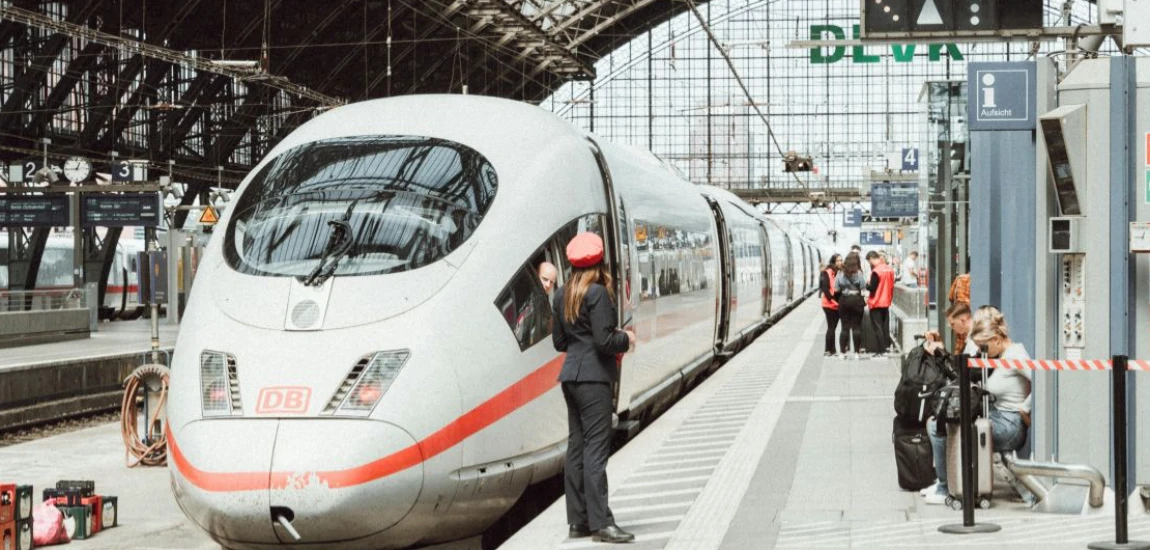
Most people rush through train stations with one goal—catch the next departure. But in some cities, these stations are far more than mere transportation hubs. They’re architectural icons, cultural landmarks, and destinations in their own right. Whether it’s for the art, history, shopping, or sheer grandeur, these are the train stations worth lingering in—even if you never board a train.
Why Some Train Stations Are Tourist Attractions in Themselves
Train stations have long been gateways to the world, but in some places, they also serve as showcases of civic pride. During the golden age of rail travel, cities invested heavily in ornate designs, fine materials, and grand public spaces. Today, these stations offer more than just ticket counters—they house restaurants, art galleries, libraries, gardens, and even hotels.
Visiting them can be like stepping into a time capsule, where the romance of travel lingers in the air. Many also reflect their country’s culture and history in ways that museums can’t replicate. And because they’re public spaces, they’re often free to explore, making them budget-friendly stops for travelers.

Grand Central Terminal – New York City, USA
Few stations capture the imagination like Grand Central Terminal. It’s not just New York’s transportation heart—it’s a masterpiece of Beaux-Arts architecture. The celestial ceiling in the Main Concourse, painted with zodiac constellations, is a work of art in itself.
Beyond the design, Grand Central is packed with attractions: the whispering gallery under the main arch, an upscale food market, and restaurants ranging from the historic Oyster Bar to modern cocktail lounges. Even if you’re not catching a train, you could easily spend hours here soaking in the atmosphere.
Don’t Miss:
The Whispering Gallery trick with a travel buddy
The Grand Central Market for gourmet treats
The 103-year-old Tiffany glass clock

St. Pancras International – London, UK
Part Victorian Gothic fantasy, part modern travel hub, St. Pancras International is a destination for history buffs and shoppers alike. Its red-brick facade and towering spires give it a cathedral-like presence. Inside, the restored train shed is one of the most spectacular pieces of railway architecture in the world.
While Eurostar trains whisk travelers to Paris and Brussels, non-travelers can browse high-end boutiques, enjoy art installations, and grab coffee beneath the giant sculpture The Meeting Place. The adjoining St. Pancras Renaissance Hotel offers another layer of opulent history.
Don’t Miss:
Europe’s longest champagne bar
The Sir John Betjeman statue celebrating the poet who saved the station
Seasonal art and floral displays

Chhatrapati Shivaji Maharaj Terminus – Mumbai, India
A UNESCO World Heritage Site, Chhatrapati Shivaji Maharaj Terminus is an explosion of Victorian Gothic Revival style with Indian influences. Completed in 1887, the station features carved stone domes, turrets, pointed arches, and stained glass windows.
Even without a ticket, visitors can admire its intricate façade and step inside to see the detailed woodwork, iron grills, and old station clocks. At night, the station lights up in brilliant colors, creating a completely different experience.
Don’t Miss:
The night illumination for photography
The blend of Victorian and Mughal architectural elements
The station’s role in Bollywood films

Antwerpen-Centraal – Antwerp, Belgium
Often called the “Railway Cathedral,” Antwerpen-Centraal combines stone, steel, and glass in a design so stunning it’s been ranked among the world’s most beautiful stations. Its massive dome and sweeping staircases create a sense of grandeur usually reserved for palaces.
Inside, you’ll find a mix of old-world charm and modern function, with shops, cafés, and public art displays. The multiple levels make exploring feel like walking through a museum.
Don’t Miss:
The ornate waiting hall ceiling
Belgian chocolate shops right in the station
Views from the upper levels looking down at the platforms

Kyoto Station – Kyoto, Japan
While many historic stations wow with their vintage elegance, Kyoto Station is a sleek, futuristic contrast. Its glass-and-steel design spans multiple stories, housing not just train platforms but also a department store, hotel, theater, and rooftop garden.
Visitors can take escalators up to the Sky Garden for panoramic views of the city. Inside, the massive atrium feels more like an airport terminal crossed with an art installation.
Don’t Miss:
The illuminated staircases at night
The Eki Museum for rail enthusiasts
Free city views from the Sky Garden

São Bento Railway Station – Porto, Portugal
Stepping into São Bento is like entering a gallery. The station’s walls are covered in more than 20,000 azulejo tiles, depicting historical battles, royal processions, and scenes from everyday Portuguese life. Completed in 1916, it’s a masterpiece of ceramic art.
Even if you’re not traveling, you can wander through, study the details of the tile murals, and enjoy the peaceful, almost chapel-like atmosphere.
Don’t Miss:
The blue-and-white azulejo tiles
Morning visits for softer natural light on the tiles
Learning the history of each mural scene

How to Make the Most of Visiting a Train Station Without Traveling
If you’re adding a train station to your itinerary without actually catching a train, here are a few tips to make the visit more rewarding:
Time Your Visit – Arrive outside peak commuter hours for fewer crowds.
Look Up and Around – Many stations hide their most impressive details above eye level.
Explore Amenities – Check if there’s a market, art gallery, or event happening.
Take a Night Walk – Stations often transform with evening lighting.
Join a Tour – Many iconic stations offer guided tours focused on history and architecture.

The Charm of a Station Without the Journey
There’s something enchanting about visiting a train station without the pressure of departure times. You can slow down, notice the details, and enjoy the space as a piece of living history. These stations are reminders that travel isn’t just about the destination—it’s also about the places in between.



Anil Polat, behind the blog "FoxNomad," combines technology and travel. A computer security engineer by profession, he focuses on the tech aspects of travel.
Anil Polat

Prev Post

Next Post