
Tourism Revenue Circulation Models – Keeping More Tourism Income Within Local Economies
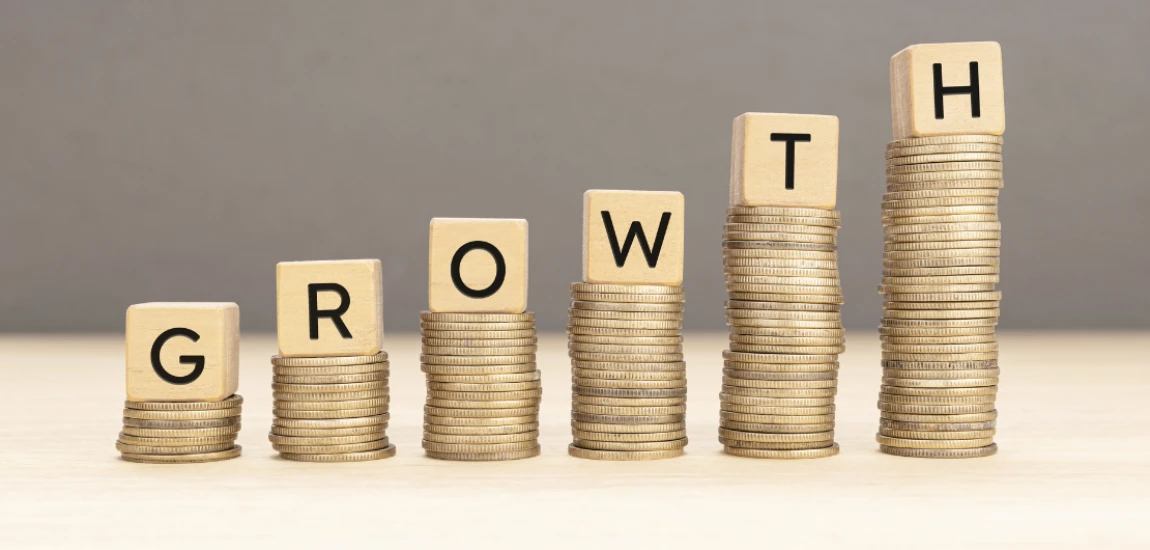
Tourism can generate significant economic activity for destinations. Visitors spend money on accommodation, food, transportation, attractions, shopping, entertainment, tours, and local experiences. This spending can create employment, support businesses, encourage investment, and provide income for communities.
However, the amount of money generated by tourism is not necessarily the same as the amount of money that remains within the local economy.
Some tourism income can leave a destination through imported products, externally owned hotels, international booking platforms, outside suppliers, multinational companies, and businesses whose profits are transferred elsewhere. This movement of money away from the destination is often discussed in terms of tourism economic leakage.
This creates an important question for destination managers:
How can more tourism income circulate among local businesses, workers, entrepreneurs, and communities?
This is where Tourism Revenue Circulation Models become important.
These models focus on increasing the number of times tourism-generated money moves through the local economy before leaving the destination. A visitor's spending can potentially support a hotel employee, a local farmer, a food producer, a transportation provider, a craft business, a tour guide, and other community members.
The objective is not simply to attract more visitors. It is to improve the economic value created by existing tourism activity.
A strong tourism revenue circulation system can strengthen local supply chains, encourage community ownership, create employment opportunities, support entrepreneurship, and improve destination economic resilience.
Understanding Tourism Revenue Circulation Models

Tourism Revenue Circulation Models provide a framework for understanding how visitor spending moves through a destination's economy. Instead of measuring tourism success only through total visitor expenditure, these models examine where the money goes and how much remains within the local economic system.
From Visitor Spending to Local Economic Value
When a visitor spends money at a hotel, that hotel may use part of its revenue to pay employees, purchase food, buy cleaning supplies, contract transportation, hire maintenance workers, and purchase locally produced goods.
Each local transaction creates another economic connection.
For example, a tourist spending money at a locally owned restaurant can contribute to the restaurant's revenue. The restaurant may then purchase vegetables from local farmers and hire local workers. Those workers spend their income at other local businesses.
This creates a circulation effect.
The more locally connected the tourism economy is, the greater the potential for tourism income to support multiple economic participants.
Understanding Tourism Economic Leakage
Tourism leakage occurs when tourism-related spending leaves the local economy.
This can happen when hotels import food and supplies, international companies own tourism businesses, outside companies provide services, or profits are transferred to owners outside the destination.
Some leakage is unavoidable. Destinations often need imported products, specialized services, technology, and external investment.
The goal of Tourism Revenue Circulation Models is therefore not necessarily to eliminate all leakage.
Instead, the goal is to identify where local alternatives are practical and increase the share of tourism expenditure that remains within the destination.
Measuring Revenue Retention
Destinations can track indicators such as local procurement, locally owned tourism businesses, local employment, local supplier participation, and community income.
These indicators can provide a clearer picture of tourism's economic contribution.
A destination may have high visitor spending but relatively low local economic retention.
Another destination may receive fewer visitors but create stronger local economic connections.
This distinction is important for sustainable tourism planning.
Strengthening Local Tourism Supply Chains

Local supply chains are one of the most effective ways to increase tourism revenue circulation. When tourism businesses purchase goods and services locally, more visitor spending remains connected to the destination.
Increasing Local Procurement
Hotels, restaurants, attractions, and tour operators require many products and services.
These can include:
Food
Agricultural products
Furniture
Cleaning supplies
Transportation
Maintenance
Construction
Handicrafts
Marketing services
Professional services
Whenever suitable local suppliers can meet these needs, tourism businesses can create stronger local economic connections.
For example, a hotel that purchases vegetables from nearby farmers creates a direct relationship between tourism demand and local agriculture.
The farmer receives income, workers may receive wages, and related businesses may benefit from the transaction.
Connecting Tourism With Local Agriculture
Food is an especially important opportunity for tourism revenue circulation.
Restaurants and hotels can source more food from local farmers, fisheries, food producers, and small businesses when supply, quality, safety, and consistency allow.
This can support both tourism and agriculture.
Local food can also become part of the visitor experience.
Farm-to-table dining, local food markets, culinary tours, traditional cooking experiences, and regional products can create additional tourism value.
Developing Local Supplier Networks
Small tourism businesses may struggle to supply large hotels because of inconsistent production, limited financing, transportation challenges, or lack of formal certifications.
Destination organizations can help by developing supplier networks and training programs.
Local producers can collaborate to meet larger orders, improve packaging, coordinate delivery, and meet required standards.
This allows smaller businesses to participate more effectively in tourism supply chains.
Supporting Local Businesses and Community Entrepreneurship

Local businesses are central to tourism revenue circulation because they often keep a greater share of their revenue connected to the destination.
Encouraging Local Tourism Entrepreneurship
Entrepreneurs can create tourism products based on local culture, nature, food, skills, and knowledge.
Examples include:
Local tour companies
Cultural experiences
Craft workshops
Food businesses
Community guides
Small accommodation providers
Outdoor recreation companies
Wellness services
Local transportation services
Supporting these businesses can diversify the tourism economy and create more opportunities for residents to participate directly in tourism.
Creating Community-Owned Tourism Businesses
Community ownership can provide another pathway for local economic participation.
A community-owned tourism enterprise may allow residents to collectively manage accommodation, attractions, cultural experiences, transportation services, or other tourism activities.
Revenue can then be reinvested into community priorities, business development, infrastructure, training, or environmental projects according to the ownership model.
Community ownership does not automatically guarantee success. Strong governance, financial management, market access, skills, and transparent decision-making are still necessary.
Improving Market Access for Small Businesses
Many local businesses struggle not because their products lack quality but because they have limited access to tourists.
Destination marketing platforms can help connect visitors with local businesses.
Tourism organizations can include local restaurants, guides, artisans, farmers, cultural practitioners, and experience providers in destination campaigns and digital marketplaces.
This can increase the visibility of local businesses and create more opportunities for tourism spending to reach community enterprises.


Gary Arndt operates "Everything Everywhere," a blog focusing on worldwide travel. An award-winning photographer, Gary shares stunning visuals alongside his travel tales.
Gary Arndt

Prev Post
Next Post