
Tourism Resource Optimization – Improving the Use of Water, Energy, and Land
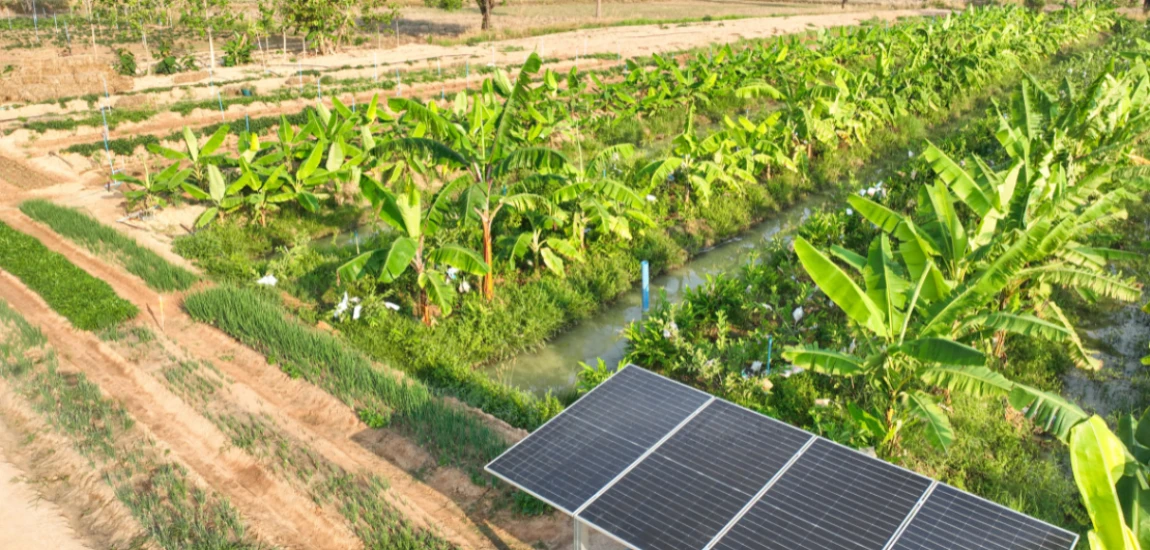
Tourism creates significant economic and social opportunities for destinations, but it also depends heavily on natural resources. Hotels require water and energy, attractions occupy land, restaurants consume food and water, transportation requires fuel and infrastructure, and growing visitor numbers can place additional pressure on local resources. When tourism resources are used inefficiently, destinations may experience water shortages, high energy costs, land degradation, pollution, habitat loss, and increased pressure on local communities.
This is why Tourism Resource Optimization is becoming an important part of modern destination management. Tourism resource optimization means using essential resources such as water, energy, and land as efficiently and responsibly as possible while maintaining high-quality visitor experiences. It is not simply about using less. It is about using resources intelligently, reducing unnecessary consumption, improving efficiency, and ensuring that tourism development remains within the ecological and social limits of a destination.
Smart resource management can benefit tourism businesses as well as local communities. Hotels that reduce water and energy consumption can lower operating costs. Destinations that protect land can preserve natural attractions and biodiversity. Efficient resource systems can also make tourism more resilient to climate change, population growth, resource shortages, and changing visitor demand.
The future of sustainable tourism will depend on destinations understanding that natural resources are not unlimited. By combining technology, responsible planning, renewable energy, water conservation, efficient land use, circular practices, and community participation, destinations can create tourism systems that generate economic value without unnecessarily exhausting the resources on which tourism depends.
Understanding Tourism Resource Optimization

Tourism Resource Optimization is a strategic approach to managing the natural and physical resources required by tourism. Water, energy, and land are particularly important because tourism development can significantly influence their availability and quality. Effective optimization ensures these resources are used efficiently while supporting tourism growth and environmental protection.
Why Resource Efficiency Matters in Tourism
Tourism destinations need resources to provide comfortable and attractive visitor experiences. Hotels need water for bathrooms, laundry, cleaning, kitchens, swimming pools, and landscaping. Energy is required for lighting, heating, cooling, refrigeration, transportation, and digital systems. Land is needed for accommodation, attractions, roads, airports, restaurants, recreational facilities, and public spaces.
If visitor numbers increase without resource planning, demand can exceed local capacity. A destination may experience water stress, electricity shortages, traffic congestion, waste accumulation, or uncontrolled construction.
Resource optimization helps destinations identify where resources are being wasted and where efficiency can be improved. Instead of simply increasing resource supply, destination managers can first examine how existing resources are being used.
For example, a hotel can reduce water consumption through low-flow fixtures and smart irrigation rather than simply increasing its water supply. Similarly, a destination can improve public transportation and compact development instead of continuously expanding roads and parking areas.
Connecting Tourism Growth With Resource Capacity
Tourism planning should consider how much water, energy, and land a destination can sustainably provide. Rapid tourism development can create short-term economic benefits while creating long-term resource challenges.
Destination managers can establish resource-use indicators and monitor them alongside tourism growth. If visitor numbers rise rapidly while water availability declines, tourism policies may need to change.
This creates a more balanced approach to tourism development. Growth is not rejected, but it is managed according to the destination's actual environmental capacity.
Creating Long-Term Resource Security
Optimization is also about preparing for the future. Climate change, population growth, droughts, extreme weather, and changing consumption patterns can affect resource availability.
Destinations can improve long-term resource security by investing in renewable energy, water recycling, efficient buildings, sustainable land-use planning, and resource monitoring.
These investments can reduce vulnerability and help destinations continue supporting tourism even when external conditions become challenging.
Optimizing Water Use in Tourism Destinations

Water is one of the most important resources in tourism. Hotels, resorts, restaurants, golf courses, swimming pools, attractions, and public facilities can consume large amounts of water. In water-stressed destinations, tourism demand can compete with the needs of local residents, agriculture, and ecosystems. Efficient tourism water management is therefore essential.
Reducing Water Consumption in Hotels
Hotels can significantly improve water efficiency through practical measures. Low-flow showers, efficient faucets, dual-flush toilets, water-saving washing machines, and leak-detection systems can reduce unnecessary consumption.
Laundry is another major area of water use. Hotels can offer responsible linen and towel reuse programs that allow guests to choose when items need washing. However, these programs should be communicated transparently and should not simply transfer responsibility to guests.
Smart water meters can help hotels monitor consumption in real time. If a building suddenly uses more water than normal, the system can alert maintenance staff to investigate potential leaks.
These measures can reduce operating costs while conserving local water supplies.
Improving Landscaping and Irrigation
Tourism facilities often use significant water to maintain gardens, lawns, golf courses, and landscaped public areas. Traditional irrigation can waste water through evaporation, runoff, and overwatering.
Destinations can use drip irrigation, moisture sensors, automated scheduling, rainwater harvesting, and drought-resistant plants. Native plants are particularly useful because they are generally better adapted to local environmental conditions.
Replacing water-intensive lawns with native vegetation, shaded areas, or low-water landscapes can reduce demand while creating attractive outdoor spaces.
Reusing and Recycling Water
Water reuse can further improve tourism resource efficiency. Treated greywater can potentially be used for landscaping, toilet flushing, or other suitable non-potable purposes, subject to local regulations and appropriate treatment.
Rainwater harvesting can provide an additional water source for gardens and certain non-potable uses.
Wastewater treatment systems can also reduce pollution entering rivers, lakes, groundwater, and coastal ecosystems. When properly planned and maintained, water recycling can help destinations reduce freshwater demand and strengthen their resilience to drought.
Improving Energy Efficiency and Renewable Energy Use

Energy is another major resource used throughout the tourism industry. Accommodation facilities, restaurants, transportation systems, attractions, entertainment venues, and public infrastructure all require energy. Tourism Resource Optimization therefore requires destinations to reduce unnecessary energy consumption while increasing the use of cleaner energy sources.
Improving Energy Efficiency in Accommodation
Hotels and resorts can reduce energy demand through efficient lighting, heating, ventilation, and air-conditioning systems. LED lighting, smart thermostats, occupancy sensors, energy-efficient appliances, and improved building insulation can significantly improve energy performance.
Smart systems can automatically adjust energy use according to occupancy. For example, air-conditioning and lighting can be reduced in unoccupied rooms while maintaining comfortable conditions when guests arrive.
Building design is also important. Natural ventilation, shading, reflective surfaces, efficient windows, and appropriate orientation can reduce the need for artificial cooling and heating.
Energy audits can help tourism businesses identify their biggest sources of consumption and prioritize improvements.
Expanding Renewable Energy
Renewable energy can reduce tourism's dependence on fossil fuels. Solar panels are particularly suitable for hotels, resorts, visitor centers, and other facilities with available rooftop or land space.
Destinations can also explore other renewable energy sources where local conditions allow, including wind, geothermal, and small-scale hydropower.
Combining renewable energy with energy storage can improve reliability and reduce dependence on conventional electricity during peak periods.
Renewable energy projects should still be planned carefully to avoid creating unnecessary impacts on landscapes, biodiversity, or local communities.
Managing Energy Demand During Peak Tourism
Energy demand can rise significantly during busy tourism periods. Hotels may have more occupied rooms, restaurants may operate at full capacity, and attractions may require additional lighting and cooling.
Predictive tourism data can help destinations anticipate periods of high energy demand. Businesses can then adjust operations, improve energy efficiency, and coordinate with utility providers.
Encouraging energy-efficient transportation can also reduce overall tourism energy demand. Public transportation, walking, cycling, electric mobility, and shared transport can provide lower-energy alternatives for visitors.
Optimizing Land Use for Sustainable Tourism Development

Land is a finite resource, and tourism development can significantly change landscapes. Hotels, resorts, roads, parking facilities, attractions, and other infrastructure can occupy large areas and potentially fragment natural habitats. Responsible land-use planning is therefore an important part of Tourism Resource Optimization.
Preventing Uncontrolled Tourism Development
Unplanned tourism expansion can lead to urban sprawl, habitat destruction, loss of agricultural land, and pressure on local communities.
Destination planners should identify environmentally sensitive areas before approving new tourism development. Forests, wetlands, coastal ecosystems, wildlife habitats, agricultural areas, and culturally important landscapes may require special protection.
Development should be directed toward areas where infrastructure already exists when appropriate. This can reduce the need for new roads, utilities, and other infrastructure while limiting land consumption.
Encouraging Compact and Multi-Use Development
Compact tourism development can help destinations use land more efficiently. Instead of constructing large facilities across undeveloped areas, planners can encourage the redevelopment or adaptive reuse of existing buildings.
Mixed-use tourism areas can combine accommodation, restaurants, retail, cultural facilities, public spaces, and transportation services. This reduces the need for visitors to travel long distances between different facilities.
Adaptive reuse is another valuable approach. Historic buildings, unused commercial properties, former industrial sites, and underused facilities can sometimes be converted into hotels, cultural centers, restaurants, or visitor facilities.
This can create tourism opportunities without consuming large amounts of new land.
Protecting Natural Landscapes and Biodiversity
Land optimization does not mean maximizing construction. Some of the most valuable land should remain undeveloped because it provides ecological services and contributes to destination attractiveness.
Protected landscapes can support biodiversity, regulate water, store carbon, reduce flooding, and provide recreational opportunities.
Tourism planning should therefore identify areas where conservation is more valuable than development. Maintaining green corridors and natural habitats can also improve the quality of tourism destinations.


Gilbert Ott, the man behind "God Save the Points," specializes in travel deals and luxury travel. He provides expert advice on utilizing rewards and finding travel discounts.
Gilbert Ott

Prev Post

Next Post