
Tourism Impact Intelligence Systems – Measuring Tourism’s Long-Term Effects

Tourism can transform destinations in many ways. It can create employment, generate business opportunities, support infrastructure development, encourage cultural exchange, and provide funding for conservation. At the same time, tourism can create pressures through increased resource consumption, congestion, waste, environmental degradation, rising costs, cultural commercialization, and pressure on local communities.
Because tourism creates both benefits and challenges, measuring its impact requires more than counting visitors or calculating tourism revenue. Destinations need to understand what happens over time and how tourism affects different parts of the destination.
This is where Tourism Impact Intelligence Systems become valuable.
Tourism Impact Intelligence Systems are frameworks that collect, analyze, and interpret information about the economic, environmental, social, cultural, and infrastructure effects of tourism. Instead of looking at tourism performance through one measurement, these systems create a broader picture of how tourism changes a destination.
For example, a destination may experience increasing visitor numbers and tourism revenue while also facing rising waste production and pressure on water resources. Another destination may have fewer visitors but generate strong local economic benefits through community-owned tourism businesses.
Impact intelligence helps identify these relationships.
The purpose is not simply to prove that tourism is good or bad. It is to understand what tourism is changing, who is benefiting, where pressures are occurring, and how those effects develop over time.
This information can help destination managers, businesses, communities, and policymakers make better-informed tourism decisions.
Understanding Tourism Impact Intelligence Systems

What Tourism Impact Intelligence Means
Tourism Impact Intelligence refers to the systematic collection and analysis of information about tourism's effects on a destination.
These effects can be economic, environmental, social, cultural, infrastructural, and behavioral.
Economic indicators may include tourism employment, local business revenue, visitor spending, investment, and tax contributions. Environmental indicators may include water consumption, energy use, waste generation, emissions, biodiversity conditions, and land-use changes.
Social indicators can include resident attitudes, quality of life, employment opportunities, housing pressures, and access to public services.
Cultural indicators may include heritage preservation, participation in cultural activities, and changes in traditional practices.
Combining these indicators provides a broader understanding of destination transformation.
Why Measuring Long-Term Effects Matters
Some tourism impacts appear quickly, while others develop gradually.
A new hotel may create jobs immediately, but changes in housing prices or infrastructure pressure may emerge over several years.
Similarly, environmental impacts may accumulate slowly. Water consumption, waste generation, soil degradation, or biodiversity pressure can become significant only after tourism activity continues for a long period.
Long-term measurement helps destinations recognize these patterns.
Instead of reacting to visible problems after they become severe, destination managers can monitor trends and identify emerging risks.
Moving Beyond Visitor Numbers
Visitor arrivals remain an important tourism indicator, but they cannot explain the complete impact of tourism.
Two destinations can receive similar numbers of visitors while experiencing very different outcomes.
One may have strong local supply chains and community-owned businesses, while another may experience significant economic leakage.
Impact intelligence therefore focuses on the quality and distribution of tourism impacts, not just the volume of tourism.
This creates a more complete basis for destination planning.
Measuring the Economic Effects of Tourism

Understanding Tourism Revenue
Tourism can generate income through hotels, restaurants, transportation, attractions, retail, entertainment, and other services.
Tourism Impact Intelligence Systems can track these economic activities to understand how tourism contributes to the local economy.
However, total tourism revenue does not necessarily show how much money remains within the destination.
A destination may attract large numbers of visitors, but if many tourism businesses are externally owned and rely heavily on imported products, a significant portion of spending may leave the local economy.
Impact analysis can therefore examine local spending retention and economic linkages.
Measuring Employment and Entrepreneurship
Tourism can create direct and indirect employment.
Hotels, restaurants, attractions, transportation companies, tour operators, and travel agencies employ workers directly. Local suppliers, farmers, artisans, construction businesses, and other service providers may benefit indirectly.
Long-term impact systems can track changes in tourism-related employment and entrepreneurship.
They can also examine the quality and stability of employment rather than simply counting jobs.
For example, seasonal tourism may create many temporary positions but fewer year-round opportunities.
Understanding these patterns can help destinations develop strategies for more resilient local employment.
Tracking Local Economic Benefits
Tourism benefits are not always distributed evenly.
Some neighborhoods or businesses may receive substantial visitor spending, while others see limited economic activity.
Tourism impact intelligence can examine where tourism spending occurs and which groups benefit.
This information can support initiatives that connect visitors with local businesses, community enterprises, farmers, artisans, and independent tourism providers.
Over time, these strategies can strengthen local tourism value chains.
Measuring Environmental and Resource Impacts

Tracking Tourism's Environmental Footprint
Tourism depends heavily on natural resources.
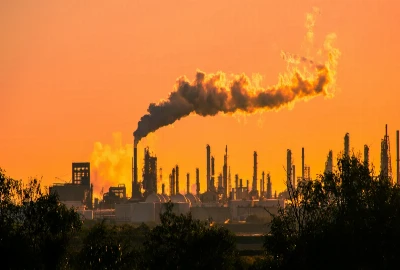
Hotels consume water and energy. Transportation produces emissions. Attractions generate waste. Tourism construction can affect land and ecosystems.
Tourism Impact Intelligence Systems can track these pressures over time.
Important indicators may include energy consumption, water use, waste generation, transportation emissions, land-use change, and environmental quality.
Monitoring these indicators alongside visitor numbers can help identify whether tourism growth is increasing environmental pressure.
Protecting Biodiversity and Natural Assets
Natural environments are important tourism resources, but tourism activity can also affect them.
Popular beaches, forests, mountains, wetlands, wildlife areas, and marine ecosystems may experience pressure from visitor activity.
Long-term monitoring can help identify changes in ecosystem conditions.
For example, a destination might track visitor numbers in a protected area alongside vegetation health, wildlife observations, erosion levels, or water quality.
This can help destination managers understand whether tourism activity is compatible with environmental conditions.
Measuring Resource Efficiency
Impact intelligence can also measure whether tourism businesses are becoming more resource efficient.
Water-efficient hotels may reduce consumption even as visitor numbers increase. Renewable energy systems may reduce dependence on conventional electricity. Recycling and waste-reduction programs may reduce landfill waste.
This is important because tourism growth does not automatically have to produce proportional increases in environmental pressure.
Measuring resource efficiency helps destinations identify which strategies are producing positive changes.


Kate McCulley, the voice behind "Adventurous Kate," provides travel advice tailored for women. Her blog encourages safe and adventurous travel for female readers.
Kate McCulley
Prev Post

Next Post