
Tourism Dependency Reduction – Building Diverse Local Economies Beyond Tourism Revenue
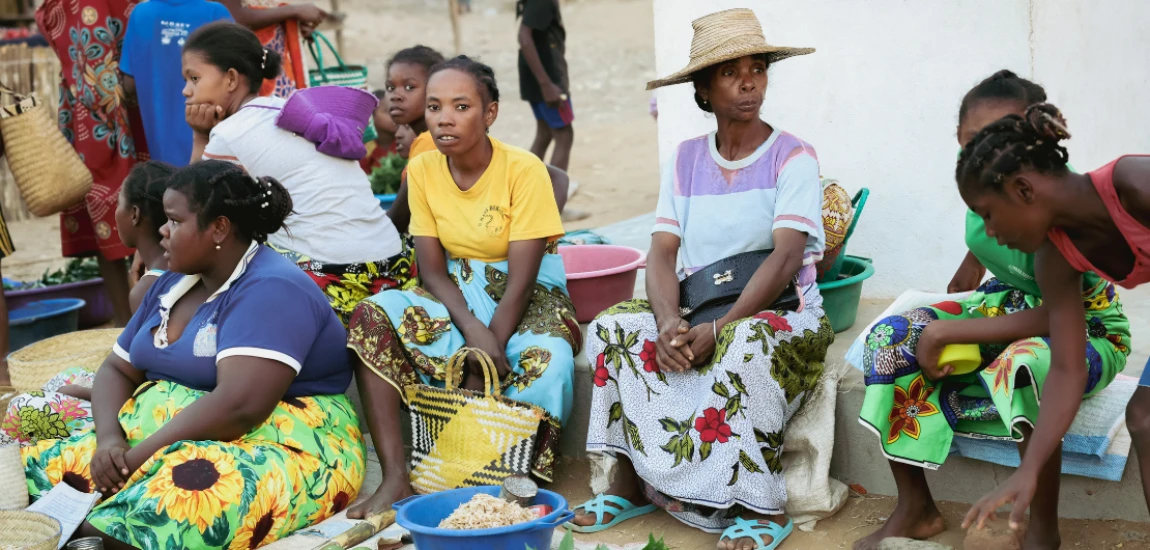
Tourism can be a powerful engine for economic growth, creating jobs, supporting businesses, attracting investment, and generating income for communities. However, when a destination becomes too dependent on tourism revenue, its economy can become vulnerable to unexpected disruptions. Economic downturns, natural disasters, climate change, political instability, health emergencies, changing travel preferences, or transportation disruptions can quickly reduce visitor numbers and affect thousands of businesses and workers.
This is why tourism dependency reduction is becoming an important strategy for destinations seeking long-term economic resilience. Instead of relying heavily on hotels, restaurants, attractions, transportation, and visitor spending, communities can develop a wider range of economic activities.
A diversified local economy may include agriculture, technology, manufacturing, creative industries, education, healthcare, renewable energy, local entrepreneurship, professional services, and remote work. Tourism can remain an important part of the economy without becoming its only foundation.
Understanding Tourism Dependency and Economic Risk

Tourism dependency occurs when a significant share of a destination's employment, business activity, government revenue, or household income comes directly or indirectly from visitors. While tourism can generate substantial economic benefits, excessive dependence creates concentration risk. If tourist arrivals decline, the effects can spread throughout the local economy.
Why Tourism Dependency Can Become a Problem
Tourism demand is influenced by many factors that local communities cannot control. Travelers may cancel trips because of economic uncertainty, extreme weather, safety concerns, changing transportation costs, or global events. A destination that depends heavily on visitors may therefore experience sudden reductions in income.
Tourism businesses are also interconnected. A decline in hotel occupancy can affect restaurants, taxis, tour operators, retailers, attractions, and local suppliers. This creates a multiplier effect in reverse, where reduced visitor spending moves through several parts of the economy.
Building Economic Resilience
Tourism dependency reduction does not mean eliminating tourism. Instead, it means creating a healthier balance between tourism and other economic sectors.
A resilient destination should have multiple sources of employment and income. If tourism experiences a downturn, residents should still have opportunities in other industries. This economic diversity can help communities maintain household incomes, protect local businesses, and continue funding essential public services.
Measuring Dependency
Destinations can begin by measuring how dependent they are on tourism. Useful indicators include tourism's contribution to employment, local tax revenue, business activity, household income, and gross domestic product.
Understanding these indicators allows policymakers to identify vulnerabilities and establish realistic diversification goals.
Supporting Local Industries Beyond Tourism

One of the most effective approaches to reducing tourism dependency is strengthening industries that can operate independently of visitor spending. Local governments and economic development organizations can identify existing industries with growth potential and provide them with targeted support.
Strengthening Agriculture and Food Production
Agriculture can provide an important foundation for diversified rural economies. Destinations can support farmers, food processors, fisheries, and local food businesses through training, financing, infrastructure, and improved market access.
Local food production can also supply hotels and restaurants, creating a relationship between tourism and agriculture without making agriculture completely dependent on tourism.
Developing food processing and packaging businesses can create additional employment and allow communities to sell products beyond their immediate region.
Encouraging Manufacturing and Local Production
Small-scale manufacturing can create stable employment while reducing dependence on visitor spending. Furniture, clothing, construction materials, handicrafts, technology products, and specialized goods can become part of a broader local economic strategy.
Governments can support these businesses through business-friendly regulations, industrial spaces, skills training, financing programs, and infrastructure improvements.
Developing Technology and Professional Services
Technology businesses, consulting firms, financial services, digital agencies, and remote-work companies can generate income from customers outside the destination.
This is particularly valuable because these sectors can potentially serve national and international markets without requiring people to physically visit the destination.
Empowering Local Entrepreneurs and Small Businesses

Local entrepreneurship is another major component of tourism dependency reduction. Small businesses can diversify an economy by creating new products, services, jobs, and sources of income.
Improving Access to Finance
Many entrepreneurs have good ideas but lack access to affordable financing. Local development programs can provide microloans, startup grants, business incubators, or financing guarantees to help new businesses get started.
Financial support should not focus only on tourism businesses. Programs can prioritize agriculture, technology, manufacturing, education, healthcare, creative industries, and other sectors with long-term growth potential.
Developing Business and Digital Skills
Entrepreneurs need more than financial resources. Training in accounting, marketing, e-commerce, digital tools, customer management, and strategic planning can improve business survival rates.
Digital platforms can also help small businesses reach customers outside their local market. A local producer, designer, consultant, or crafts business can potentially sell products and services nationally or internationally.
Creating Strong Local Business Networks
Entrepreneurs benefit when they collaborate rather than operate independently. Business associations, innovation hubs, cooperatives, and local enterprise networks can connect entrepreneurs with suppliers, investors, educational institutions, and customers.
These networks can create stronger economic ecosystems and encourage innovation across multiple industries.
Investing in Skills, Education, and Workforce Development

Economic diversification cannot succeed without people who have the skills required by emerging industries. Destinations therefore need to connect education and workforce development with their long-term economic goals.
Preparing Workers for Multiple Industries
Tourism workers often develop valuable skills such as communication, customer service, organization, sales, and problem-solving. These skills can be transferred into healthcare, retail, administration, education, professional services, and other industries.
Retraining programs can help workers transition between sectors when tourism demand changes.
Connecting Education With Local Economic Needs
Schools, colleges, universities, and vocational institutions can work with businesses to identify future skill requirements. Programs can then be developed around technology, renewable energy, agriculture, manufacturing, healthcare, construction, and other growth areas.
Internships and apprenticeships can provide young people with practical experience while helping businesses develop future employees.
Encouraging Remote and Digital Employment
Remote work offers destinations another opportunity to diversify household income. Reliable internet infrastructure, coworking spaces, digital training, and technology education can help residents work for companies located elsewhere.
This creates an economic connection to external markets without requiring tourism activity.


Gary Arndt operates "Everything Everywhere," a blog focusing on worldwide travel. An award-winning photographer, Gary shares stunning visuals alongside his travel tales.
Gary Arndt

Prev Post

Next Post