
Thermal Tourism: The Growing Science and Culture of Heat, Water, and Wellness Travel
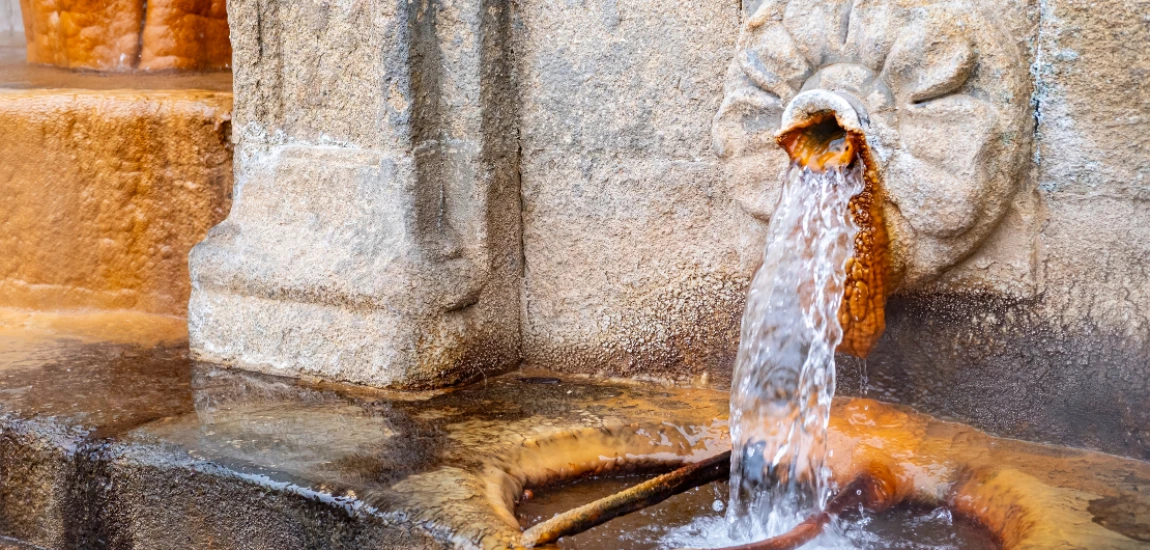
Travel has always been about more than sightseeing. For centuries, people have traveled to places where naturally heated water emerges from beneath the earth, seeking relaxation, social connection, cultural experiences, and a break from everyday routines.
Today, that tradition is experiencing a modern revival.
Thermal tourism brings together natural hot springs, mineral waters, thermal pools, saunas, steam rooms, wellness retreats, and bathing traditions. It sits at the intersection of tourism, culture, nature, hospitality, and wellness.
Modern travelers are increasingly interested in experiences that help them slow down. Instead of filling every holiday with attractions and activities, many are looking for restorative journeys where the destination itself encourages relaxation.
Thermal destinations can provide exactly that.
From geothermal landscapes and historic bathhouses to contemporary thermal resorts and traditional sauna cultures, heat and water have become powerful attractions in the global wellness travel industry.
Understanding Thermal Tourism and Its Growing Popularity

What Is Thermal Tourism?
Thermal tourism refers to travel motivated partly or primarily by experiences involving naturally heated or mineral-rich waters, thermal facilities, bathing traditions, and heat-based wellness activities.
These experiences can range from soaking in a natural hot spring to visiting a historic thermal bath, staying at a wellness resort, enjoying a sauna circuit, or exploring a geothermal region.
Some destinations have developed entire tourism economies around thermal resources.
Thermal tourism is particularly interesting because it combines several travel motivations. A visitor might travel to a geothermal destination because of its natural landscape, but the thermal experience becomes an important part of the journey. Another traveler may choose a spa resort primarily for relaxation but discover local history and traditions through the experience.
This creates a form of travel that is both experiential and place-based.
Why Travelers Are Seeking Slower Wellness Experiences
Modern travel can sometimes feel exhausting. Airports, crowded attractions, packed itineraries, traffic, and constant digital communication can make vacations feel like another demanding schedule.
Thermal travel offers a different rhythm.
A traveler may spend several hours moving slowly between pools, resting in a quiet thermal environment, enjoying a sauna, or simply sitting near naturally heated water.
This slower pace aligns with the growing interest in wellness tourism.
Travelers increasingly want holidays that allow them to return home feeling refreshed rather than overwhelmed.
Thermal destinations can provide an environment where relaxation is not an afterthought. It is the central activity.
The Appeal of Heat and Water
Heat and water have a powerful sensory quality.
Warm water creates a distinct physical experience. Steam changes the atmosphere. Mineral springs often have unusual colors, textures, or smells. Geothermal landscapes can make visitors feel connected to processes occurring deep beneath the earth.
This sensory dimension distinguishes thermal tourism from conventional sightseeing.
Visitors are not simply looking at a landmark. They are experiencing temperature, water, sound, atmosphere, landscape, and sometimes local rituals.
That combination makes thermal tourism particularly attractive to travelers seeking immersive wellness experiences.
The Science Behind Heat, Water, and Wellness Travel

Understanding Thermal Environments
The attraction of thermal tourism is partly cultural and experiential, but science also plays an important role in understanding how heat and water affect the body.
Warm-water immersion can create physical sensations associated with relaxation, while heat exposure from saunas and steam environments produces physiological responses such as sweating and increased circulation.
However, individual responses vary considerably.
Thermal experiences should therefore not be viewed as guaranteed medical treatments. Travelers should understand that wellness tourism is different from medical care and that claims about specific health outcomes should be evaluated carefully.
The safest approach is to treat thermal bathing primarily as a wellness and leisure experience unless a qualified healthcare professional recommends otherwise.
Mineral-Rich Water and the Thermal Experience
Many thermal destinations promote mineral-rich waters containing naturally occurring substances such as sulfur, calcium, magnesium, or bicarbonate.
The mineral composition of water varies dramatically from one geothermal source to another.
This variation contributes to the distinct identity of different thermal destinations.
For travelers, the mineral profile can be an interesting part of the experience, particularly when local bathing traditions have developed around the properties of the water.
However, marketing claims should be approached thoughtfully. The presence of minerals does not automatically mean that a particular spring can treat a medical condition.
Heat, Relaxation, and the Modern Wellness Lifestyle
Heat-based experiences have become increasingly popular within wellness culture.
Saunas, steam rooms, hot pools, warm baths, and thermal circuits can all create opportunities to slow down.
For many travelers, the greatest value is psychological rather than medical: stepping away from screens, sitting quietly, breathing slowly, and allowing time for rest.
Thermal tourism can therefore fit naturally into modern wellness travel without requiring complicated programs.
A simple thermal experience can become a ritual of rest.
Travelers should nevertheless follow facility guidance, stay hydrated, avoid excessive heat exposure, and leave the thermal environment if they feel dizzy, unwell, or uncomfortable.
The Cultural History of Thermal Bathing

Ancient Traditions of Thermal Travel
Thermal tourism may look like a modern wellness trend, but traveling for bathing experiences is centuries old.
Ancient societies developed sophisticated bathing cultures around naturally heated water. Public baths became places for relaxation, social interaction, hygiene, and cultural life.
In some regions, thermal sites developed into important centers where people gathered not only to bathe but also to communicate, eat, exercise, and socialize.
This history shows that thermal bathing has never been purely about physical relaxation.
It has also been a social and cultural activity.
European Spa and Bathing Traditions
Europe has many destinations where thermal bathing became closely associated with health resorts, architecture, hospitality, and leisure.
Historic thermal towns often feature grand bathhouses, promenades, gardens, hotels, and cultural institutions.
The spa town itself became the destination.
Travelers could spend days or weeks visiting thermal facilities while enjoying concerts, restaurants, parks, and social events.
This tradition continues today, although modern thermal resorts often combine historic practices with contemporary wellness facilities.
Traditional Sauna and Heat Cultures
Heat-based wellness is not limited to hot springs.
Sauna traditions have developed in several cultures, with different customs surrounding heat, cooling, relaxation, and social interaction.
These traditions demonstrate that thermal wellness can take many forms.
A modern traveler can learn about local sauna etiquette, bathing rituals, architecture, and cultural history rather than treating the sauna simply as a generic wellness facility.
Understanding the cultural context can make a thermal holiday more meaningful.
The Rise of Modern Thermal Resorts and Wellness Destinations

From Historic Bathhouses to Modern Resorts
Today's thermal tourism industry combines traditional bathing with modern hospitality.
Contemporary thermal resorts may offer multiple pools at different temperatures, saunas, steam rooms, relaxation lounges, gardens, restaurants, fitness facilities, and wellness treatments.
Some properties are built around naturally occurring geothermal resources, while others use heated water systems designed to recreate a thermal experience.
The modern thermal resort is therefore part hotel, part spa, part leisure destination, and sometimes part cultural attraction.
Nature as Part of the Thermal Experience
Some of the world's most memorable thermal destinations are located in dramatic natural environments.
Imagine soaking in warm water while surrounded by mountains, forests, volcanic landscapes, deserts, or snowy scenery.
The contrast between heat and the surrounding environment creates a powerful travel experience.
Winter thermal bathing is a particularly distinctive example. Sitting in warm water while cold air or snow surrounds the pool can make the experience feel extraordinary.
Nature also encourages travelers to slow down and appreciate their surroundings.
Thermal Tourism and Luxury Travel
Thermal wellness has also become increasingly associated with premium travel.
High-end resorts may combine thermal pools with sophisticated architecture, private bathing areas, gourmet dining, wellness treatments, and personalized services.
But thermal tourism does not have to be luxurious.
Public baths, community hot springs, traditional bathhouses, and affordable thermal facilities can provide equally meaningful experiences.
This diversity is important because it allows thermal travel to appeal to different budgets and travel styles.


Shivya Nath authors "The Shooting Star," a blog that covers responsible and off-the-beaten-path travel. She writes about sustainable tourism and community-based experiences.
Shivya Nath

Prev Post

Next Post